
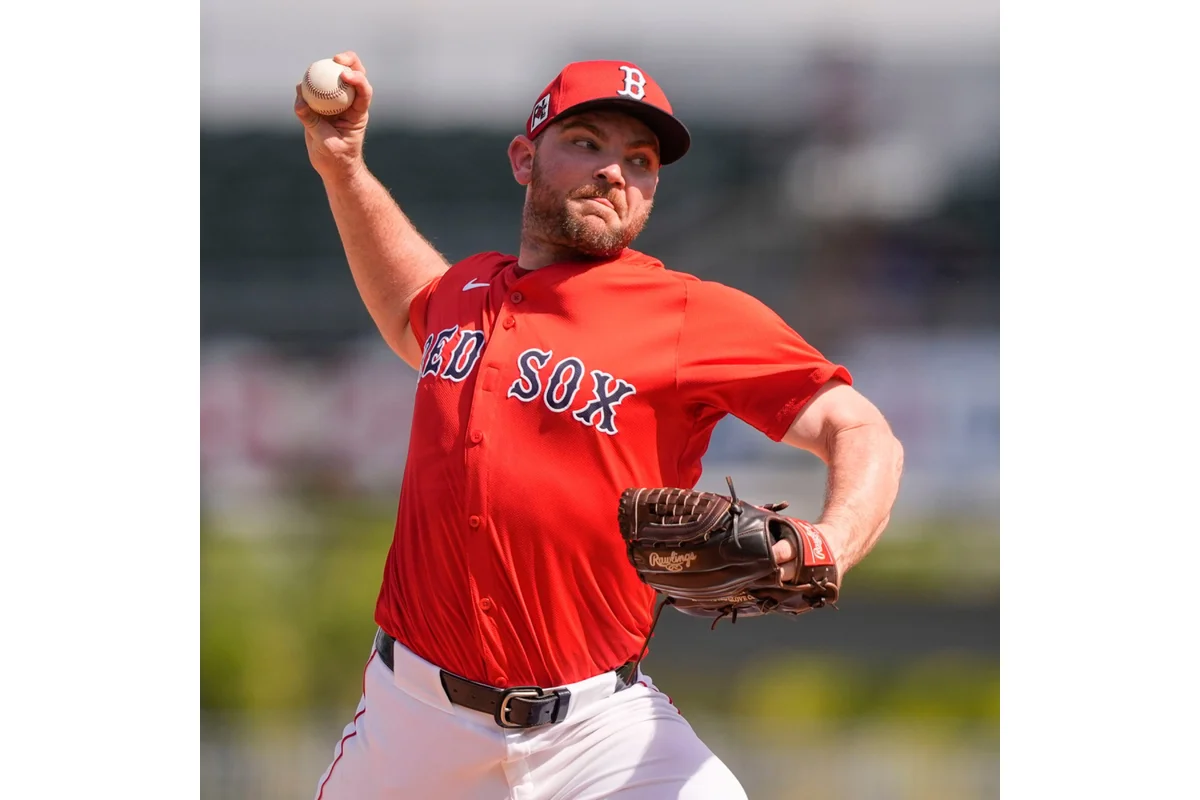
The Minnesota Twins are shaping their bullpen beyond immediate needs heading into the 2026 season by relying on experienced relievers Liam Hendriks and Taylor Rogers to mentor emerging pitchers. The organization is aiming not only to strengthen late-inning performance but also to cultivate young arms who could play pivotal roles for years to come.
Balancing Guidance with Autonomy in Pitcher Development
Taylor Rogers emphasized that veteran relievers are most effective when young pitchers approach them willingly, rather than having mentorship forced upon them.
“That’s usually because the ****’s hitting the fan,”
Rogers observed, noting that receptive players often seek advice in challenging moments. He reflected on his own early career experience, appreciating that no undue pressure was applied when he first arrived in the majors.
This approach of offering support without interfering is poised to be critical this spring, as multiple young pitchers adjust to roles that may change rapidly due to team needs. Derek Shelton, the Twins’ manager, highlighted how the front office prioritized a bullpen construction blending experience and flexibility during the offseason.
Importance of Veteran Presence in the Bullpen Mix
Shelton pointed to the deliberate efforts made in assembling the bullpen group, naming Rogers as a prime example. He also stressed the value of bringing back Hendriks, a familiar figure known for closing games effectively and maintaining strong relationships within the team.
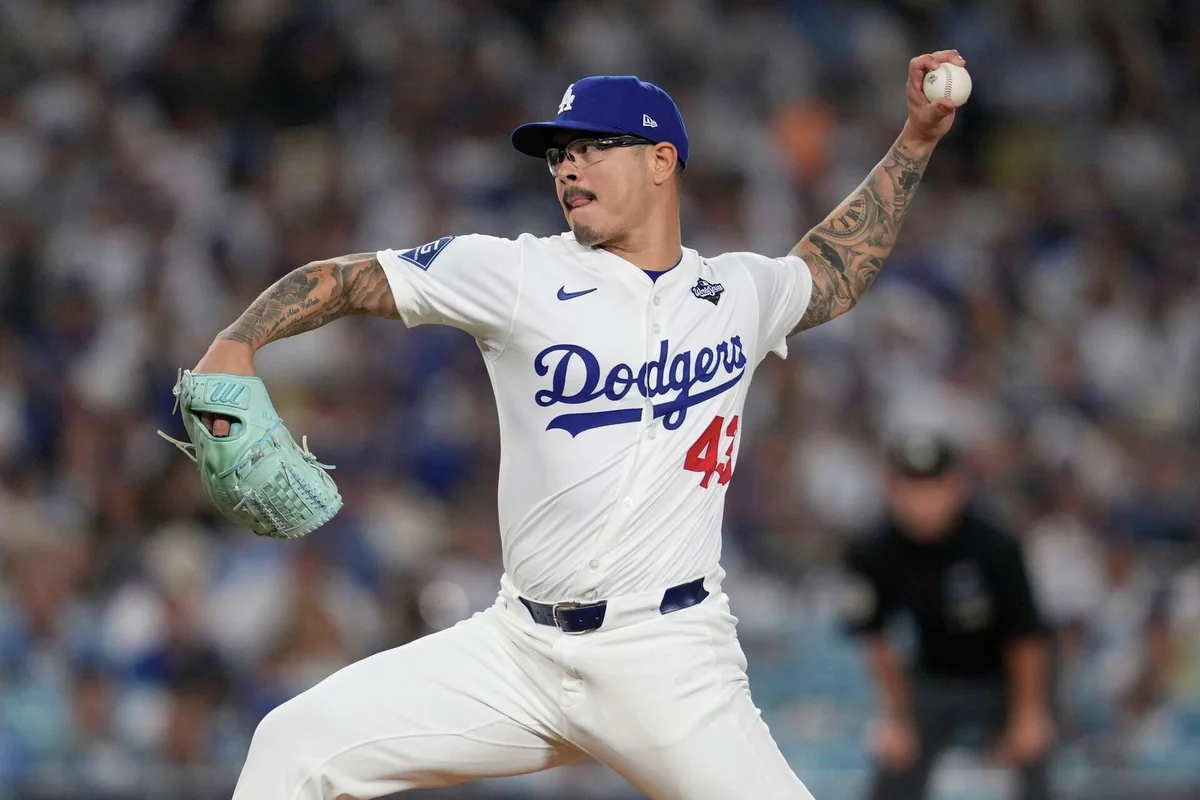
“Yeah, it’s very important how we add people to that group,”
Shelton said, underscoring the significance of careful roster decisions to foster cohesion.
Players Embrace Opportunities Amid Role Fluidity
Veteran reliever Liam Hendriks discussed how adaptability is essential for pitchers, many of whom have transitioned between starting and relieving roles successfully.
“There’s a lot of guys that may not necessarily have been the best starters but turned out to be really good relievers. You want the opportunities, you’ve got to go out there and pitch,”
Hendriks noted, reinforcing the need for performance to secure chances in various roles.
Rising Pitching Talent Navigating Dual Roles
The Twins plan to utilize several young arms in relief roles this spring, including Marco Raya and Travis Adams. Connor Prielipp, one of the organization’s top prospects, is preparing to be a starter but acknowledges that his role could shift. Additionally, pitchers like David Festa, Zebby Matthews, and John Klein may see increased time in the bullpen. The early season rotation could feature a mix of these names alongside Andrew Morris, Kendry Rojas, and Mick Abel, providing depth during a period often affected by weather delays in St. Paul.
Front Office Strategy on Bullpen Development and Long-Term Impact
Jeremy Zoll and the front office recognize that developing relief pitchers rarely follows a straightforward path. They view bullpen assignments as tools to control innings and accelerate readiness for the majors in pitchers without an immediate rotation spot. This developmental philosophy enhances roster flexibility while preparing players for diverse pitching responsibilities.
If successful, the contributions of Hendriks and Rogers will extend beyond individual games; they’ll be remembered for shaping a new generation capable of handling both the mental and physical demands of late-inning pressure. This evolving bullpen model serves as a foundation for Minnesota’s future pitching success.
Building a Bullpen That Prepares for What’s Next
The current vision for the Twins bullpen transcends protecting leads in the short term. It focuses on crafting an adaptable staff ready to meet changing needs as new pitchers emerge. By combining veteran experience with youthful talent, Minnesota aims to ensure that its pitching group remains competitive and resilient for seasons ahead.
