
The Colorado Rockies continue to grapple with significant challenges as they approach the 2026 season, striving to overcome long-standing issues in their rebuild process. Despite persistent efforts over more than a decade, the Rockies have repeatedly found themselves at the bottom of the standings, hindered by ownership decisions and a home ballpark that complicates pitching success.
Last Season’s Outcomes Highlight Persistent Weaknesses
The 2025 campaign ended in familiar fashion for Colorado, finishing last once again with a disappointing 119 losses—just shy of the Chicago White Sox’s 121, the worst in the majors. Their run differential was a dismal -424, reflecting a team outmatched on both sides of the ball, and lacking any true star presence to inspire hope for an immediate turnaround.
Amid the struggles, longtime manager Bud Black was relieved of his duties midseason, replaced on an interim basis by third base coach Warren Schaeffer, who has now secured the full-time managerial position. Despite this leadership change, another last-place finish seems inevitable heading into 2026.
Key Additions and Departures Shaping the Roster
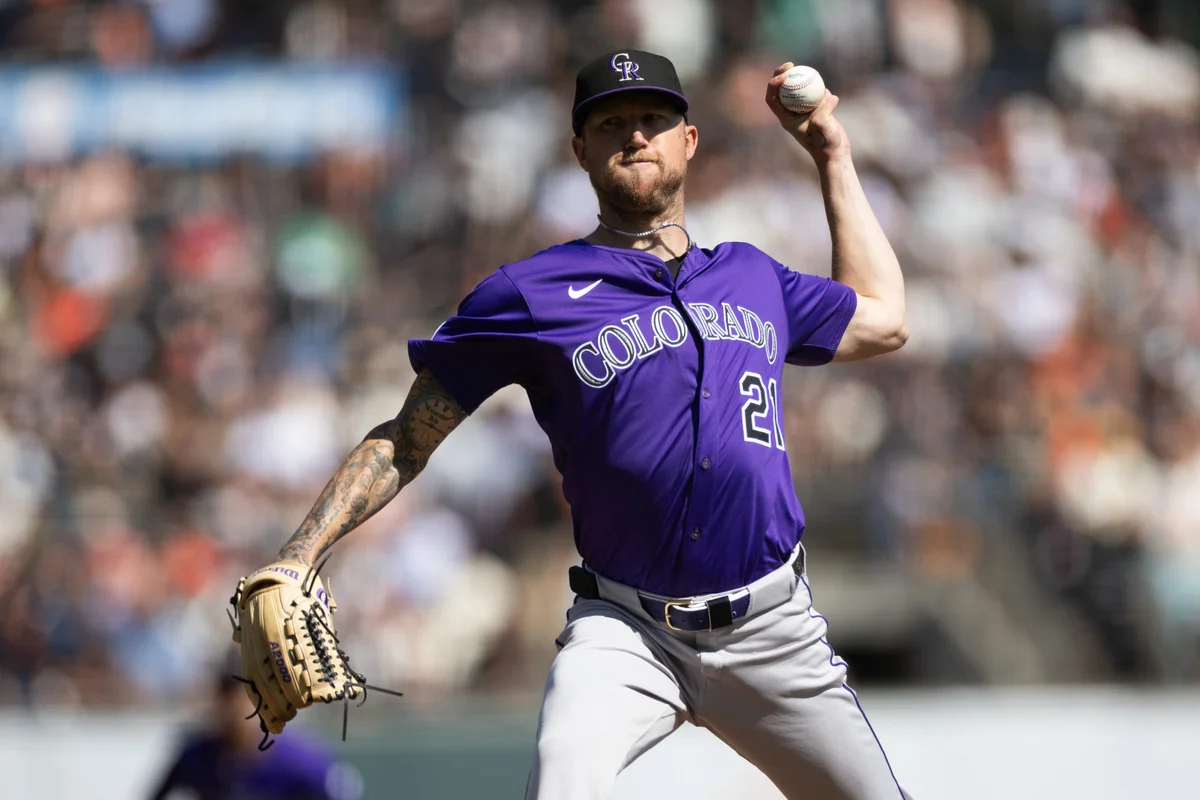
The Rockies’ most notable acquisition heading into 2026 is veteran right-handed pitcher Michael Lorenzen. Signed to a one-year, $8 million contract with an option for 2027, Lorenzen brings experience but also carries concerns due to his fly-ball pitching style, which is particularly risky in the hitter-friendly environment of Coors Field. While his career includes a no-hitter, Lorenzen’s ability to maintain an ERA below five remains doubtful, and there is speculation he could become a trade asset by midseason.
Colorado’s biggest loss last year was infielder Thairo Estrada, who struggled in 2025 with injuries and limited production, hitting .253 with three home runs over 39 games. The team declined his option for 2026, leaving him a free agent. While Estrada’s defense is questionable and age on the rise, his past power numbers provide reason to question whether the Rockies erred in moving on rather than giving him another opportunity, particularly given their thin infield depth. The newcomer Willi Castro, a switch-hitter, is expected to fill some of that void, though it remains to be seen if Castro’s contributions will truly surpass Estrada’s output.
Leadership Changes Offer Glimmers of Hope for the Future
On the organizational front, the arrival of Paul DePodesta as president of baseball operations represents the Rockies’ most promising development. Known for his analytical approach and Moneyball heritage under Billy Beane in Oakland, DePodesta spent nearly a decade in a senior role with the NFL’s Cleveland Browns before joining Colorado. Although his tenure in football was less than stellar, DePodesta’s move to the Rockies signals a potential reset in the way the franchise approaches rebuilding efforts.
His hiring of Josh Byrnes as general manager further indicates a commitment to restructuring. Together, they face the monumental task of revamping a farm system that has so far failed to produce a sustainable pipeline of major league talent.
Major Obstacles Loom Over Colorado’s Prospects
The Rockies’ list of challenges remains extensive. They continue to struggle with developing effective groundball pitchers, which is essential given the high altitude and hitter-friendly conditions at Coors Field that heavily reward fly-ball hitters. The front office’s previous missteps have left a roster barely meeting the major league standard, resembling more of a Triple-A level team than a competitive MLB club.
Long-term injuries add to the woes, most notably with Kris Bryant, who remains on a sizable seven-year, $182 million contract through 2028 despite having only played 170 games in the past four seasons due to a degenerative back injury. Bryant’s condition limits his mobility, and there is no clear timeline for a full return. Outside of Bryant, catcher Hunter Goodman emerged as one of the lineup’s most dependable bats, following a 31-home run season that raised some hopes for future offensive consistency.
Competence and Strategic Revamping Are Essential for Progress
The cure for the Rockies’ extended struggles might be deceptively straightforward: competent management and a focused, well-executed rebuild. While DePodesta and Byrnes may not project the team as ready to contend for a World Series within the next three years, their expertise offers a foundation on which to improve player development and organizational efficiency.
“World Series contender in three years,”
?Paul DePodesta, Colorado Rockies President of Baseball Operations
Expect roster adjustments and “fat-trimming” throughout the 2026 season as the front office evaluates talent and trades players who show potential value. Young players such as Ezequiel Tovar, who may improve plate discipline and power, and Brenton Doyle, known for his defensive prowess in center field, could be central to future plans. Veteran pitcher Jose Quintana might also serve as a valuable piece in trade discussions if he performs well.
Although another last-place finish appears unavoidable, projections are slightly more optimistic this year. DraftKings forecasts the Rockies to win approximately 53.5 games in 2026, an improvement over the 43 victories posted in 2025, suggesting a modest but noticeable step forward.
What Lies Ahead for the Rockies in 2026 and Beyond
The Colorado Rockies face a daunting uphill climb as they attempt to rebuild amid systemic issues related to roster talent, player development, and front office direction. The leadership of Paul DePodesta and Josh Byrnes creates cautious optimism, yet a full turnaround will require time, patience, and significant organizational overhaul.
For fans enduring another tough season, the hope lies in seeing young players grow and new strategies take hold, ultimately leading to a more competitive Rockies team. Until then, the Rockies’ 2026 season is likely to be another lesson in the difficulties of rebuilding within challenging structural conditions like Coors Field and a broken farm system.
