
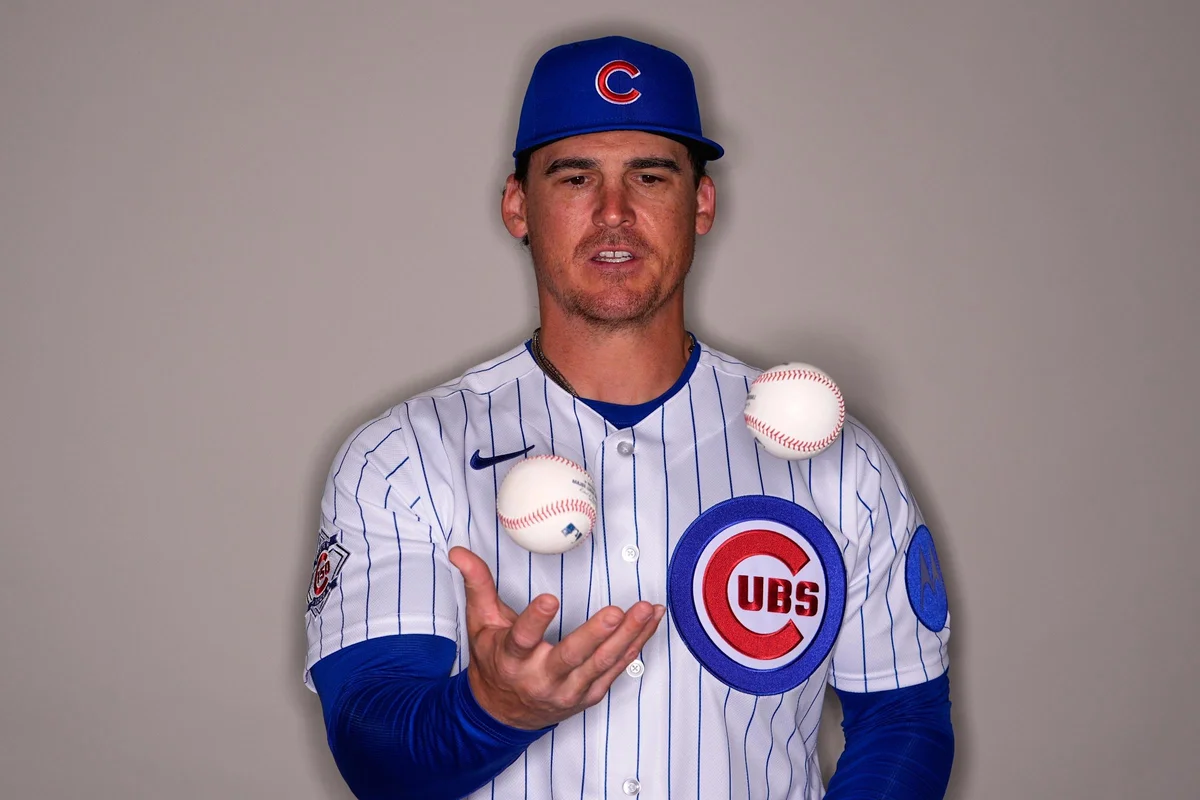
The Chicago Cubs’ 2026 roster plans heavily depend on Matt Shaw’s adaptability as a utility player, making him a vital figure for the team’s composition. Alongside Shaw, Moises Ballesteros also emerges as a key contributor potentially filling multiple roles off the bench, both expected to support the lineup’s depth and flexibility.
Adapting to New Positions: Shaw’s Expanded Defensive Responsibilities
Matt Shaw’s pathway to regular playing time has not been straightforward. Initially projected for second base to mitigate concerns about his throwing arm, Shaw was ultimately placed at third base after Isaac Paredes was traded to the Houston Astros for Kyle Tucker. His defense at third base quickly became a bright spot, with Shaw distinguishing himself as one of the best in the league at the hot corner.
Offensively, Shaw faced challenges early on. His hitting was erratic enough that he began the previous season in the minors before returning in May. However, his improved second-half statistics, including a .258 batting average with a .317 on-base percentage and a .522 slugging percentage after the All-Star break, brought optimism his offensive struggles were behind him.
Looking ahead, Shaw’s role is evolving again as the Cubs plan to introduce outfield duties to his defensive mix for the first time in his professional career. This move aims to maximize his athleticism and secure him more consistent playing time, but it also demands that he become at least competent in the outfield while covering second base, shortstop, and third base as needed. Simultaneously, maintaining and building on his improved hitting will be crucial for Shaw to succeed in this multifaceted role.
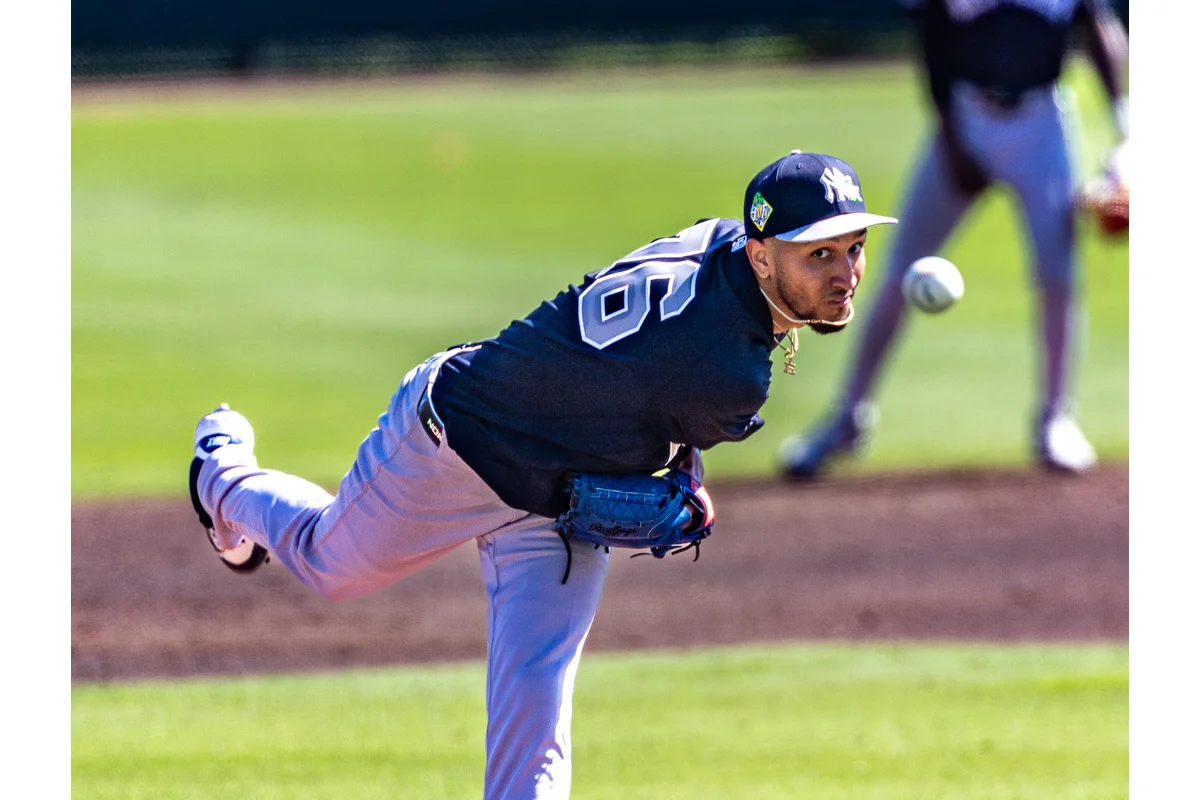
Ballesteros’ Versatility and Offensive Potential Under Scrutiny
Moises Ballesteros faces his own set of challenges as he competes for the role of regular designated hitter with spot duty catching and playing first base. A 22-year-old prospect, he has minor league experience at these positions but must prove he can perform at the major league level. In limited major league appearances last season, Ballesteros showed offensive promise, posting a .298 batting average with a .394 on-base percentage and a .474 slugging percentage over 20 games.
Despite his promising bat, Ballesteros must still address defensive concerns behind the plate. Past minor league struggles with passed balls and inconsistent throw-outs of baserunners raise doubts about his ability to handle catching responsibilities routinely. Moreover, his delayed arrival at spring training due to visa complications has complicated the Cubs’ initial plan to integrate him gradually, adding pressure to his preparation and performance.
Limited Alternatives Elevate Pressure on Cubs’ Young Core
The Cubs’ reliance on Shaw and Ballesteros to fill these critical utility roles is intensified by a lack of proven veteran depth within the roster. Few experienced players are available to challenge Shaw for the utility infielder spot, and outside of Ballesteros, the options available for designated hitter and outfield roles include players like Michael Conforto and Chas McCormick—both viewed as reclamation projects rather than established solutions.
This scarcity of secure alternatives means that if either Shaw or Ballesteros falters, the Cubs will struggle to find internal replacements capable of maintaining the team’s competitiveness. The burden on these young players to perform consistently and adapt swiftly is heavy, highlighting the unpredictability facing the Cubs as the 2026 season approaches.
Implications for the Cubs’ 2026 Season Outlook
The performances of Matt Shaw and Moises Ballesteros could well determine how effectively the Chicago Cubs manage roster versatility and balance during the upcoming season. Their ability to successfully adjust to unfamiliar positions, while sustaining or improving their offensive contributions, will influence the team’s flexibility and resilience in a demanding National League environment. For the Cubs, their development is not just about individual progress but also about filling key gaps in the lineup that veteran players currently cannot cover.
With limited margin for error, both Shaw and Ballesteros must handle this important transitional phase with maturity and growth. The Cubs’ front office and fans alike will be watching closely as these youngsters are tasked with stepping into significant roles that could shape the club’s competitive trajectory in 2026 and beyond.
A few notes from Craig Counsell’s media session 🧵
Counsell discussed taking it slow with Moises Ballesteros, who arrived to camp late because visa issues. Said it’s “unfortunate how it all goes down” but “he’s here and it’s February 22 so we got plenty of time.”
— Off The Ivy Podcast (@OffTheIvy312) February 22, 2026
