
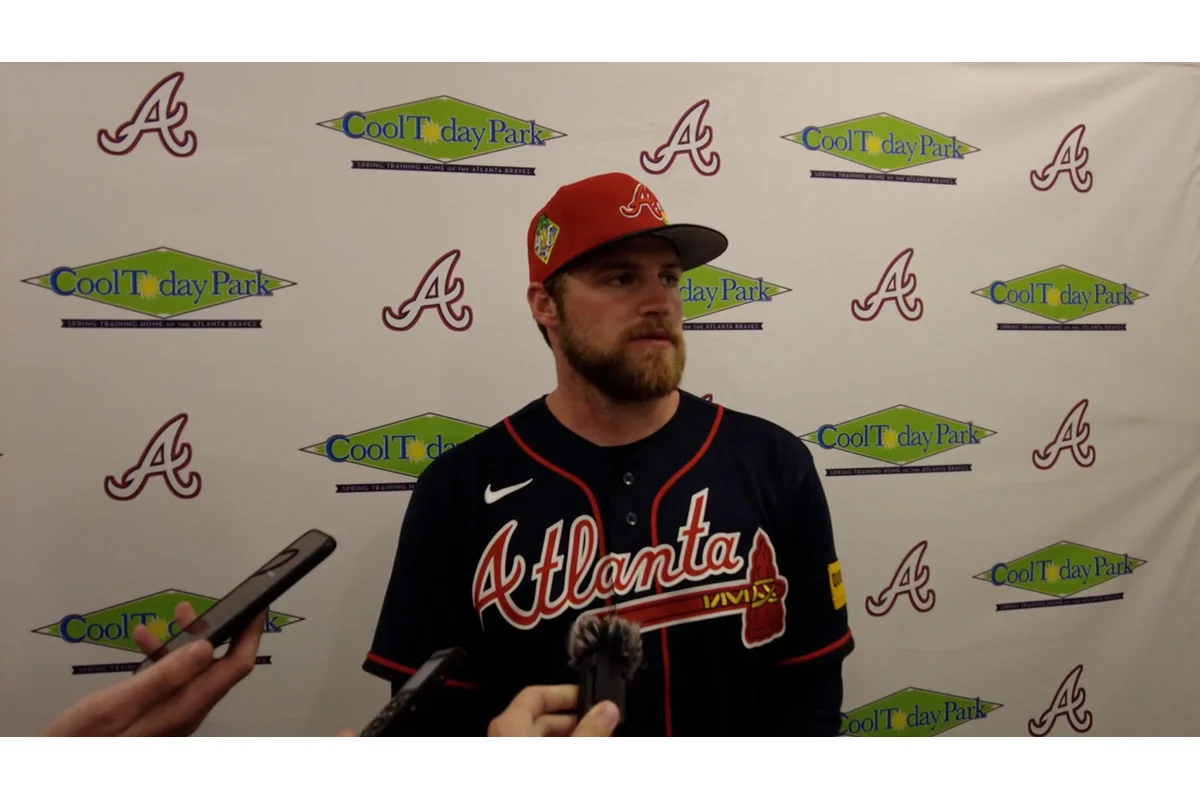
The Atlanta Braves face an increasingly uncertain situation for their starting rotation heading into the 2026 season after injuries to Spencer Strider and Hurston Waldrep. Bryce Elder has become the leading candidate to fill the fifth starter spot, a development few fans anticipated in late February. With competition from Joey Wentz, non-roster invitees Martin Perez and Carlos Carrasco, and prospects like JR Ritchie and Didier Fuentes likely to start in Triple-A, the Braves appear to be leaning heavily on Elder despite mixed feelings inside the organization. This decision to rely on Bryce Elder Braves pitching leaves some questioning the overall risk involved.
Promising Signs Tempered by Past Performance and Skepticism
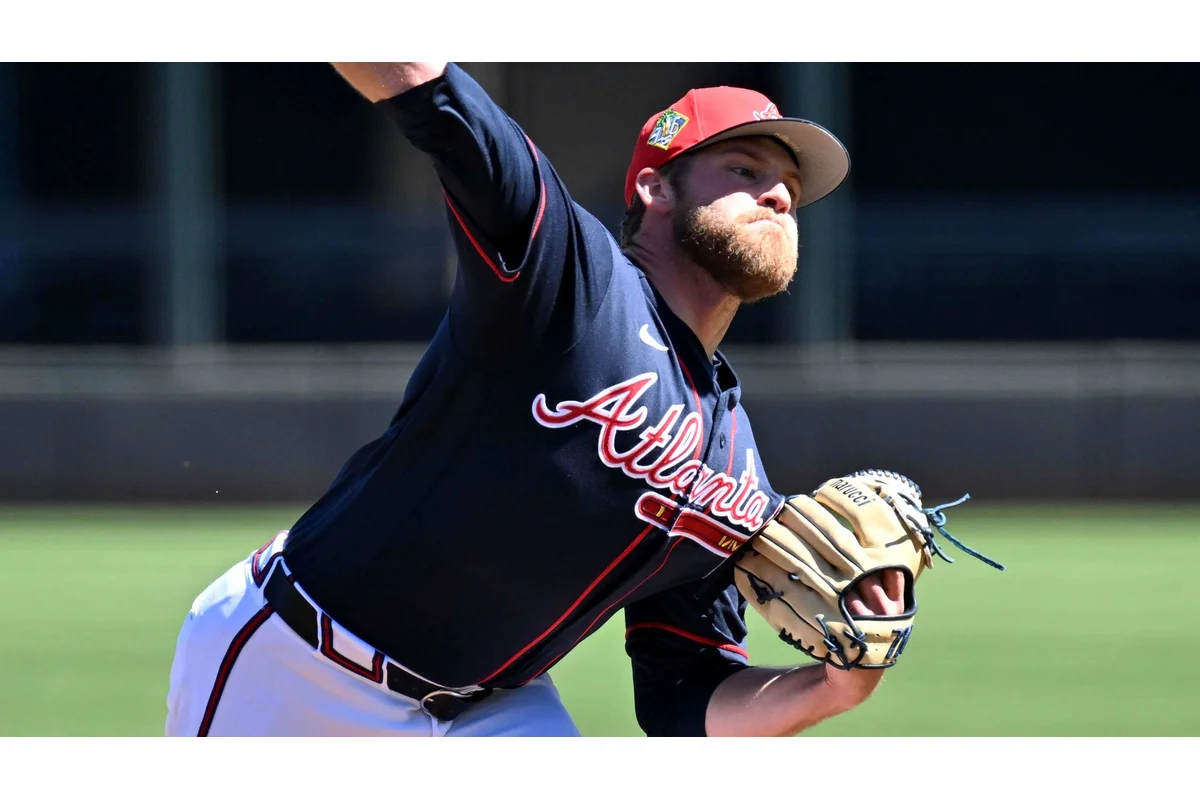
Despite growing optimism around Bryce Elder’s late 2025 form, hesitancy remains. Over his last seven starts in 2025, Elder posted a 2.82 ERA, thanks in part to an increased four-seam fastball velocity from 91.5 mph in 2024 to 93.7 mph, a change attributed to a consultation with biomechanics expert Bob Keyes. This uptick raises hopes about his future potential as a starter. However, these recent improvements contrast with his overall numbers, including a 5.47 ERA since mid-2023 and a combined negative WAR (-1.1) over two seasons, reflecting ongoing inconsistency and underlying concerns.
Internal Division: Confidence Versus Caution Within the Braves Organization
Sources close to the Braves and reporting from beat writer Mark Bowman reveal a split in attitudes toward Elder’s readiness for a major role. While some embrace his recent progress and believe he can contribute meaningfully, others warn of placing too much faith in recent gains, highlighting Elder’s prior struggles. The risk of recency bias looms large—there is caution that the velocity gains and late-season form may not signal a lasting breakthrough but rather a temporary improvement that could give way to familiar challenges.
Criticism and Doubts from Analysts Highlight the Stakes
Analysts outside the team also express concern regarding the decision to rely on Elder. Scott Coleman pointedly criticized the Braves’ approach, saying,
“Bryce Elder has a 5.47 ERA since the middle of 2023. The idea you don’t need a starter because he’s out of options is mind numbing”
—Scott Coleman (@scottcoleman55) February 2, 2026. This critique underscores wider unease that Elder’s lack of a proven track record could jeopardize Atlanta’s rotation stability early in the season.
Implications for Braves’ Season Outlook
The Braves’ strategy to entrust a starting role to Bryce Elder reflects an uneasy gamble sparked by injuries and limited alternatives. While the velocity increase and late-season improvement offer some hope, the risk remains that this bet could backfire, exposing the rotation to inconsistency and undermining the team’s competitiveness. How Elder performs in spring training and early games will be critical in determining if Atlanta’s faith is rewarded or if further moves will become necessary to stabilize the pitching staff. Ultimately, the Braves confront a pivotal moment in their roster management that will influence their prospects for success throughout 2026.
Bryce Elder has a 5.47 ERA since the middle of 2023. The idea you don’t need a starter because he’s out of options is mind numbing
— Scott Coleman (@scottcoleman55) February 2, 2026
