
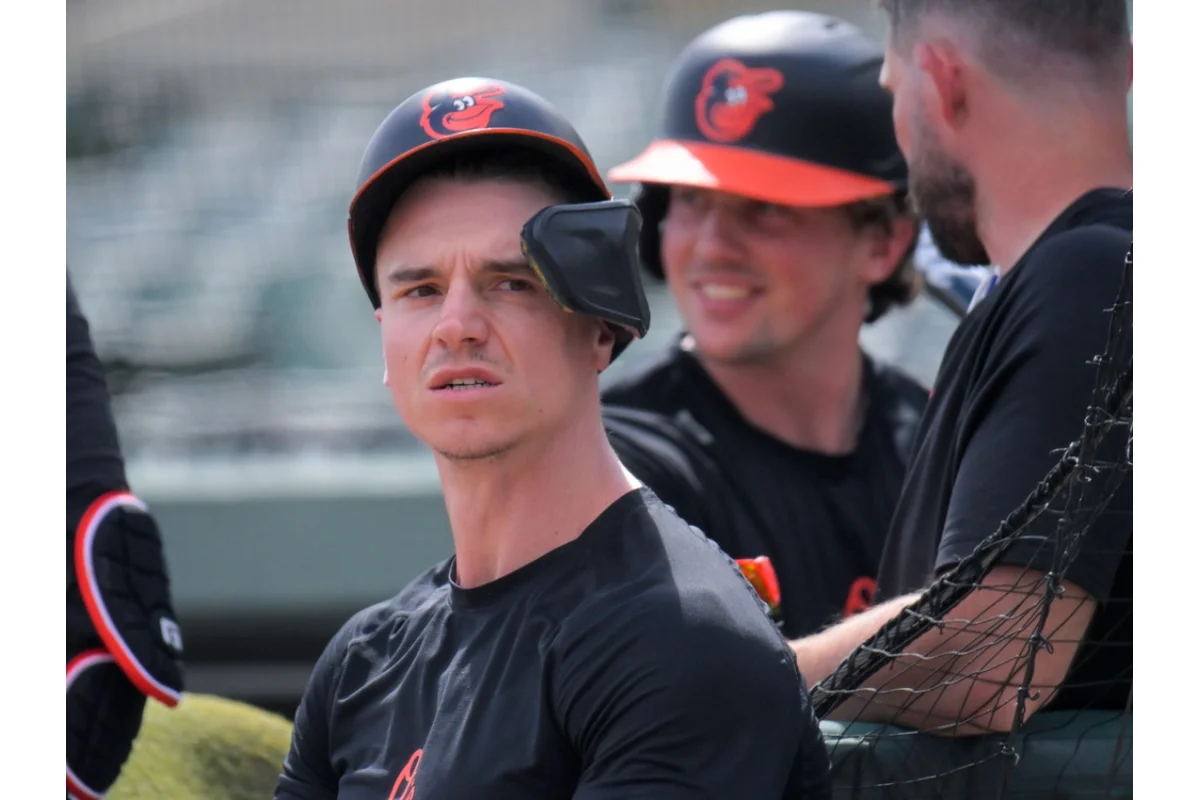
Mike Elias, the Baltimore Orioles‘ executive vice president of baseball operations, recently praised Pete Alonso’s influential role during spring training, noting how the new acquisition has supported the team’s younger players and prospects. Speaking with Ken Rosenthal for The Athletic, Elias reflected on the team’s position-player group and the value of having a seasoned veteran from outside the Orioles’ system to help guide the rebuilding squad. This comment implicitly spotlighted the absence of such leadership within the current roster, indirectly referencing last offseason’s notable addition, Tyler O’Neill.
The Implications Behind Elias’ Remarks on Veteran Influence
While Elias might not have intended to criticize O’Neill directly, his statement closely mirrors O’Neill’s profile. O’Neill arrived from another organization, boasts multiple Gold Gloves, and finished in the top 10 for the MVP award. He was not a product of the Orioles’ draft or development system, aligning with the characteristics Elias described in his ideal veteran leader. However, O’Neill did not assume a prominent leadership role or absorb much attention within the team, leading to the perception that he fell short of expectations in guiding the Orioles’ core group.
Essentially, Elias described the qualities O’Neill possesses but remarked it would have been beneficial for the Orioles to have someone embodying that type of presence. This creates a difficult interpretation of O’Neill’s tenure from Elias’ perspective.
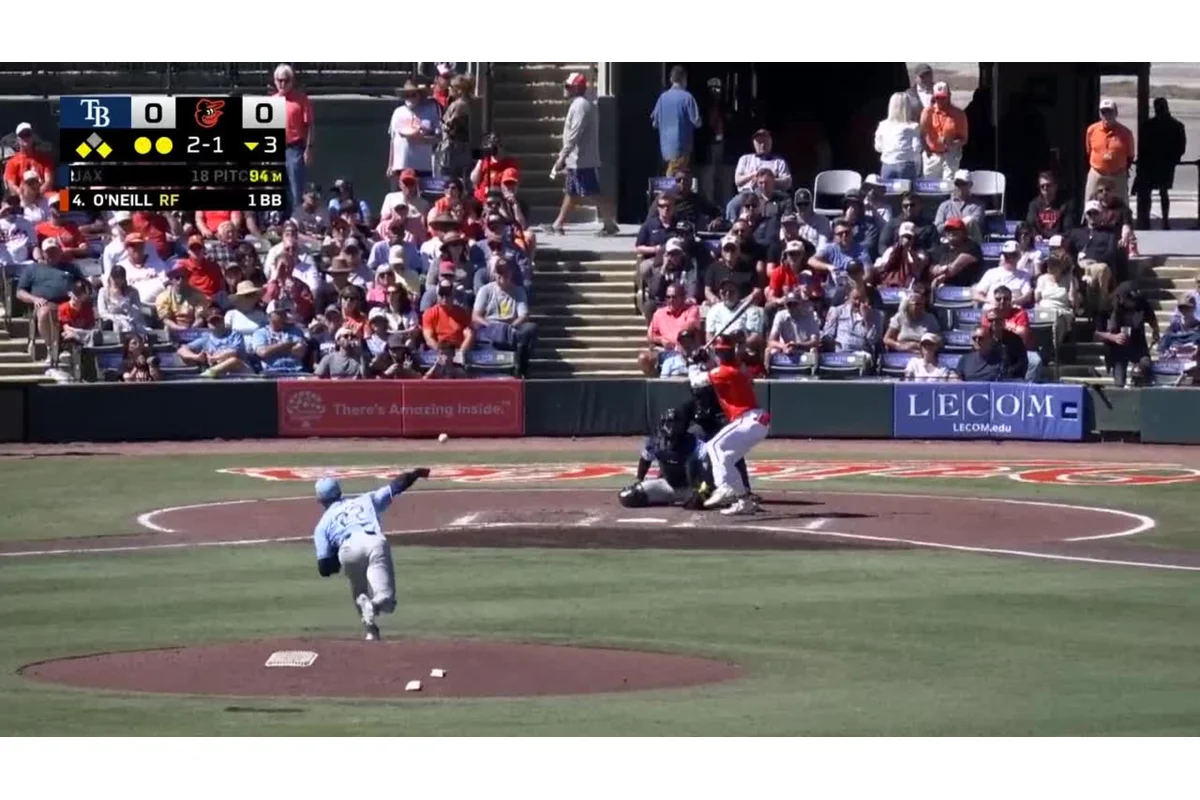
Two Perspectives on Elias’ Subtle Critique of O’Neill’s Leadership
There are two possible readings of Elias’ statement regarding O’Neill. The first is that Elias may have doubted O’Neill’s capacity to be a true veteran leader upon signing him. Alternatively, Elias might have had faith in O’Neill’s leadership potential but felt compelled to sign another veteran to a costly contract after O’Neill’s leadership did not materialize as hoped. Either scenario underscores a significant challenge for the Orioles and their veteran leadership strategy.
This subtle critique of O’Neill raises important questions about the Orioles’ direction and the effectiveness of their recent offseason moves, particularly given the expectations attached to O’Neill’s role on the team.
A Chance for Redemption and Its Potential Impact on the Orioles
For the Orioles, the best outcome would be if O’Neill uses the criticism and ongoing fan frustration as motivation to elevate his performance. When at his peak, O’Neill justifies the three-year, $50 million contract he signed, but consistency has been an ongoing issue. Last season arguably represented his lowest point, intensifying doubts within the Orioles’ community about his value to the team.
Should O’Neill manage to stay healthy, play at least 140 games, and produce over 30 home runs, his contract would be vindicated and provide a crucial boost to the Orioles’ ambitions. Such a turnaround could redefine perceptions about the signing and bolster the team’s leadership and competitive edge heading into the future.
