
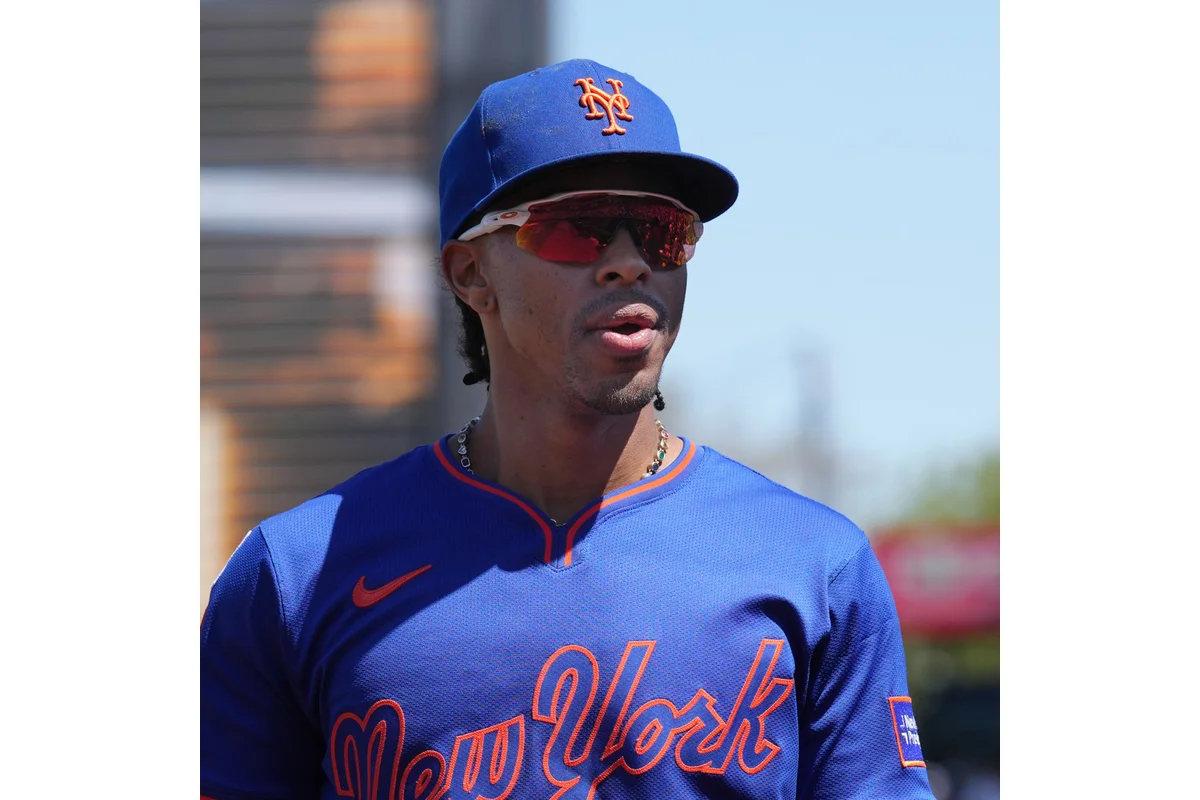
The 2026 World Baseball Classic (WBC) features many of baseball’s biggest stars, yet several prominent players, including Francisco Lindor and Mike Trout, will not participate. This exclusion stems largely from insurance-related complications, a consequence of prior injuries and stringent policies designed to protect MLB teams.
These insurance constraints arose following injuries to Edwin Diaz and Jose Altuve during the previous WBC in 2023, leading to tighter restrictions on player eligibility for this international event. Consequently, some national teams face significant challenges assembling their strongest rosters due to these requirements.
How Insurance Requirements Shape Player Participation in the WBC
Major League Baseball mandates that players on 40-man rosters must either secure an insurance policy or obtain team approval to compete without one in the World Baseball Classic. These policies are managed by National Financial Partners, which evaluates each player’s injury risk as low, moderate, or chronic based on recent injury history.
Criteria that can categorize a player as chronic include spending at least 60 days on the injured list during the previous season, missing two of the team’s final three games in that year, having undergone two or more surgeries in their career, or having surgery the preceding season. While many players fit these definitions, some still qualify for insurance coverage, as seen with Minnesota Twins outfielder Byron Buxton, who remains on the USA roster despite multiple knee surgeries.
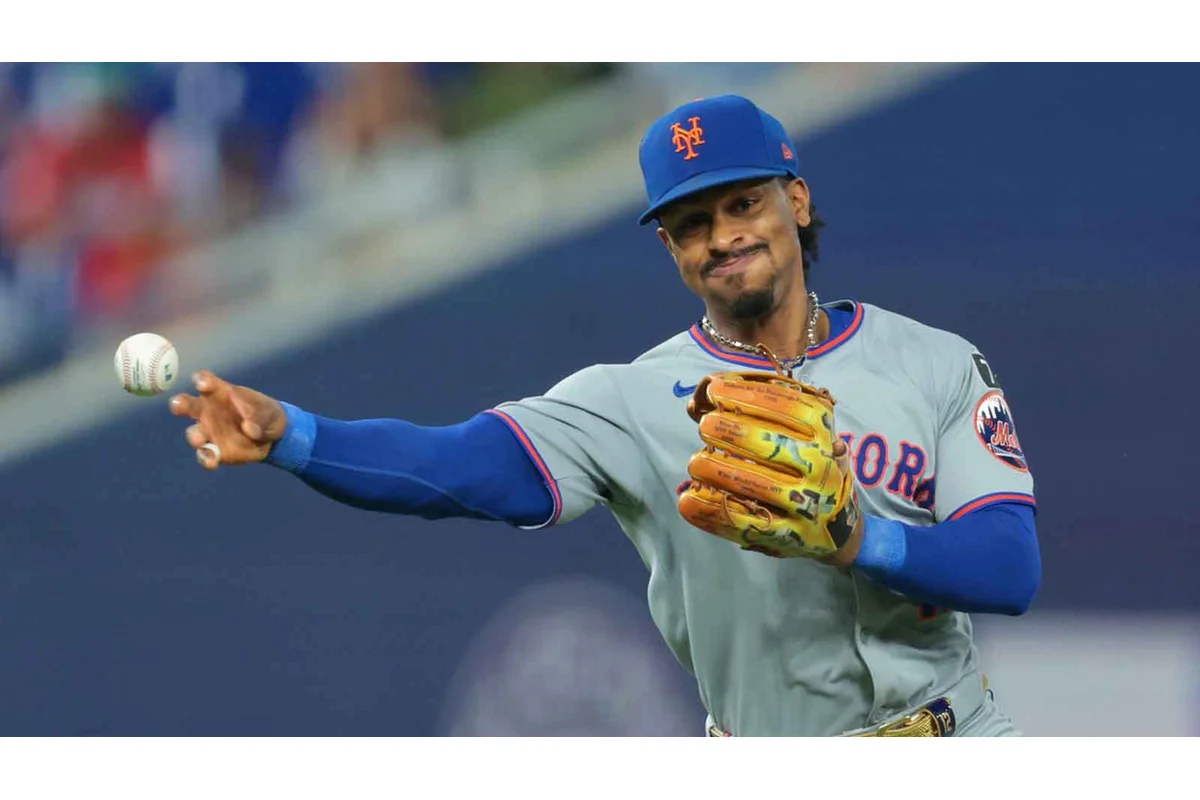
In addition to injury history, the insurance policies refuse coverage for players who are 37 years of age or older, which excludes veterans like Los Angeles Dodgers infielder Miguel Rojas, who was denied participation with Venezuela after reaching that age threshold in February.
Disparities and Controversies Around Insurance Coverage Across Countries
Some Latin American players and teams have expressed frustration that insurance denials disproportionately affect their countries. Miguel Rojas highlighted this disparity, questioning why Latin American countries face more obstacles in obtaining insurance compared to nations like the United States or Japan.
My only question is, why is it just with our countries, like Venezuela, Puerto Rico, a couple of Dominican players? I don’t see that happening with the United States or happening with Japan,
Miguel Rojas, Venezuelan infielder
In addition, former Dodgers ace Clayton Kershaw, who withdrew from the 2023 event due to insurance denial stemming from his injury history, is now able to play because he is no longer under an MLB contract. However, Mike Trout remains barred from participation for the 2026 WBC due to his extensive injury record, despite being a potential key player for Team USA.
Financial Barriers and External Attempts to Cover Insurance Costs
Efforts have been made to bypass insurance restrictions; for example, music superstar Bad Bunny offered to pay Carlos Correa’s insurance costs so the Houston Astros shortstop could represent Puerto Rico. However, MLB, Correa’s team, and his agent Scott Boras discouraged this possibility, underscoring the strict regulatory stance regarding insurance for the tournament.
Understanding the Role of Insurance in Protecting MLB Teams
The insurance policies required for WBC participation primarily shield MLB teams from financial risks related to player injuries. Since MLB contracts are fully guaranteed, players do not lose their salaries if injured during the WBC. Instead, insurance coverage compensates teams if a player on their roster sustains an injury while playing in the tournament, helping offset ongoing salary payments during the player’s recovery.
This system ensures clubs can mitigate the financial burden that arises when valuable players are sidelined due to injuries sustained outside regular MLB duties. Without such coverage, MLB teams would face significant financial liabilities, which explains the cautious approach to approving insurance policies, especially for high-risk players.
Exceptions and Rarity of Team Approvals Without Insurance
While players generally must be insured, an exception allows participation without insurance if the player’s team grants permission. Such waivers are rare due to the risk involved; for instance, in 2023, the Detroit Tigers allowed Miguel Cabrera to play without insurance, a decision that is seldom replicated across MLB teams.
Players Excluded from the 2026 World Baseball Classic Due to Insurance Limits
A significant number of players have been sidelined for insurance reasons. Puerto Rico’s roster was severely affected, provoking their baseball federation president to consider withdrawing from the tournament entirely, though this decision was ultimately reversed—still leaving their lineup notably weakened.
Francisco Lindor, initially expected to miss the tournament because of a hamate bone injury sustained in spring training, had already been denied insurance coverage even before his diagnosis. Venezuela will be without Jose Altuve, whose offseason foot surgery rendered him ineligible for insurance. Carlos Correa also misses the tournament for Puerto Rico due to his injury history, which barred him from securing insurance.
Wider Implications for Teams and Future International Competitions
The insurance regulations have added a layer of complexity to the World Baseball Classic, impacting not only players’ availability but also the competitive balance between countries. Teams that typically rely on star veterans from Latin America must adjust to significant absences, potentially altering tournament dynamics and fan expectations.
Moreover, the pressure on WBC organizers and MLB to resolve or reevaluate these insurance policies may intensify as these restrictions reshape international baseball competition. Whether future tournaments will offer more flexible solutions to accommodate players with injury histories remains to be seen, but current trends suggest that insurance concerns will continue to influence roster decisions and the overall quality of the event.
