
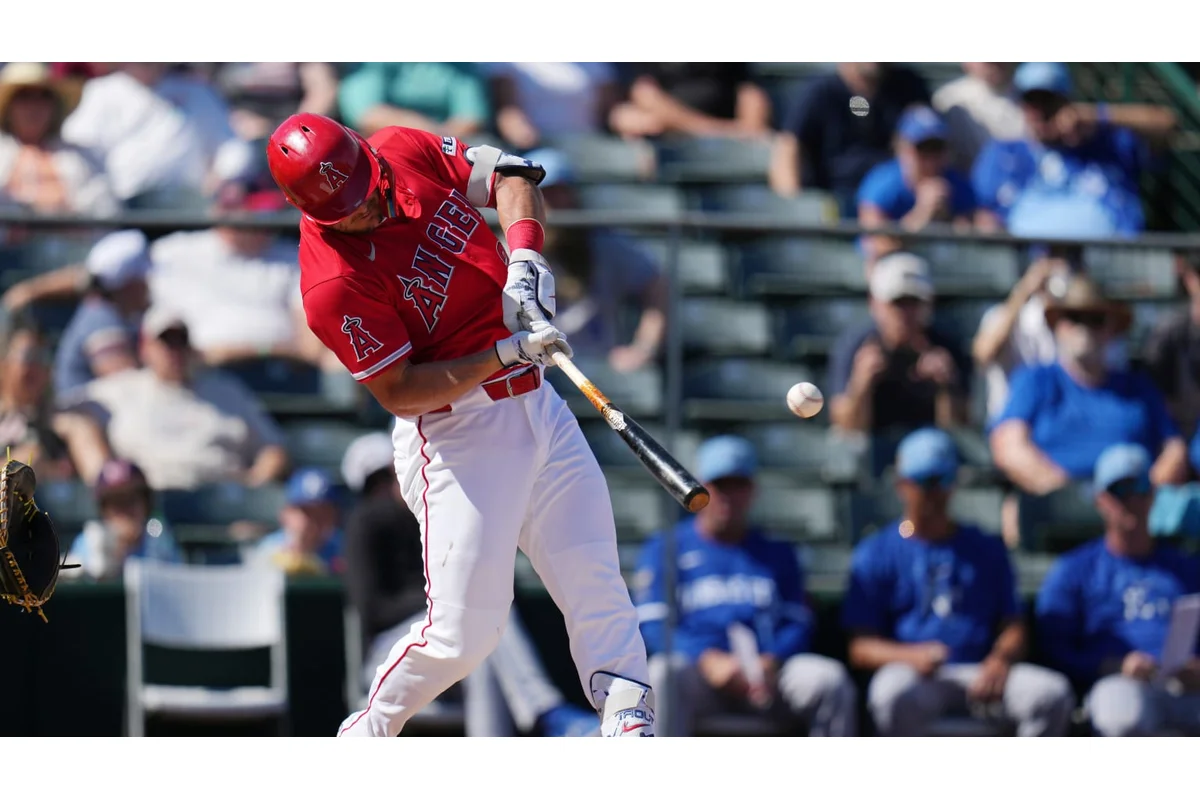
The 2026 World Baseball Classic (WBC) features many top baseball talents, but some prominent players, including Mike Trout, will miss the tournament because of insurance complications. These issues stem from prior injuries and policies designed to protect teams from financial risks, affecting player participation across multiple countries.
How Insurance Rules Have Changed Following Past Injuries
After serious injuries to Edwin Diaz and Jose Altuve during the 2023 WBC, the event’s insurance policies tightened significantly. Players listed on an MLB 40-man roster must now either secure insurance coverage or obtain explicit permission from their MLB team to compete without it. National Financial Partners assesses each player’s injury risk and categorizes them as low-risk, moderate-risk, or chronic-risk based on criteria such as time spent on the injured list, surgeries undergone, or injuries during critical games in the previous season.
Many players meet these chronic-risk standards but do not automatically lose coverage. For example, Minnesota Twins’ Byron Buxton remains eligible despite two knee surgeries within four years, showing some discretion in approvals. However, the policy also caps insurance coverage eligibility at age 37, which impacted Dodgers infielder Miguel Rojas, who turned 37 in February and was denied participation for Venezuela.
Questions about fairness have been raised by players like Rojas, who noted disparities in how Latin American countries, such as Venezuela, Puerto Rico, and the Dominican Republic, face more significant insurance challenges than teams from the United States or Japan.
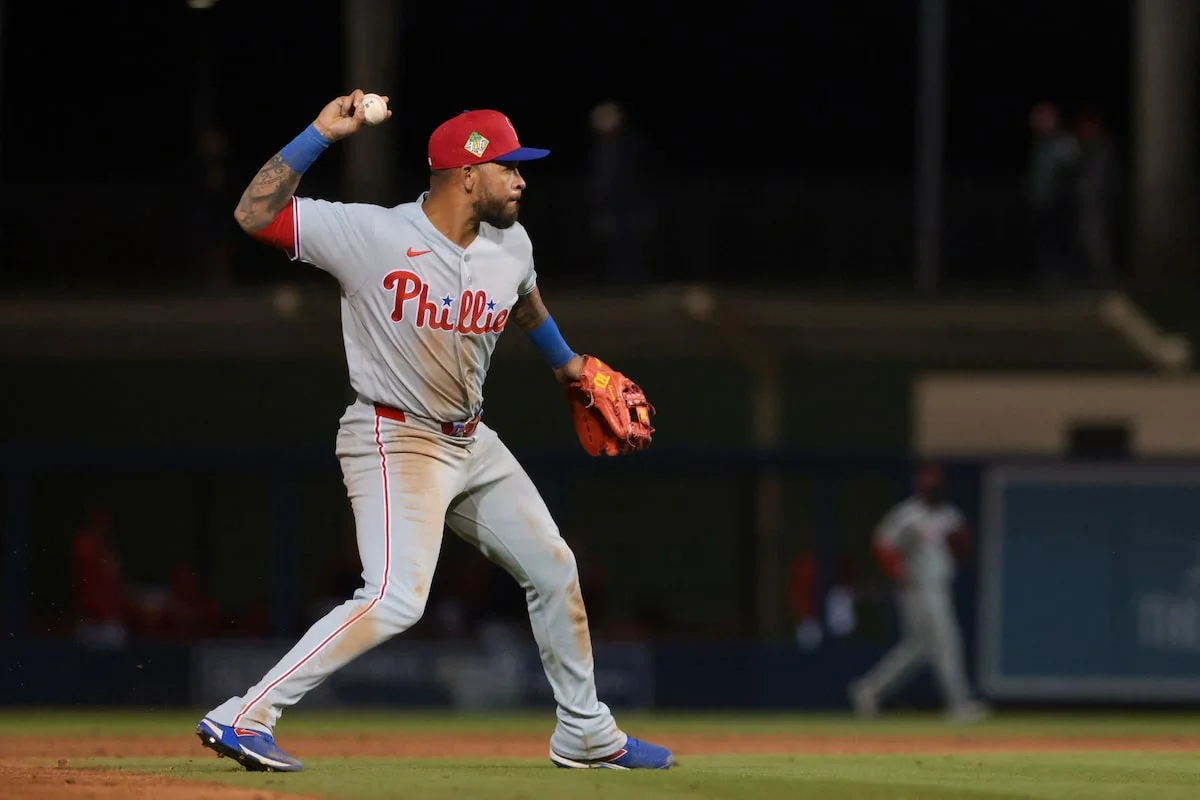
My only question is, why is it just with our countries, like Venezuela, Puerto Rico, a couple of Dominican players? I don’t see that happening with the United States or happening with Japan,
– Miguel Rojas, Dodgers infielder
Why Some Veteran Players Are Barred Despite Past Participation
Clayton Kershaw, a veteran pitcher, can play for the United States because he is no longer under an MLB contract, circumventing insurance limitations. Kershaw was denied insurance and forced to withdraw from the 2023 WBC due to his injury record. Mike Trout faces a different hurdle; despite being a marquee player, he was denied coverage due to his extensive injury history, preventing his participation once again.
A notable attempt to circumvent these barriers involved music star Bad Bunny offering to cover Houston Astros’ Carlos Correa’s insurance to allow him to compete for Puerto Rico. However, MLB, the Astros, and Correa’s agent Scott Boras discouraged this arrangement, emphasizing the restrictions in place.
The Role and Purpose of Insurance in the World Baseball Classic
Insurance policies in the WBC are meant to protect MLB teams financially if their players sustain injuries during the tournament. While MLB player contracts guarantee their salaries regardless of injury, teams continue to pay injured players even if they cannot play. The WBC’s insurance compensates teams in such cases.
These policies are underwritten and administered by the WBC but vetted by National Financial Partners, which scrutinizes injury histories before approvals. Without insurance, players on 40-man rosters generally cannot play unless their MLB team consents to waive this requirement, a rare exception due to the financial risks involved.
Exceptions and the Struggle for Permission to Play Without Insurance
In rare instances, teams have allowed players to participate without insurance. For example, in 2023, Miguel Cabrera played under such conditions with the permission of the Detroit Tigers. Yet this measure is seldom employed due to the high risk teams face if an injury occurs without the financial safety net of insurance.
Which Players and Countries Are Most Affected by Insurance Barriers?
The insurance policies have forced several notable players off the 2026 WBC rosters. Puerto Rico was particularly hard hit, with insurance denials so severe that the country’s baseball federation contemplated withdrawing entirely from the event. Despite staying in, the absence of key players leaves Puerto Rico’s roster thinner and less competitive than expected.
Francisco Lindor, who was denied insurance even before suffering a hamate bone injury during spring training, is unable to compete. Venezuela will compete without Jose Altuve, who was denied coverage after offseason foot surgery. His Astros teammate Carlos Correa was similarly prevented from playing for Puerto Rico due to his extensive injury history, further weakening a team that has traditionally been a strong contender.
The Broader Implications for the World Baseball Classic and MLB Players
The insurance challenges facing the 2026 WBC highlight the difficult balance between player safety, team financial interests, and international competition. While guaranteed contracts protect players financially, teams bear real financial risk if athletes are injured outside of MLB play. As a result, insurance becomes a gatekeeper determining whether many stars can participate, which impacts the quality and inclusiveness of the tournament.
For players like Mike Trout and Jose Altuve, who have long injury histories, the inability to secure insurance means missing an opportunity to represent their countries on a global stage. Countries with multiple affected players, especially in Latin America, are disproportionately disadvantaged, leading to frustration and skepticism about the fairness of the current system.
Looking ahead, the WBC and MLB may need to revisit these policies to balance protecting teams while allowing premier players to compete, preserving the tournament’s international prestige and competitive spirit.
