
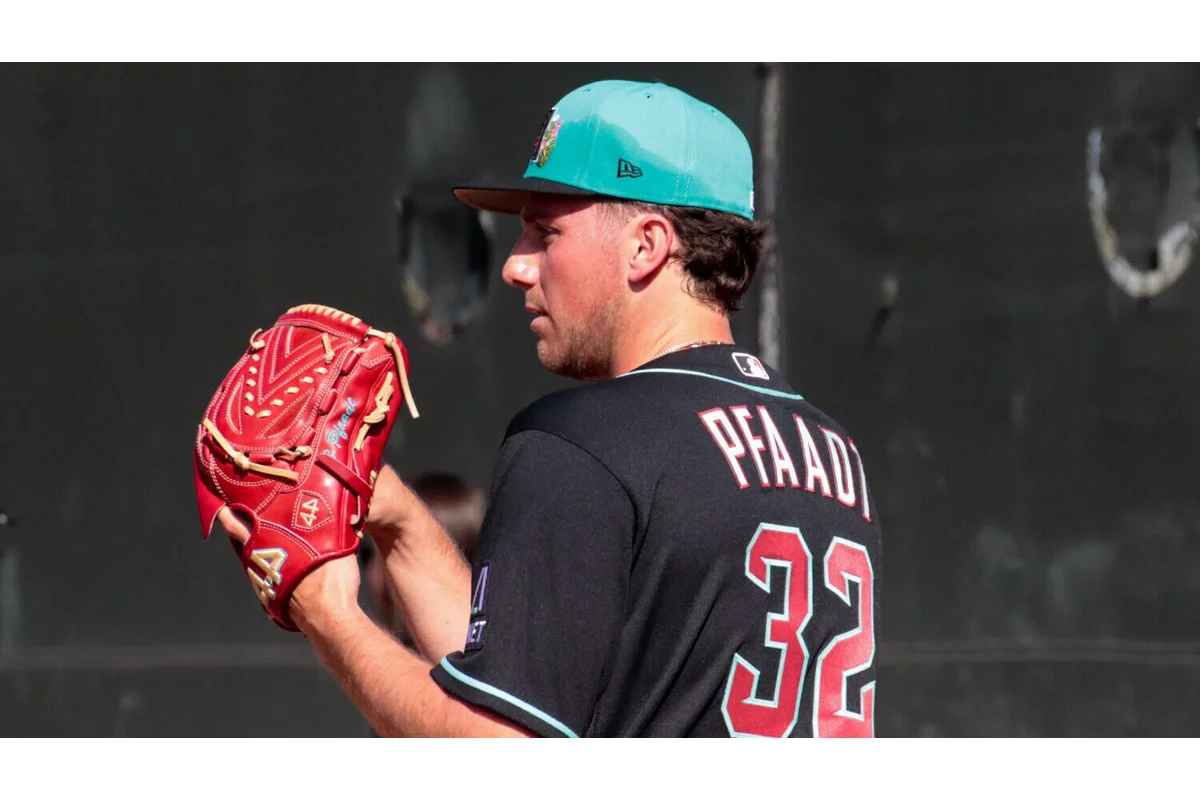
SCOTTSDALE — The Arizona Diamondbacks are entering the regular season with hopes pinned on their young talent, especially Jorge Barrosa and Tim Tawa, who stand ready to contribute crucial depth as the roster navigates injuries and a tough schedule. Spring training offers fans a glimpse into prospects like Ryan Waldschmidt, Jose Fernandez, and Tommy Troy, but Barrosa and Tawa, both recent major league graduates, are entering a critical phase where their continued development could greatly impact Arizona’s overall competitiveness.
Both players bring speed, versatility, and defensive skills that make them ideal candidates for flexible game roles. Barrosa, known for his strong defense across all three outfield positions and his surprising power at the plate despite his 5-foot-6 frame, is a switch-hitter with the ability to reach base frequently. Meanwhile, Tawa impressed in the minors with 31 home runs in 2024 and can handle multiple infield and outfield spots, offering the Diamondbacks a dynamic utility option.
Challenges Faced in Their First Major League Season
Last season, both Barrosa and Tawa encountered difficulties against major league pitching; Barrosa hit .141 while Tawa managed a .201 average. These struggles highlight the adjustments needed as they transition from prospects to reliable roster contributors. At 25 and 26 years old respectively, they are at a pivotal stage where establishing themselves firmly in the majors is essential.
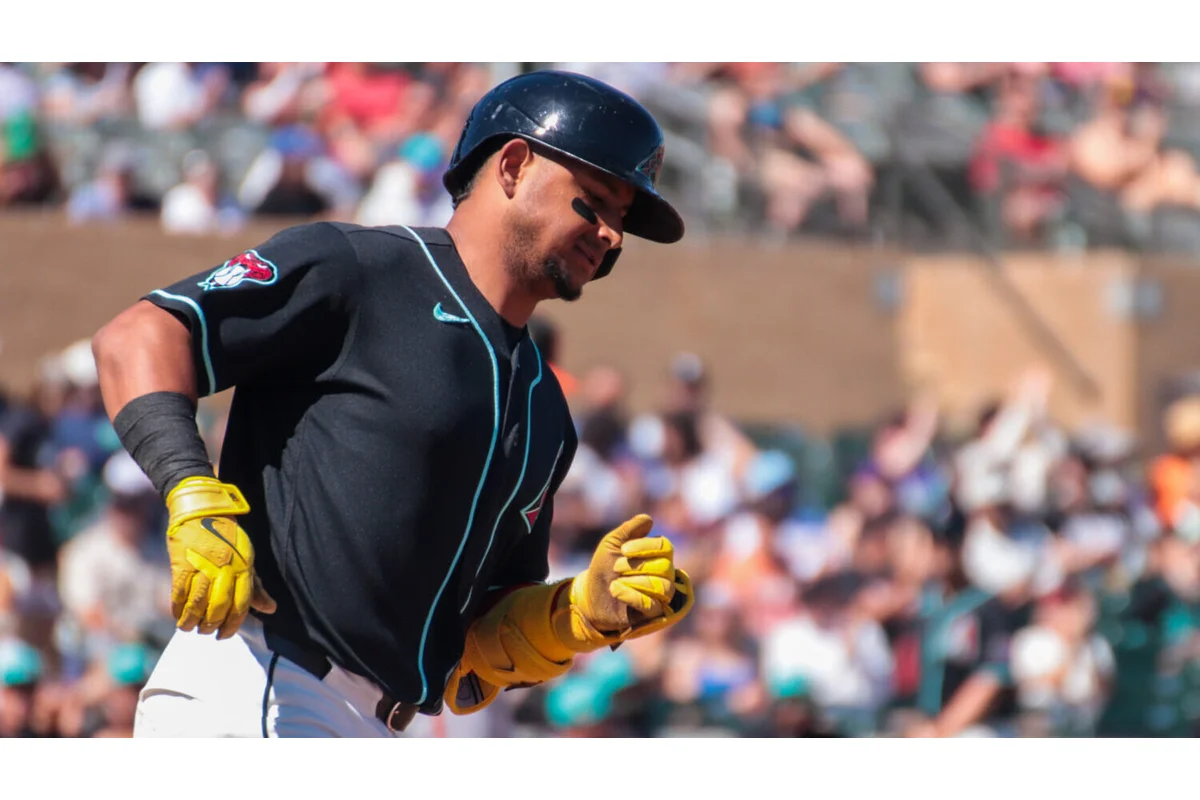
The Diamondbacks have notable gaps toward the bottom of the batting order and across the bench, particularly given the expected length of time several players will spend on the injured list. This situation increases the likelihood that Barrosa and Tawa will be called upon early and often. Over the offseason, both committed to refining their approach and physical preparations to enhance their readiness for expanded roles, aiming to boost Arizona’s lineup depth as the season unfolds.
Jorge Barrosa’s Focused Adjustments for Success
Barrosa’s first major league experience revealed an overly aggressive approach at the plate, chasing 35% of pitches outside the strike zone compared to the league average of 28%. He also recorded 22 strikeouts against only two walks in 77 plate appearances, illustrating a challenge in pitch selection that diverged from his minor league tendencies.
Just play for the team, that’s one thing that you’re always trying to do,
Barrosa said.
Be able to recognize more pitches and be patient, be more patient. Just swing at the right pitches. A lot of the guys that I’m learning from are (Lourdes Gurriel Jr.), I always talk to him. (Ildemaro Vargas). They always talk to me about game situations.
Barrosa’s goal is to improve his plate discipline significantly this season by seeing more pitches and forcing opposing pitchers into longer at-bats. He is optimistic that the Automated Ball-Strike Challenge System (ABS), with its tighter strike zone compared to traditional umpiring, will help him adapt, especially since he noticed some borderline high strikes called against him last year.
Another key part of Barrosa’s approach is maintaining better timing and trusting his instincts rather than lunging early at the ball. His ability to drive gaps was evident with 29 doubles in just 93 Triple-A games, demonstrating that he can be a productive hitter with proper adjustments.
I would say a lot with the hitting coaches is about approach, about mentality, what you’re going to do, where you want to see the ball, where you want the ball to start,
Barrosa explained.
Be confident in your work that you put in the cages and be able to execute it in the game. … Don’t try to do too much.
Diamondbacks manager Torey Lovullo emphasized the importance of this spring for Barrosa’s growth, stressing that developing better pitch selectivity will be crucial as he competes for a role.
With the regular starting outfield likely composed of Corbin Carroll, Alek Thomas, and Jordan Lawlar—who is gaining experience in center field this spring—Barrosa projects as a valuable fourth outfielder, capable of defensive replacements, pinch running, or pinch hitting in optimal matchups. Yet with prospects like Ryan Waldschmidt also vying for playing time and Lourdes Gurriel Jr. returning from a torn ACL ahead of schedule, Arizona’s outfield depth is expected to become highly competitive.
Additionally, Barrosa’s lack of minor league options adds pressure for him to secure a spot on the major league roster, making consistent performance imperative.
Tim Tawa’s Refinements and Versatility
Tim Tawa began his major league tenure with promise, hitting four home runs along with two doubles and drawing eight walks in his first 14 games last year. However, once opposing pitchers exploited weaknesses by increasing breaking balls in his at-bats, Tawa’s strikeouts surged and he struggled to maintain consistency.
In response, Tawa worked closely with Arizona’s hitting coaches over the offseason to alter both his mental approach and physical mechanics at the plate.
The approach is obviously a big part of it, and it’s important being able to control the zone and I’ve tried to put a big emphasis on that so far in my at-bats,
Tawa shared.
But I was feeling more like I was steep, and where my hands were loading, it was just tough to consistently get to the right spot and then have my bat path be the right way. So just trying to eliminate the variability, be a little bit more consistent just by having a little bit more of a set position and just be a little more point A to point B.
This offseason adjustment toward a more balanced and repeatable swing path has allowed Tawa to stay on pitches better so far this spring, reflected in a .286/.400/.476 slash line through 21 at-bats, including a home run.
Tawa’s versatility draws comparisons to Ben Zobrist, the well-known utility man who contributed significantly to the championship victories of the Kansas City Royals and Chicago Cubs in the mid-2010s. Manager Torey Lovullo highlighted this potential, noting Tawa’s value in fulfilling a similar role as a right-handed utility player capable of impacting multiple positions.
Arizona’s roster lost Blaze Alexander, previously seen as a promising utility talent, following his offseason trade to Baltimore, which opens up an opportunity for Tawa to assume the do-it-all job. Last year, Tawa displayed his flexibility by playing all three outfield spots, along with second base, third base, and first base for the Diamondbacks. He primarily has worked at second base this spring but continues rotating through various positions except shortstop, enhancing his chances for regular playing time.
Implications for the Diamondbacks’ Season Depth
The Diamondbacks face a season requiring roster flexibility due to injuries and long-term absences. The development of Jorge Barrosa and Tim Tawa not only contributes immediate depth but also represents a critical investment in the team’s future competitiveness. Their ability to adjust and perform could stabilize the lineup’s lower order and bench, areas where Arizona has previously lacked consistency.
With the team’s higher-profile prospects such as Corbin Carroll and Ryan Waldschmidt gaining recognition and internal competition increasing, Barrosa and Tawa must capitalize on this season to solidify their roles. Their versatility and improved plate discipline efforts position them as valuable pieces in a roster poised to adjust dynamically as the campaign progresses.
As the regular season unfolds, the Diamondbacks’ success may depend on how effectively these younger players can step up and provide the essential contributions needed during stretches of adversity.
