

The Chicago Cubs are facing a notable challenge in structuring their starting pitching rotation for the 2026 season as Javier Assad’s strong spring performance is influencing their plans. With a crowded pool of potential starters, Assad’s emergence has raised questions about how the Cubs will arrange their pitching roster and who will earn key spots early in the year.
A Deep Pool of Starting Pitchers for the Cubs
The Cubs have built a robust rotation featuring names like Matthew Boyd, Cade Horton, Edward Cabrera, Jameson Taillon, and Shota Imanaga. By mid-season, ace Justin Steele is expected to return from elbow surgery, adding further strength to the group. Beyond these six main starters, the Cubs also have additional arms such as Colin Rea, Ben Brown, Jordan Wicks, and Javier Assad available in reserve roles, creating a surplus of talent vying for limited rotation positions.
Javier Assad’s Impressive Spring Raises Questions
After a 2025 season limited by injury that kept him off the major league roster until August, Javier Assad is healthy and excelling this spring. He has pitched 4.1 scoreless innings during Cactus League games and recently contributed 3.2 scoreless innings for Team Mexico in the World Baseball Classic against Great Britain. Despite being frequently overlooked within the Cubs’ pitching plans, Assad’s track record includes a solid 3.43 ERA over 331 innings across four years, combining both starting and relief roles.
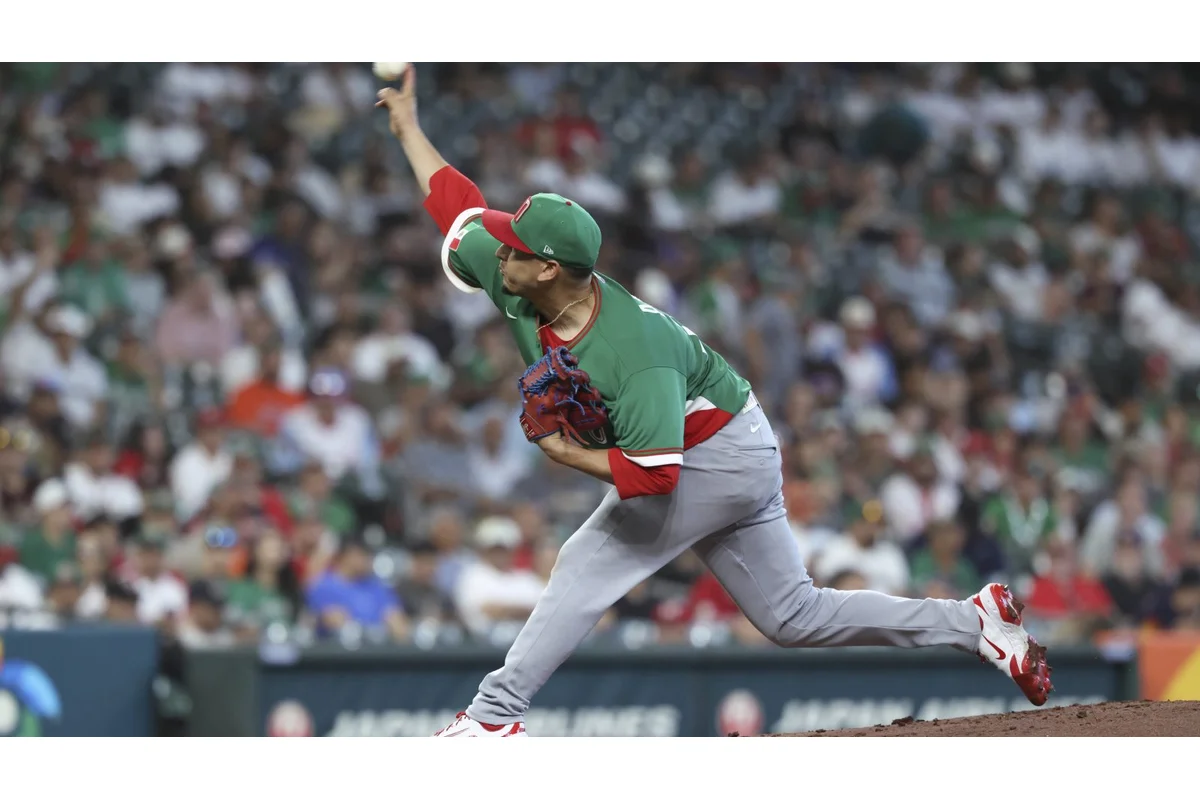
While Assad was projected by some to start 2026 at Triple-A Iowa due to his minor league options, his consistent effectiveness this spring challenges that expectation. His performances suggest he could force his way onto the big league Opening Day roster and press for a rotation spot rather than remaining a peripheral figure.
How Assad’s Emergence Disrupts the Cubs’ Initial Pitching Strategy
Cubs manager Craig Counsell addressed the evolving pitcher situation, acknowledging the uncertainty around the rotation. He remarked,
“You don’t know what’s going to happen right now. You’ve got Plan A. It’s, ‘How long can you be on Plan A?’ At some point, you’re going to have to go to a different plan. That’s why more than the [13 MLB pitchers] is really important. And then, just how we handle building out the team, that’s not set in stone by any means.”
Despite Assad’s strong spring, the Cubs are cautious about granting him a permanent starter’s role due to certain underlying metrics that suggest he may not overpower hitters as some other pitchers do. Nevertheless, his consistent success indicates his performance is not a fluke, and the team acknowledges his ability to contribute meaningfully at the major league level.
Expanding on Assad’s value, Counsell stated,
“Somebody like Javy, the point is, you don’t try to figure out where they fit. We don’t have to do that. At some point, we’re going to need Javy’s outs. When, is probably the question. But we want him pitching well and obviously he’s shown the ability to get big league hitters out and at a pretty high level.”
This highlights the Cubs’ recognition that Assad will play an important role, with the primary consideration now being the timing of his integration into the rotation.
Pitching Challenges Amid Injuries and Roster Management
While the Cubs possess a depth of starting pitchers, injuries remain a concern, and the organization must balance their roster to maximize performance. Given the crowded field of arms, decisions on who will secure rotation spots, bullpen roles, or minor league assignments are still flexible. Assad’s strong showing complicates the decision-making process, especially as the team manages health issues and strategic options for mid-season changes.
Looking Ahead: Impact of Assad’s Breakout on Cubs’ 2026 Season
The rise of Javier Assad challenges the Cubs’ initial rotation blueprint and may influence how manager Craig Counsell structures the pitching staff in 2026. With six projected starters expected and additional depth waiting in the wings, the competition within the pitching ranks intensifies. Assad’s ability to maintain this level of performance could secure him a permanent role and provide the Cubs with a valuable, versatile arm as they navigate the demands of the MLB season.
This situation emphasizes the importance of flexibility in roster management, especially as injuries and player development continue to shape the team’s rotation. Fans and analysts will be watching closely to see how quickly Assad is integrated into the Cubs’ starting pitching mix and how his presence affects the overall dynamic of the staff moving forward.
