
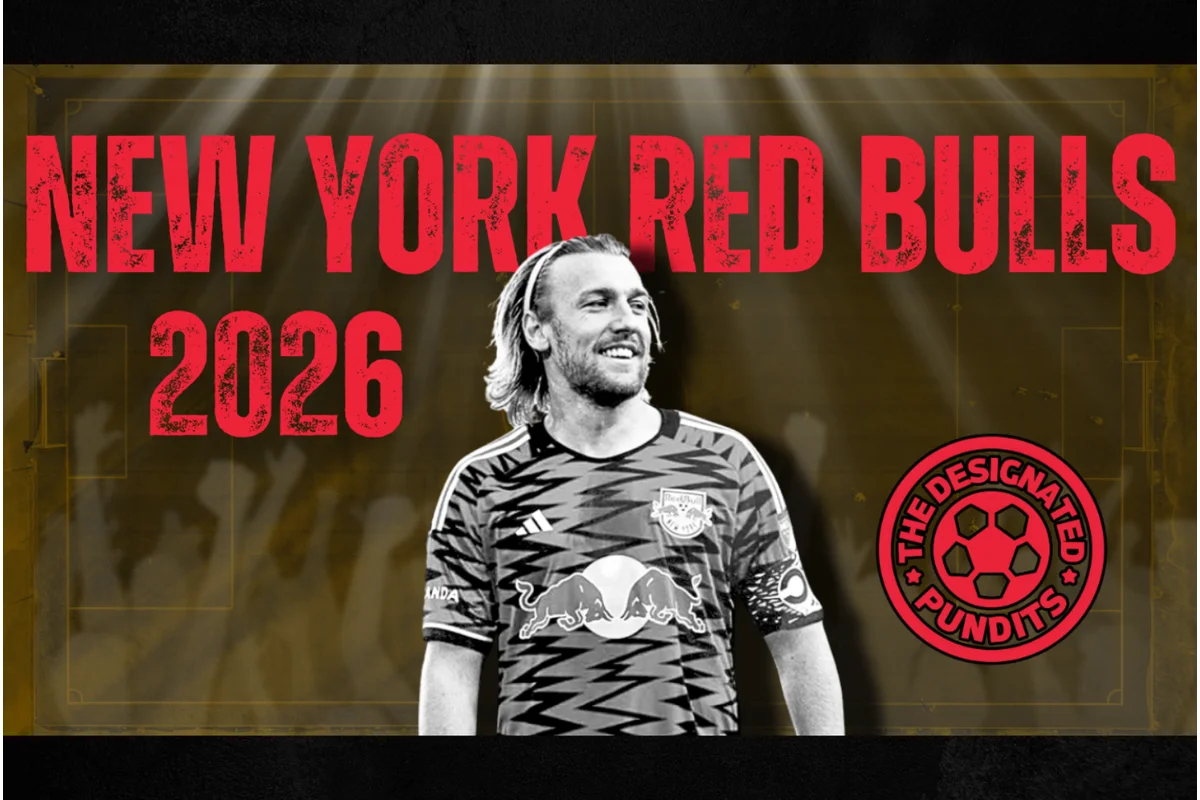
As Michael Bradley prepared for his debut as the senior head coach of the New York Red Bulls, he remained cautious about sharing details publicly. The atmosphere in Harrison, New Jersey, was charged with anticipation as Bradley, a former U.S. Men’s National Team captain, prepared to lead one of Major League Soccer’s notable clubs. His appointment reflected a strategic move by the Red Bulls, aiming to inject fresh ideas and adapt their approach to modern football.
Bradley’s transition from managing the MLS Next Pro side, Red Bulls II, to taking charge of the first team signals a significant step in his coaching career. Having cultivated his tactical knowledge under the guidance of his father, Bob Bradley, and through early interactions with Jurgen Klopp—now Head of Global Soccer for Red Bull—Michael Bradley enters his new role equipped to blend tradition with innovation. His vision centers on elevating the club’s football style while maintaining the signature intensity the Red Bulls have long valued.
The Need for Change After a Period of Dormancy
The New York Red Bulls have long been considered a prestigious club within MLS, boasting impressive resources like a state-of-the-art stadium and strong financial backing. Historically, the team consistently reached the playoffs and featured soccer greats such as Thierry Henry, Tim Cahill, and Bradley Wright-Phillips. However, recent seasons revealed a stagnation in the club’s style and results.
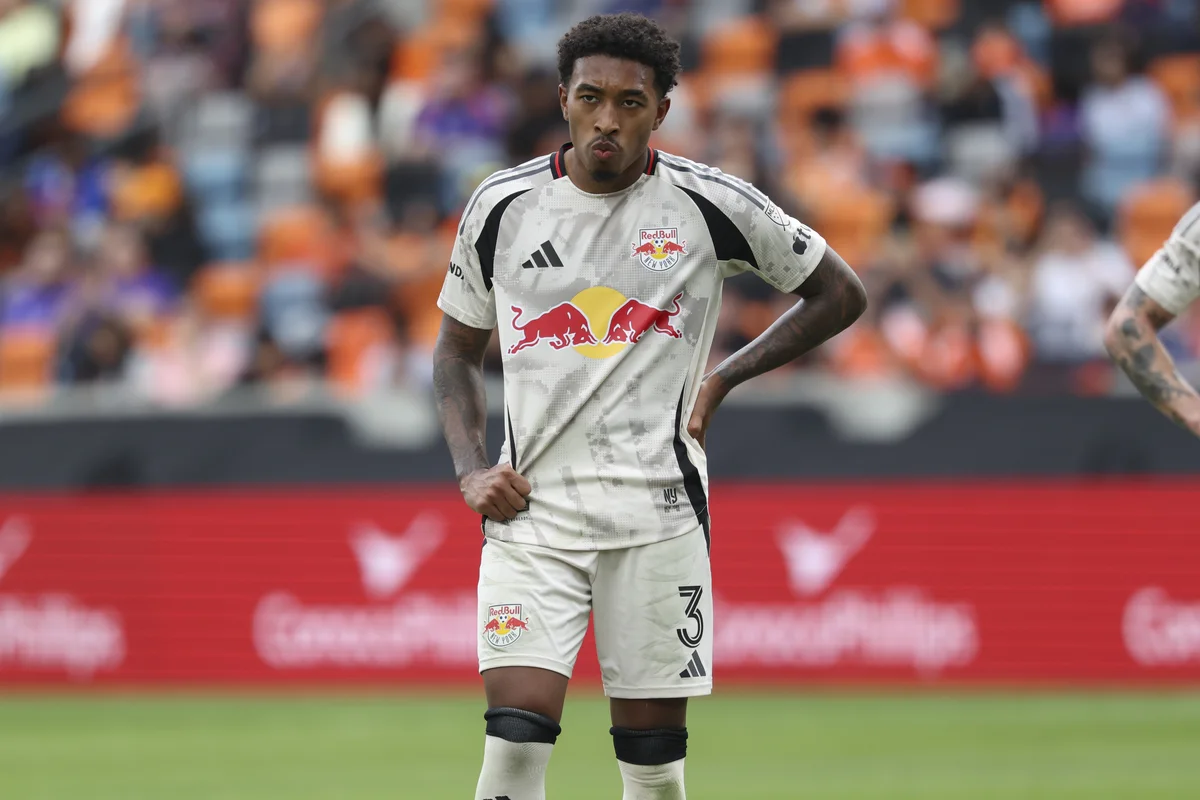
All five teams within the Red Bull football system played with a high-pressing style based around a 4-2-2-2 formation. Yet, their tactics had become increasingly predictable as opponents adapted to this approach. Under former head coach Sandro Schwarz, New York’s performances reflected this rigidity, leading to the club missing the playoffs for the first time in 15 years—underscoring a clear need for evolution.
The organizational shake-up began at the top. In 2025, Red Bull hired Jurgen Klopp as Head of Global Soccer, introducing new strategic perspectives. Klopp emphasized that while intensity remained critical, the team also needed to refine how they played football. Bradley was among the coaches Klopp identified to anchor this transition, despite his limited experience as a head coach at the senior level.
“I met with them, and it was clear after five minutes, the direction that Jurgen wants to take Red Bull. And I’m here because that is 100 percent in line with how I see and feel the game,”
Michael Bradley explained.
This foundation of defined game models and tactical mandates is ingrained in the Red Bull philosophy. Clubs within the system must maintain aggression and high tempo, but Bradley recognizes the importance of adding his own ideas to the prevailing style.
“It was about being able to hold a group to the highest standards in terms of how we play against the ball, how we press, the intensity that we play with, how hard we run, how much we sprint, how hard we counter-press,”
Bradley said.
“But then also hold the highest standards when we have the ball, to say, how good can our football be? How can we find the right rhythm? How can we find the right ways to connect passes, to play forward, to score goals?”
Navigating the Increasing Speed and Dynamism of the Game
Modern football is evolving at a breakneck pace, posing challenges and opportunities for young coaches like Bradley. Pep Guardiola, once the benchmark for tactical innovation, recently acknowledged that his style no longer defines the modern game. Bradley’s pathway is influenced by Jurgen Klopp’s leadership, but the landscape of soccer tactics remains fluid.
“The game is only getting faster, it’s only getting more dynamic. It’s only getting more fluid,”
Bradley noted.
“Ideas come back around, and ideas get adjusted and tweaked. There’s a part to the game that will always be like that. But I think again, when you just look at athletes nowadays, and when you look at football players, when you look at the speed of the game — it’s not slowing down.”
Major League Soccer particularly exemplifies this rapid evolution. Once perceived as a slower-paced league suitable for European players to unwind during summer months, MLS is now marked by quick transitions, higher scoring games, and players who are fitter and more balanced athletes. This demands innovative coaching strategies that prepare teams for constant tactical shifts.
“We need to make sure that when the game is flying around, we have players who can co-adapt to all of the competitive uncertainty that the game presents. Every situation is different. No two actions are the exact same. And so how do you get players in a team to embrace that?”
Bradley remarked.
His approach balances the frenetic nature of the sport by encouraging the team to “slow the game down” strategically, maintaining composure amid chaos and making smart decisions under pressure.
From Midfielder to Mentor: Bradley’s Coaching Foundations
Michael Bradley’s progression from a box-to-box midfielder to head coach reflects a well-trodden but meaningful path. Known for his deep understanding of the pitch, Bradley’s on-field role required constant tactical awareness, managing not only his contributions but also orchestrating the dynamics among teammates.
“There was always a part of me that was thinking about the game from the perspective bigger than just ‘what’s good for me?'”
he recalled.
His abiding passion for soccer extended beyond playing; Bradley was drawn to the camaraderie and collective effort of a team environment. Choosing coaching was not simply a career option but a calling deeply intertwined with his identity.
“I love being a part of the team, being a part of a group of people that are trying to do something together,”
he acknowledged.
“I love the routine and the rhythm of being at a training ground every day and being on the field.”
Raised in a coaching household, with his father Bob Bradley a respected figure in U.S. soccer coaching, Michael developed an innate connection to the game’s tactical side early on.
“I grew up in the house of a coach. I was around the game. I was around coaches. I was around coaching from the day that I could think or talk or even understand what was going on,”
Michael Bradley shared.
This background has equipped him with insights and a mindset well-suited to managing the complexities of professional football.
Strategic Player Acquisition to Fit the New Philosophy
Bradley has not faced this challenge alone. Julian De Guzman, recently promoted to Head of Sport, oversees transfers and squad development, working closely with Bradley to retool the Red Bulls roster to meet the demands of their evolving style.
“You have to be intense, you have to be aggressive, you have to be a runner, and have all this energy. But when it’s time to have the ball, let’s play football. Let’s try to do something fun,”
De Guzman advised.
De Guzman’s diverse playing background across multiple countries, including impactful years in Spain’s La Liga, informs his conviction in fostering creative, possession-based football that complements intensity and energy.
“The belief that I feel from my playing background, from Michael’s playing background, and where I had the most joy of football in my past life as a player was in La Liga, and La Liga is football,”
he explained.
Winter transfer activity reflected the club’s aggressive approach to this transition. Young talents like Cade Cowell, joining on loan from Chivas Guadalajara, and Jorge Ruvalcaba, recruited from Pumas to fill a Designated Player slot, exemplify the drive to infuse youth and potential into the squad. An increase in South American signings adds further dynamism.
This mix creates enthusiasm while acknowledging the challenges inherent in Bradley’s vision, as world-class players with the technical and tactical patience required to play at a slowed, thoughtful pace are rare and costly.
“They’re very difficult to find. They’re very expensive, too. But we’re not about going out there, spending crazy amounts of money to find these types of players,”
De Guzman stated.
Still, the presence of experienced veterans Emil Forsberg and Eric Maxim Choupo-Moting provides valuable leadership, bridging the club’s rich history with its youthful aspirations.
Internal Development and Trust in Homegrown Talent
Bradley’s appointment aligns with a broader organizational goal to rejuvenate the club’s internal development pipeline. Julian De Guzman stresses the importance of identifying leaders and talent cultivated within the Red Bulls environment.
“Sure, you’ll have a list of candidates, but then that last question you ask yourself is, ‘Who within the environment actually deserves this?’ And then that becomes a bigger conversation. And then when you see that person ticks up all the boxes based on their development, the progress, then we identify that person internally,”
De Guzman explained.
The Red Bulls have a strong tradition of promoting homegrown players and coaches—Tyler Adams is a recent example of a homegrown player rising to international prominence, and Jesse Marsch was a coach who advanced through the system. Bradley aspires to continue this legacy, joining a lineage of figures who have risen from within the Red Bulls’ ranks.
Supporting this progression, former MLS Next Pro coach Ibrahim Sekagya advanced to assistant coach under the current setup, and Bradley himself was promoted internally, reflecting a deliberate pathway for development within the club.
“I want to coach at the absolute highest level that I can. I’m proud of the career that I had as a player; I enjoyed every second. But I want to do everything I can to have an even better coaching career, to be a better coach than I was a player,”
Bradley affirmed.
While the immediate focus remains on navigating the season and returning to playoff contention, this internal momentum contributes to a sense of cautious optimism. Where once there was apprehension after missing the playoffs, a youthful energy and renewed ambition now define the club’s outlook.
