
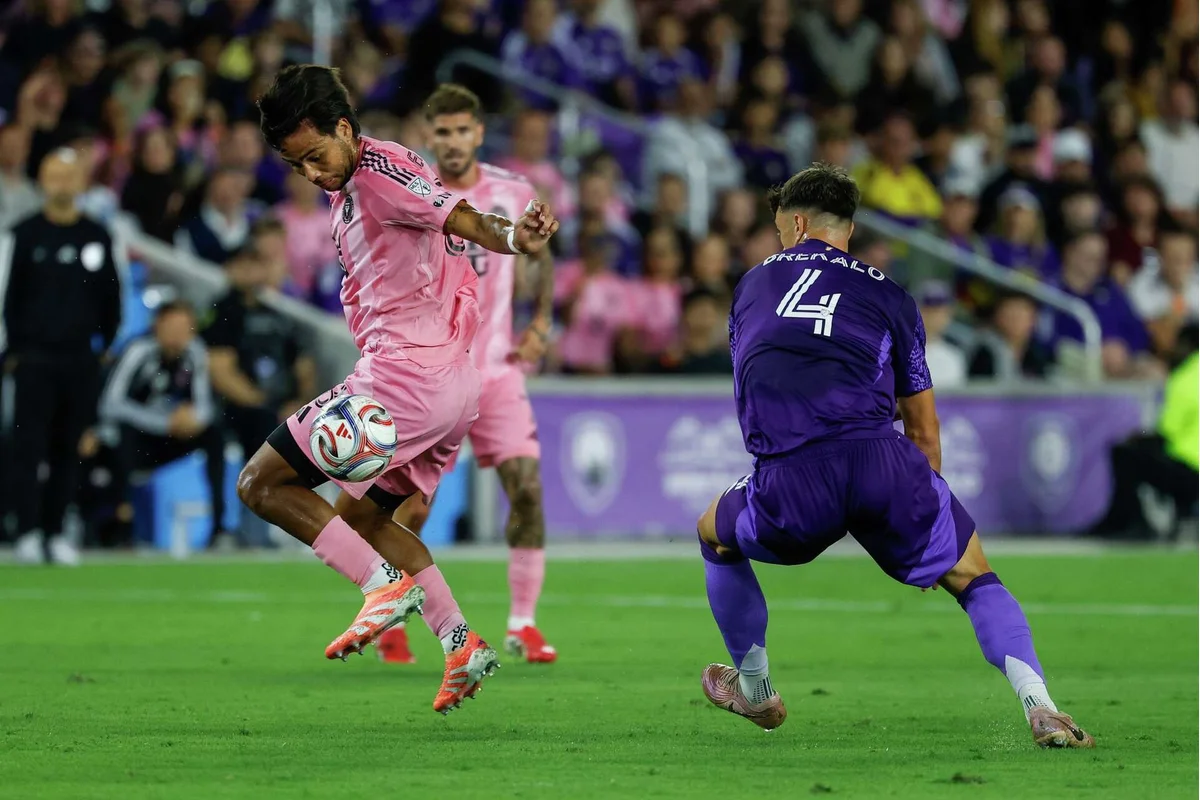
Inter Miami displayed remarkable resilience on Sunday night in Orlando, overturning a 2-0 disadvantage to secure a 4-2 victory in a dramatic MLS encounter. This comeback highlighted Telasco Segovia assists and scores as pivotal to the triumph, supporting Lionel Messi’s decisive influence as the defending MLS Cup champions battled back on the road.
The first half saw Miami struggle, reminiscent of their disappointing 3-0 season-opening loss to Los Angeles FC, marked by hesitant attack and shaky defense. However, the team transformed after halftime, sparked by Messi’s magical creativity and Segovia’s critical contributions. Their combined efforts turned the match around, enabling Miami to climb from a two-goal deficit to claim all three points in a high-stakes contest.
Second Half Revolution Driven by Messi and Segovia
The resurgence began with Messi finding space beyond the Orlando defense to launch a long-range strike that reduced the deficit to 2-1. Segovia played a key role, setting up both of Miami’s first two goals with precise assists that unlocked the Orlando backline. Demonstrating composure, Segovia then took centre stage by scoring the go-ahead goal himself in the 85th minute, a finish that proved crucial to sealing the comeback victory.
Shortly after Segovia’s goal, Orlando City midfielder Colin Guske received a red card, creating a numerical advantage for Miami. Messi immediately capitalized by converting a free kick, extending the lead and putting the match beyond Orlando’s reach. This sequence reflected Miami’s ability to capitalize on momentum shifts and exploit opponents’ mistakes when it matters most.
Defensive Woes Continue Despite Offensive Brilliance
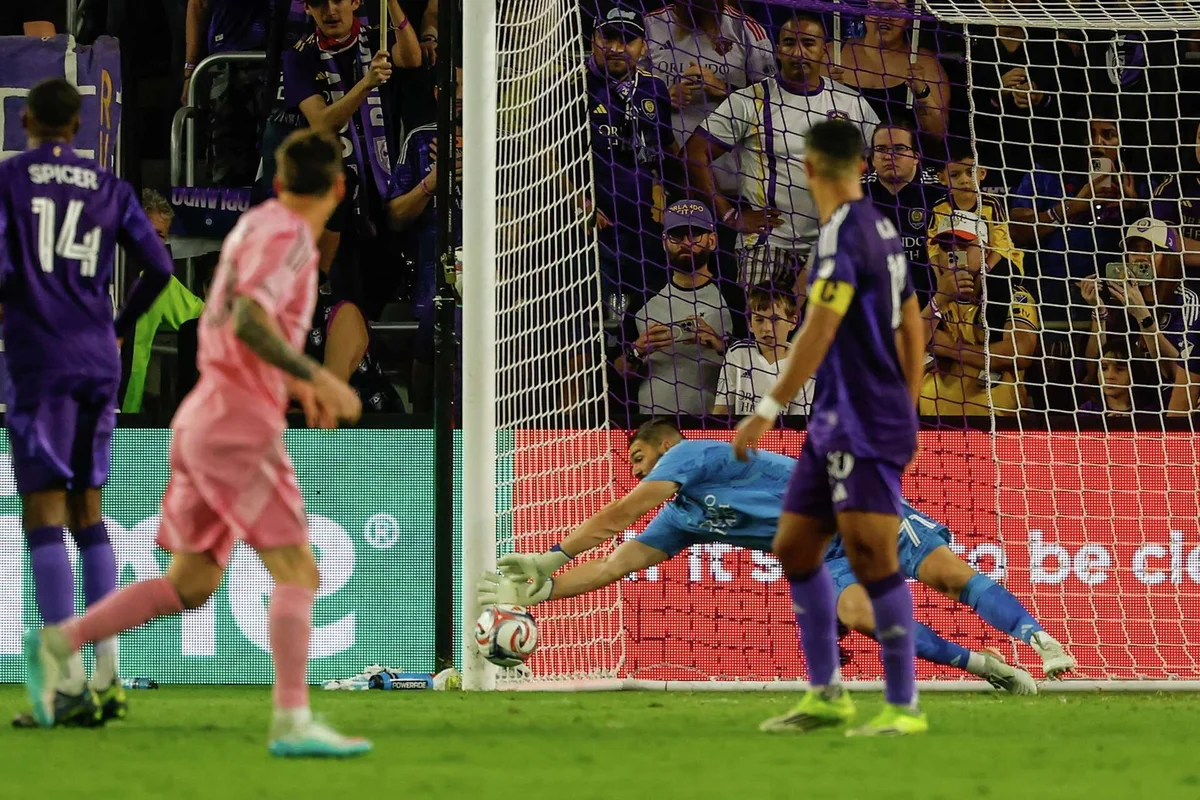
While the attacking flair was undeniable, Inter Miami’s defensive unit showed inconsistencies that continue to be a concern. Goalkeeper Dayne St. Clair had a difficult start, allowing Orlando’s opening goal after only a partial save and appearing uncertain during some moments of the match. Although he found his rhythm later, his early errors put Miami in a challenging position.
On the back line, Noah Allen struggled to keep pace in the first half and was replaced following tactical adjustments. Micael and Maxi Falcon shared responsibility at the heart of defense but appeared out of sync, particularly before the halftime change in formation. Facundo Mura managed to get forward on occasion but was unable to produce significant threatening opportunities. Overall, the defense was far from rock solid and remains an area requiring stabilization.
Midfield’s Mixed Performances Highlight Segovia’s Standout Game
The midfield showed contrasting levels of effectiveness. Rodrigo de Paul endured a tough night, committing a costly turnover that led to Orlando’s opener and showing visible frustration, prompting Messi to urge calmness. Yannick Bright experienced a scare during the contest but otherwise contributed adequately in midfield battles.
In contrast, Telasco Segovia rose to prominence with an outstanding display, earning a 9 out of 10 rating. He provided the crucial assists for the first two Miami goals, facilitating the finishes expertly. Moreover, his composed goal in the final stages effectively secured the win, underscoring his influence on the game’s outcome. Tadeo Allende also made important contributions down the right flank, creating danger whenever Messi fed him the ball, though he was less visible in scoring terms.
Attack Fueled by Messi’s Magic While Berterame Struggles to Connect
Lionel Messi once again proved the difference-maker when Miami needed inspiration, only requiring a sliver of space to score his initial goal and showing his trademark skill by converting a subsequent free kick. His two crucial goals combined with Segovia’s vision illustrate the attacking potency Miami can harness when firing on all cylinders. Messi’s brilliance was anticipated and delivered, in contrast to German Berterame, who appeared disconnected from much of the play and has yet to fully integrate into the team’s style.
Substitutions and Tactical Changes Spark Improved Second Half
The second half turnaround was also aided by impactful substitutions. Mateo Silvetti made an immediate splash, scoring just three minutes after entering and reviving Miami’s charge back into the game. His presence helped lift the overall team performance significantly. Gonzalo Lujan’s late appearance helped see out the match safely during stoppage time.
Manager Javier Mascherano demonstrated adaptability, acknowledging a troubled first half but successfully recalibrating strategies at halftime. His adjustments played a direct role in Miami’s revival, blending tactical shifts with an inspired team spirit that propelled the comeback.
Implications for Inter Miami’s Season and Future Challenges
This victory serves as a vivid reminder of Inter Miami’s potential to dominate when their key players click, despite evident defensive frailties. The game showcased why Telasco Segovia assists and scores remain vital to the team’s attack, pairing effectively with Messi’s uncanny ability to change games single-handedly. Yet Miami’s defensive inconsistencies and reliance on moments of individual brilliance underline the work still required to replicate sustained success.
Going forward, Inter Miami will need to address defensive lapses to avoid early deficits and capitalize more consistently on their offensive strengths. The team’s capacity to bounce back from adversity, however, bodes well as they pursue greater achievements this MLS season. This impressive comeback reinforces their status as reigning champions capable of remarkable displays, even when not at their best.
