
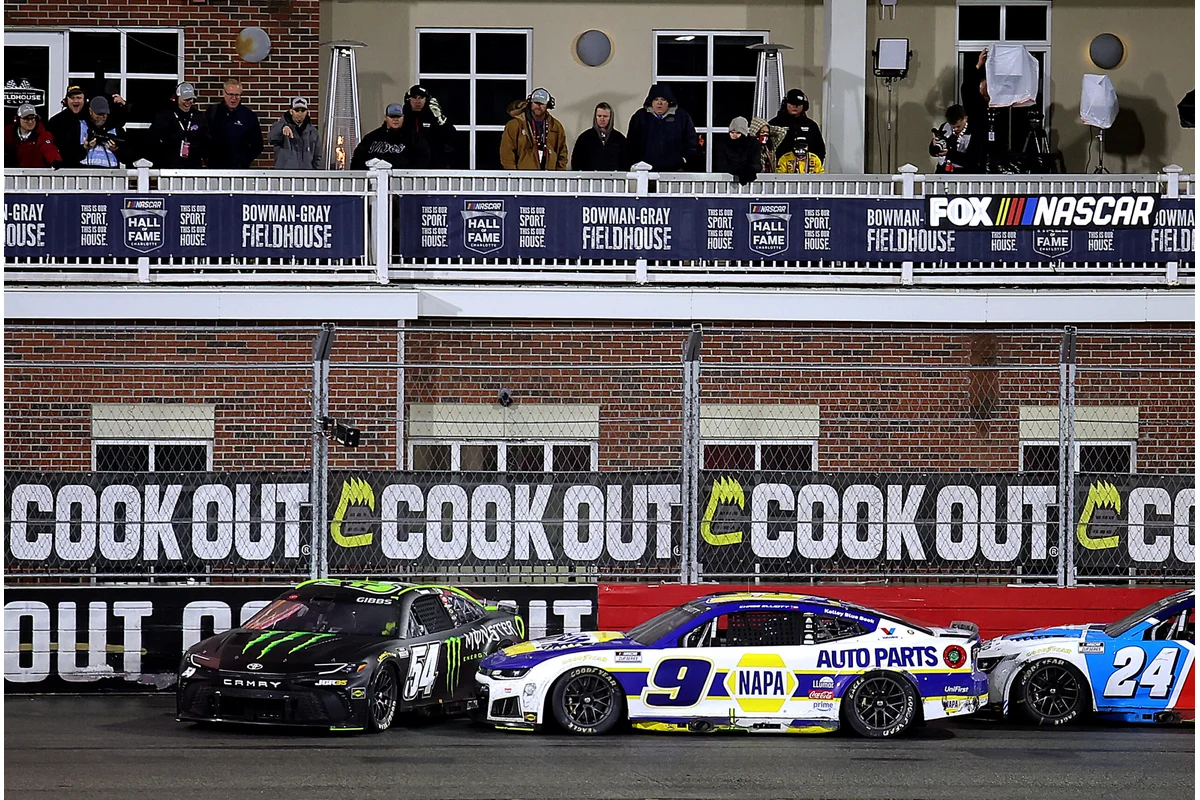
The Cook Out Clash at Bowman Gray Stadium encountered significant disruptions this week due to historic snowfall in North Carolina, causing multiple postponements and reigniting discussions on whether NASCAR should return its marquee exhibition event to Daytona International Speedway. The contentious environment surrounding the race’s location centers on weather challenges and fan experience concerns.
Winter Storm Forces Race Delays and Safety Concerns
Originally planned for the weekend, the Clash was repeatedly postponed and ultimately staged on a Wednesday afternoon under difficult conditions, after Winston-Salem received between 8 to 10 inches of snow. Meanwhile, the Charlotte area, which functions as the team’s home base, was hit with even more severe snowfall of 11 inches. These unprecedented winter weather conditions severely complicated scheduling and logistics.
When the race finally began, adverse weather persisted. Periods of rain and sleet turned Bowman Gray’s quarter-mile oval into a slippery surface that necessitated wet-weather tires. The result was a caution-filled contest extending 200 laps and marked by a record 17 yellow flags. Despite the turmoil, Ryan Preece emerged as the victor in a race defined by weather-related unpredictability.
Arguments for Returning the Clash to Daytona International Speedway
Many traditional NASCAR fans and insiders have voiced strong support for relocating the Clash back to Daytona, a site that hosted the event for many years before NASCAR ventured into alternative venues such as the LA Coliseum and Bowman Gray Stadium. Advocates point to Florida’s typically mild and dry February climate, which contrasts sharply with the severe winter weather recently experienced in North Carolina. This stability could prevent the scheduling and safety issues that plagued the latest event.
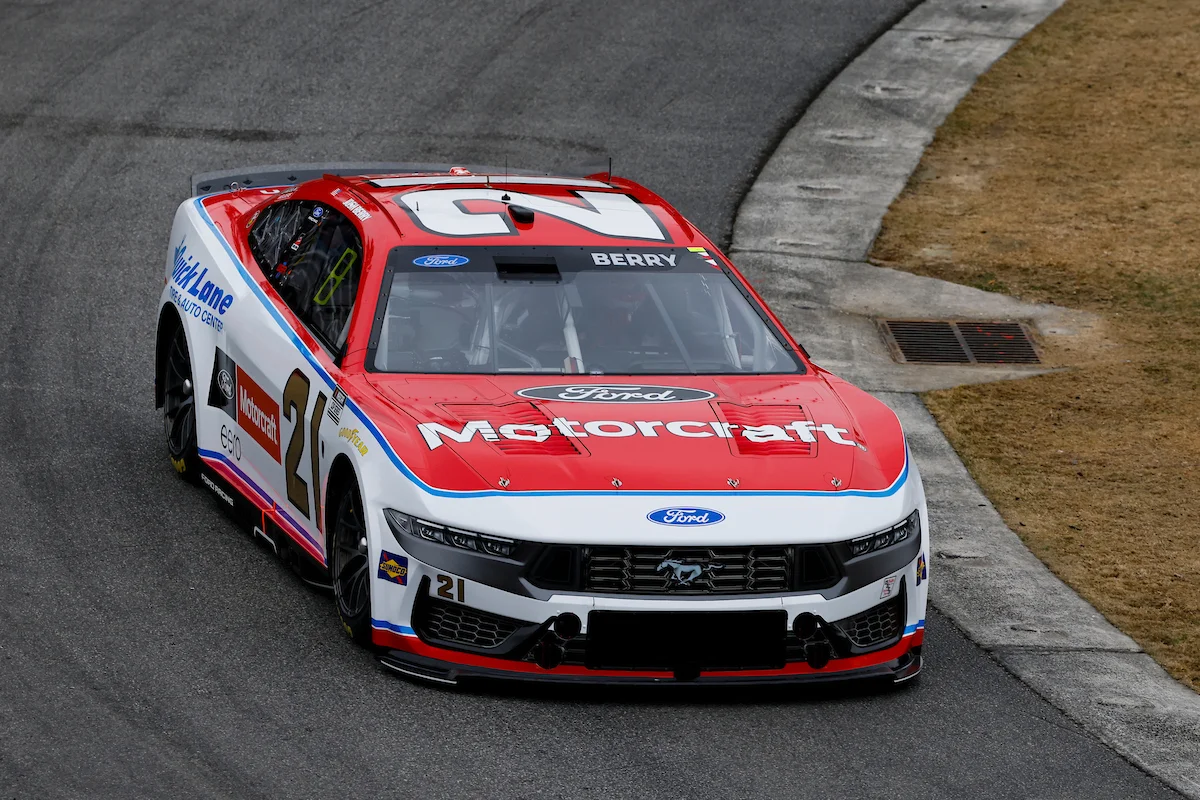
Daytona also offers a vastly superior infrastructure for spectators and tourists, including a wide range of entertainment options and amenities unmatched by Winston-Salem. The seating capacity difference is notable: Bowman Gray accommodates roughly 17,000 to 18,000 fans, whereas Daytona International Speedway can host over 100,000 attendees. This disparity represents a significant potential boost in ticket revenue for NASCAR’s season-opening exhibition.
Still, critics of the Daytona venue suggest that the Clash’s past presence at the track sometimes felt more like an extension of practice sessions for the Daytona 500 than a distinct, high-profile event. This dynamic prompted NASCAR to experiment with smaller venues to create a unique identity for the race.
NASCAR’s Investment in Bowman Gray’s Short-Track Appeal
NASCAR has demonstrated its commitment to the Bowman Gray setup, backing a $1 million scoreboard upgrade funded jointly by the city of Winston-Salem, Winston-Salem State University, and Winston-Salem Speedway LLC. The sanctioning body has also pledged to hold five Clash events at the stadium through the 2027 season, signaling continued support for the venue’s role in the sport’s future.
Bowman Gray offers a racing experience unlike that of larger superspeedways, featuring intense, door-to-door competition on a compact quarter-mile oval that delivers excitement when track conditions cooperate. The venue aligns with NASCAR’s broader effort to reconnect with its short-track roots, mirroring similar initiatives such as the recent revival of North Wilkesboro Speedway for the All-Star Race, which has resonated strongly with long-term fans.
However, Wednesday’s weather disruptions highlighted the inherent risks of holding a February race in North Carolina. Repeated delays disrupted travel plans for fans and teams, while the slick track surface raised concerns about driver safety so close to the high-profile Daytona 500. These issues have intensified discussions over whether the Clash’s location serves NASCAR’s best interests in balancing fan experience, financial considerations, and logistical stability.
Ongoing Debate Shapes Clash’s Future Prospects
The controversy surrounding this year’s event underscores NASCAR’s ongoing challenge of balancing innovation and tradition within its schedule and venues. The experiments with short tracks versus the historical familiarity of superspeedways reveal divergent fan expectations and operational hurdles. As the sanctioning body looks beyond 2027, the performance and reception of the remaining events at Bowman Gray will be essential in deciding if the Clash remains at the “Madhouse” or returns to the established environment of Daytona International Speedway.
“The race was a chaotic and caution-filled marathon, but Ryan Preece proved resilient in claiming victory.” ?Unnamed source
“We want to bring the Clash back to Daytona because the weather there is predictable, and the fan experience is unmatched.” ?Industry insider
