
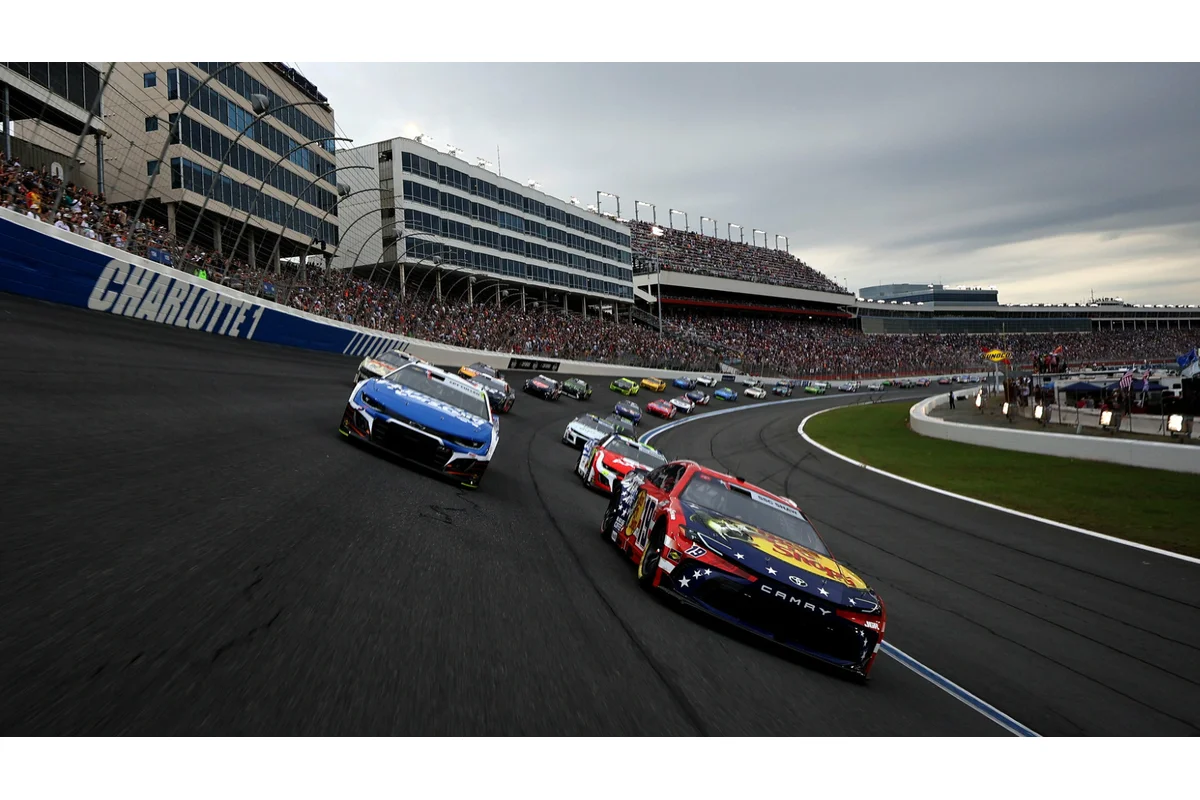
NASCAR is actively reconsidering the future format and location of the Cup Series Clash, provoking contrasting opinions from insiders on whether the event still holds a vital place on the racing calendar. This debate centers on balancing tradition with modern appeal as the sport seeks to keep fans engaged and maintain the Clash’s relevance.
Jordan Bianchi Advocates for a Return to Daytona’s Traditional Setup
Jordan Bianchi argues for reviving the Clash at Daytona International Speedway with a simpler, condensed format inspired by the original Busch Clash. He suggests trimming the field to pole winners and limiting the race to about 20 laps, which would create a fast-paced, roughly hour-long race that captures the spirit of NASCAR’s past.
According to Bianchi, this approach could reduce the unpredictable chaos often linked to superspeedway races and lower expenses for teams. He also stresses the challenges of weather conditions, pointing out the risks of hosting the event in colder venues.
I loved the 20-lap pole-sitters-only race,
Bianchi said.
It was an hour-long deal. You’d flip it on, the race was over, and it was like, ‘Oh man, these guys are back.’
When you look around, it’s literally snowing right now,
he added.
I don’t want to be back here in a year or two fighting Mother Nature again.
Bianchi proposes using Daytona as a temporary home for the Clash until at least 2027, allowing NASCAR to evaluate the event’s future after that point.
Jeff Gluck Supports Innovation and Annual Movement Over Tradition
Jeff Gluck opposes returning the Clash to its Daytona roots, believing that venue had already run its course before NASCAR relocated the event to places like the Los Angeles Memorial Coliseum and the Bowman Gray Stadium. He recalls how the classic Daytona version lacked excitement and fan engagement.
There were so many times I’d be in the press box at Daytona looking out and thinking, ‘There’s nobody here,’
Gluck said.
It didn’t feel like the season was starting. There was no hype.
He views the move to LA as an unlocking of the Clash’s true potential, transforming it into something like a NASCAR Stadium Series with unique appeal.
When they moved it to LA, I thought, ‘Now I see what this event could be,’
he explained.
That felt like NASCAR’s version of a Stadium Series.
Despite acknowledging challenges like weather troubles and fading novelty, Gluck advocates for the event to shift locations every year to increase excitement and better promote the upcoming Daytona 500.
I think this has to be a one-year, move-it-every-year kind of event,
Gluck said.
If you’re not using this to promote the Daytona 500, then don’t just do it to check the box.
He further questions the inherent value of exhibition races without meaningful stakes or dramatic features, urging NASCAR to either turn them into points-earning events or develop something radically distinctive.
Either make them points races or do something totally wild and unique,
Gluck stated.
Stadiums, street-course mentality. Something that makes people say, ‘Hey, NASCAR’s back.’
The Challenge of Balancing NASCAR’s Heritage with Future Appeal
The vigorous exchange between Bianchi and Gluck highlights NASCAR’s broader dilemma: preserving the Clash’s historical roots while adapting to evolving fan expectations and promotional goals. Whether this leads to a Daytona revival, a nomadic model, or a total transformation, NASCAR’s top figures including industry observers like Greg Sankey and others will likely continue shaping the Clash’s identity amid strong fan scrutiny.
As the sport moves closer to deciding the Clash’s fate beyond 2027, this spirited debate signals deep uncertainty and urgency in defining how exhibition events can remain vital in a demanding sports landscape.
