
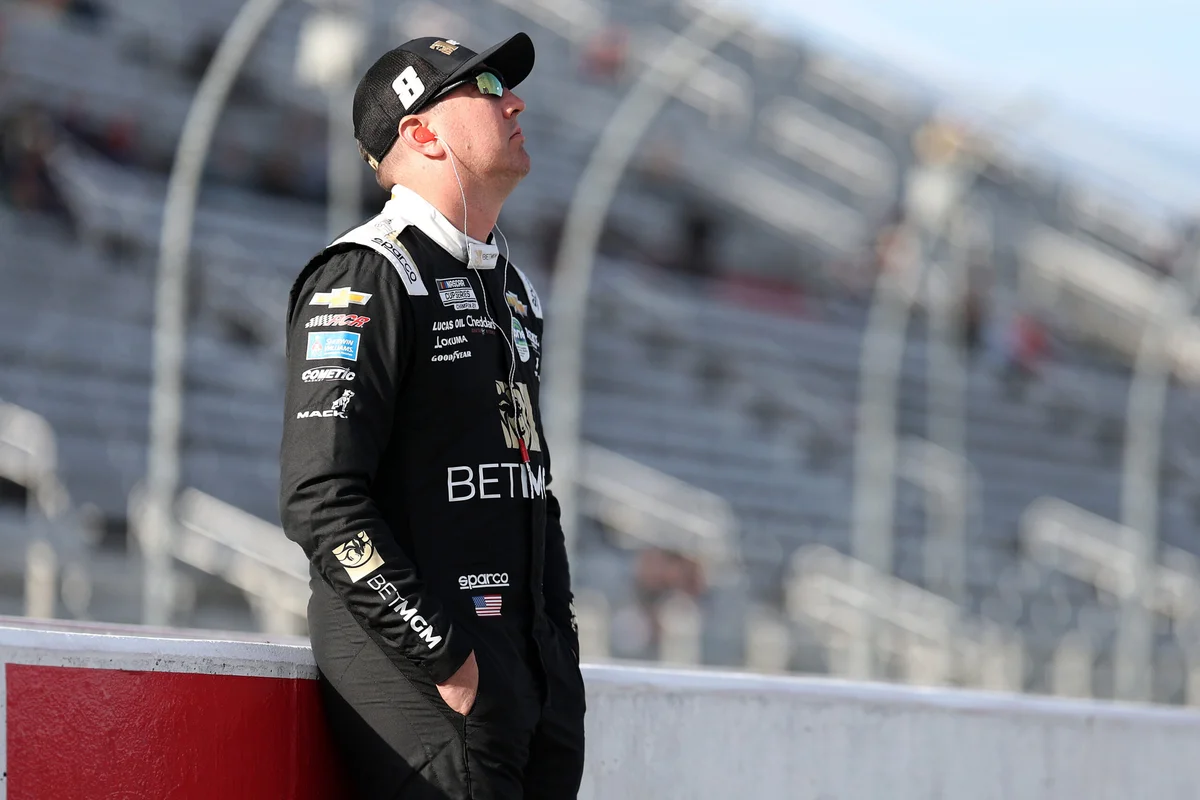
During The Clash, NASCAR drivers Denny Hamlin and Kyle Busch took a daring risk by choosing to stay on the track despite wet conditions, while most competitors opted to pit for safer setups. Their unconventional decision saw Hamlin finish in fifth place and Busch come in at 19th, stirring widespread discussion among fans and analysts about the merits and dangers of such a move.
Kevin Harvick Supports the Choice to Stay Out in the Rain
Contrary to the criticism aimed at their decision, veteran racer Kevin Harvick defended Hamlin and Busch’s approach, highlighting that their objective extended beyond immediate placement. Harvick pointed out that remaining on the wet track provided a valuable opportunity to gain experience managing slick conditions, critical for future races. He emphasized the importance of understanding how cars perform on wet-weather tires during these rare circumstances.
Harvick said,
Well, I wanna go back to one more thing from the race. We saw Kyle Busch and Denny Hamlin, a lot of these guys go into the pits, work on their cars to get back out on the racetrack in the wet. You’re gonna get in this position again. They were craving time on the racetrack.
The Importance of Data Collection and Adaptation
Harvick stressed that the real value of the gamble was in the information gained rather than on-the-spot results. He remarked,
To understand what they needed to do to get better, understand their race cars, and collect that data to know what they needed to do to their car in these rain conditions is invaluable,
outlining how this experience aids drivers and teams in refining their strategies for wet races. His comments shed light on how crucial adaptability and data collection are in a sport often dominated by dry conditions.
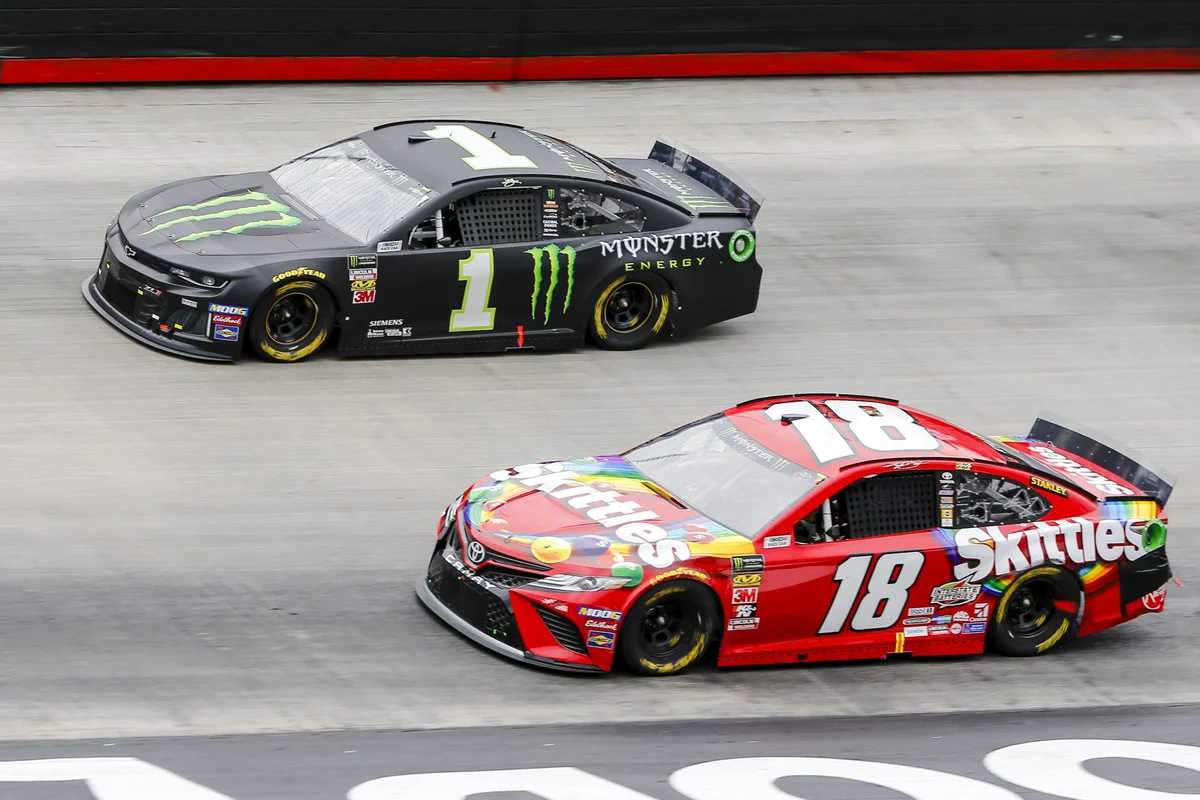
Challenging NASCAR’s Wet-Weather Stereotype
Addressing a common perception that NASCAR drivers tend to avoid racing in the rain, Harvick countered with a call for embracing wet conditions head-on. He declared,
If we’re gonna be in the wet-weather business, let’s just own it. The tires are good, the cars are capable, the drivers are capable.
This statement champions a shift toward confidence and capability in rain-affected racing, pushing the sport toward greater preparedness for adverse weather scenarios.
Harvick also pointed out the clean handling of tricky track conditions throughout the race, noting
none of the drivers ended up crashing into each other
despite the wet surface. He believes this shows that NASCAR vehicles and drivers can successfully navigate rain without compromising safety, encouraging teams to push beyond their comfort zones. He further added,
We just gotta quit worrying about it so much,
urging the racing community to experiment and embrace the unpredictability of wet weather.
Impact and Future Possibilities of Risks in Rain
As the discussion around Busch and Hamlin’s decision settles, the question remains about whether their gutsy choice provided a meaningful competitive edge. With Kevin Harvick’s strong support and the experience gained from racing through wet conditions, this calculated risk could very well influence how drivers approach similar situations going forward.
Looking ahead to the rest of the NASCAR season, wet-weather racing could become a defining challenge and opportunity. Whether other drivers will adopt Hamlin and Busch’s bold approach or continue to opt for conservative strategies remains uncertain. However, this episode signals a potential shift in mindset as teams and racers prepare for more variable weather, promising an electrifying and unpredictable racing environment.
