
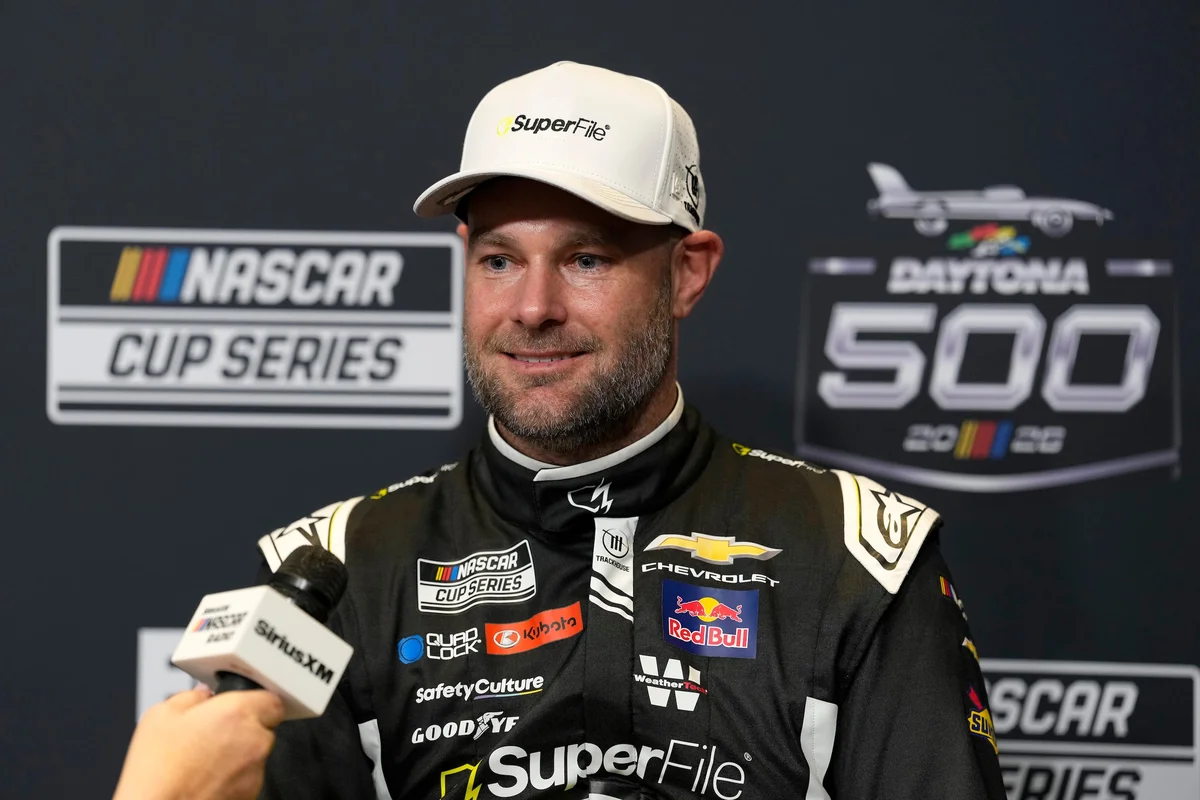
The 2026 racing season kicked off with notable activity as the Truck Series prepared for action at Daytona, where unfolding events focused attention on the Cup Series Duels held on Thursday. A pronounced lack of grip on the track caused turbulence throughout the races, and Denny Hamlin has shared insight into the contributing factors behind the instability that triggered incidents and driver struggles.
Hamlin’s explanation sheds light on the difficulties faced by drivers during this pivotal weekend at Daytona, where securing a good position for the main events, including the Daytona 500, remains the ultimate goal.
Key Performances and Emerging Concerns from Early Qualifying Sessions
The initial qualifying session on Wednesday showcased impressive performances, with JR Motorsports and Kyle Busch standing out for their speed. Justin Allgaier from JR Motorsports secured his spot in the main race for a second consecutive year, confirming consistent skill and strategy. Meanwhile, Kyle Busch demonstrated his determination to capture career win number 63 by clinching the pole position.
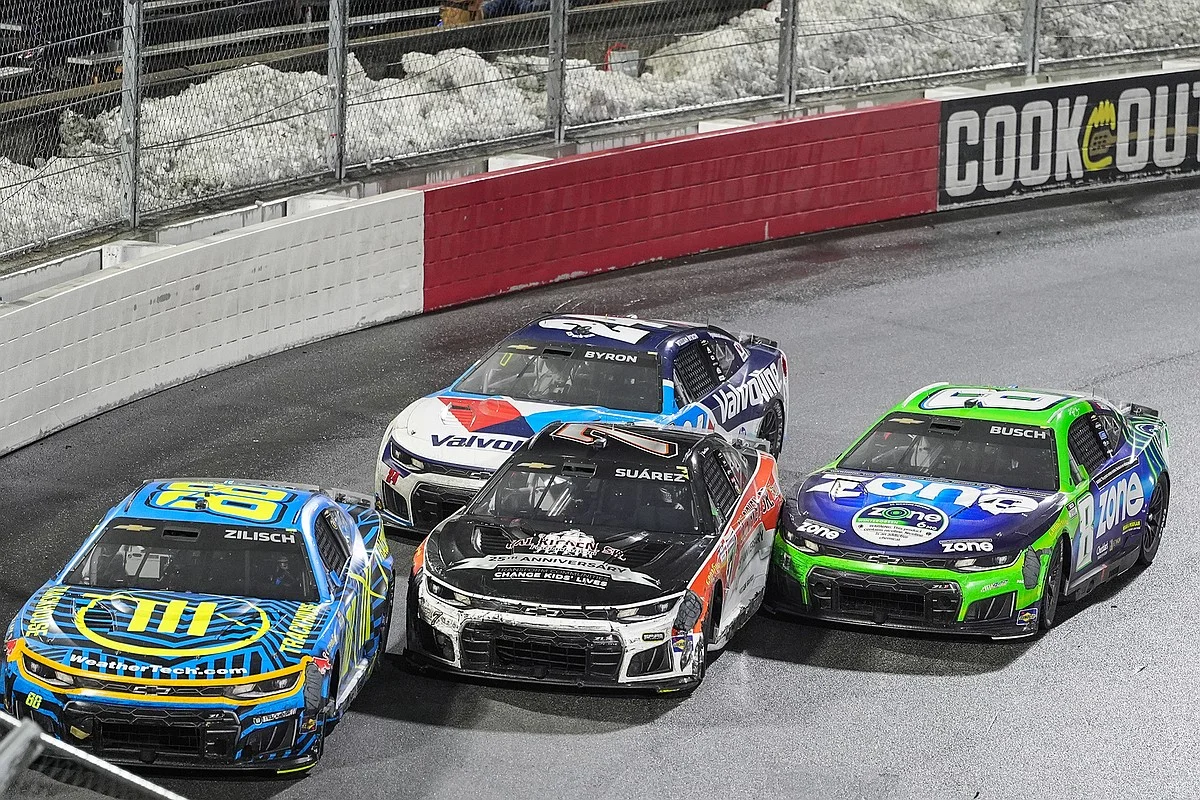
Despite these highlights, the focus quickly shifted to the Duels, which would finalize the remaining starting grid but instead sparked debate over track conditions. Drivers across the field, even those most experienced, encountered significant difficulties managing their cars due to the grip shortage, resulting in a tense atmosphere and multiple incidents.
Technical and Environmental Factors Behind Grip Problems at Daytona
Denny Hamlin, co-owner of 23XI Racing, attributed the grip issues partly to the natural aging of the Daytona track surface, which alters how cars interact with it each year. He also mentioned a specific design change involving a wicker on the A-post of the cars, intended to direct airflow away from the rear spoiler, which may have unintentionally reduced rear grip and car stability.
Hamlin stated,
“The track ages another year. It’s just, small differences that can make the cars a little bit more unstable than what they were in the past. We obviously have that wicker on the side of our A-post that deflects a little air from the spoiler, which also could contribute to it.”
?Denny Hamlin, 23XI Racing Co-owner
He also emphasized that the aggressive driving style—drivers pushing their vehicles hard in close quarters—exacerbated the instability, making the cars more prone to sliding and spinning out.
On-Track Impact and Challenges Faced During the Duels
Joey Logano, who secured victory in Duel 1, described experiencing the lack of grip firsthand, noting how his car swirled uncontrollably, especially when pressured by vehicles pushing from behind. This volatile handling contributed to several incidents, including a late spin that significantly reshuffled the field and heightened tension among drivers fighting for Daytona 500 qualification.
Among those competing for open entries, Casey Mears of Garage 66 ultimately earned a qualifying spot from Duel 1, while BJ McLeod of Live Fast Motorsports claimed the other.
Looking Ahead to the Races: Anticipation for Improved Conditions
With the full starting grid now established, focus turns to the upcoming races across all three series at Daytona. Fans and competitors alike hope for better grip and improved car control to reduce incidents and allow for more competitive, safer racing as the events unfold through the weekend.
The experiences from the Duels highlight the ongoing challenges posed by track aging and aerodynamic adjustments, factors that teams and NASCAR officials will likely continue analyzing to enhance performance and safety in future races.
Denny Hamlin on the nature of the racing Thursday and why the cars might be a little bit more out of control. @NASCARONFOX pic.twitter.com/qsahRIV9fB
— Bob Pockrass (@bobpockrass) February 13, 2026
