
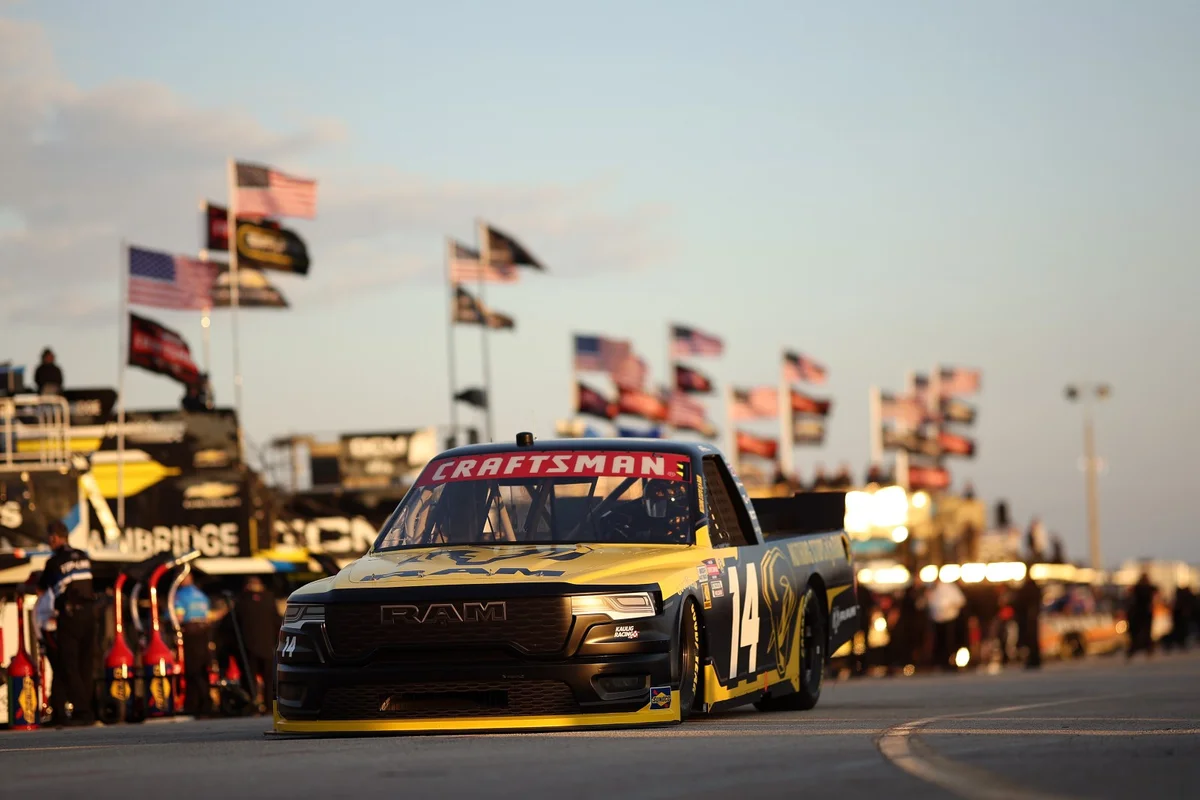
Despite the rapid shift toward electric and hybrid powertrains in many motorsports and consumer vehicles, NASCAR’s manufacturers are reaffirming their dedication to internal combustion engines. This decision reflects their belief that the loud, high-powered engines better suit NASCAR’s legacy and audience preferences.
NASCAR partners with four main manufacturers who guide the design and engineering of racecars. While these companies have explored electrification and hybrid systems in other racing formats, NASCAR’s unique characteristics set it apart. Ford Racing’s Pat DiMarco emphasized this distinction, stating,
“Yeah, we race in 34 countries around the world, 47 weekends a year; I think 36 different series. We have the opportunity to race hybrids in other series. We have the opportunity to run completely Internal Combustion here. It’s just not here in NASCAR that we feel that we need to bring hybrids or electrification at this point.”
?Pat DiMarco, Ford Racing
DiMarco also connected NASCAR’s approach to their consumer vehicles, saying,
“For us, our product in the showroom matches our product on the racetrack…. Down the road 20-30 years, who knows? Who knows what technology will bring in that. But currently in NASCAR, we’re happy with the formula we have.”
?Pat DiMarco, Ford Racing
Toyota USA President Tyler Gibbs highlighted the technical challenges electric power faces in NASCAR’s environment, noting,
“Yeah, it depends really on our fan base, and we know where our fan base is here. Again, when you look at the length of our races and some of these kinds of things, electrification is a little bit more challenging on racetrack like this where there is no regen or any of those kinds of things.”
?Tyler Gibbs, Toyota USA
Chevrolet’s Eric Warren added insight into the technical hurdles, explaining,
“The energy requirements in this form of racing are totally different. The weight of the car, the accelerations and how you would implement is not really suitable here as much as it is at other series, so I think that drives a lot of it. There’s not really an added benefit to the sport as a whole.”
?Eric Warren, Chevrolet
Together, these perspectives highlight manufacturers’ belief that introducing electric power would currently create more difficulties than advantages within NASCAR’s framework. Fans continue to cherish the distinctive roar of combustion engines, and preserving that connection remains a priority.
NASCAR Weighs Tradition Against Emerging Technologies
While embracing internal combustion engines firmly, NASCAR is quietly exploring new technologies that could shape its future. Collaborating with ABB, the sport has developed a test vehicle capable of running various power sources. This approach allows innovation to proceed without disrupting the core racing format or traditions.
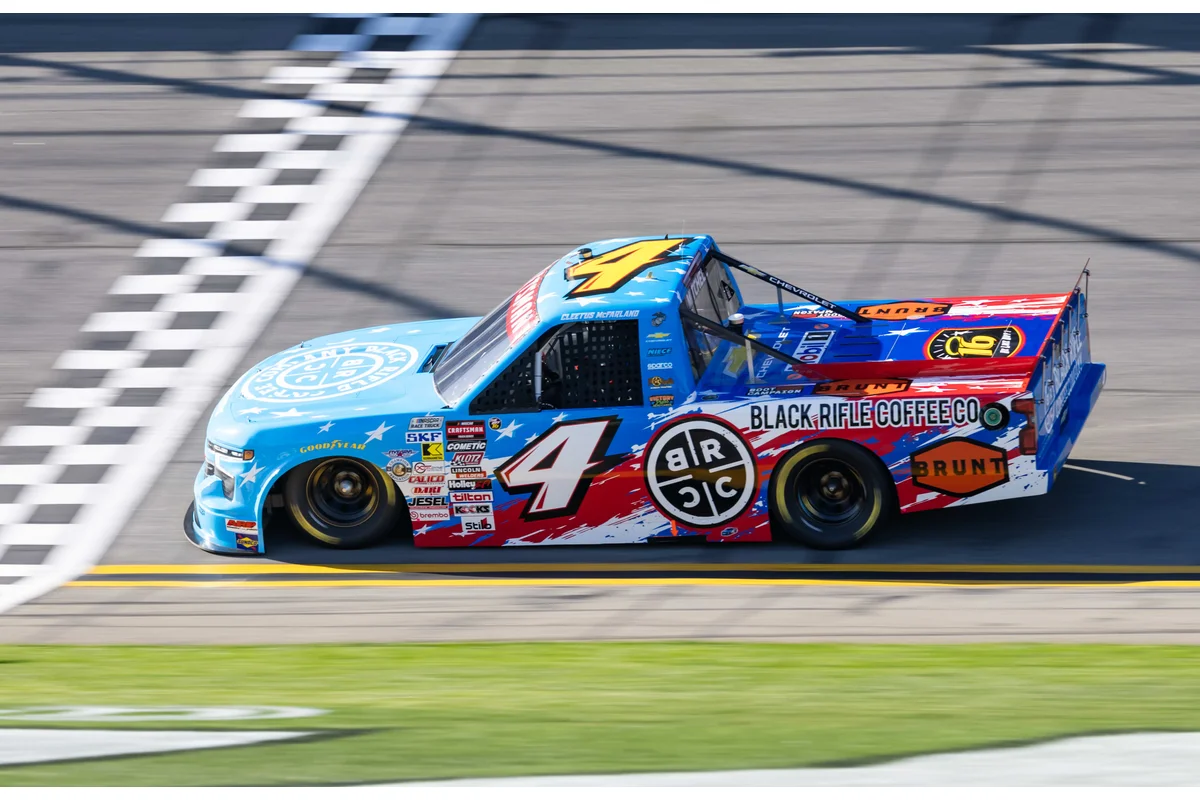
Stellantis, a major manufacturer and NASCAR participant, exemplifies this balance by maintaining its focus on combustion engines while preparing for future possibilities. Kevin Kidd, Stellantis’s North American motorsports competition director, remarked on the company’s approach,
“I think our core business is to bring the customers what they want to buy and really give a good offering of that in the marketplace. What’s unique for us and unique about NASCAR is this is about raw American horsepower. This is fire breathing muscle cars, and that’s part of our brand.”
?Kevin Kidd, Stellantis
Ram’s reintroduction to the NASCAR Truck Series reflects Stellantis’s commitment to the sport’s traditional values, blending performance, heritage, and customer appeal. Although fully electric engines are currently off the table, the potential for alternative fuels presents a pathway to reduce emissions while maintaining the engines’ powerful sound and feel.
This compromise between sustainability and tradition aligns with both environmental trends and fan expectations. Vehicle engineers continue to analyze alternative energy options and hybrid technologies particularly through controlled test programs, ensuring NASCAR remains ready to adapt should the market or regulations evolve.
Preserving NASCAR’s Identity Through Power and Sound
The ongoing preference for internal combustion engines underscores NASCAR’s identity deeply rooted in visceral horsepower and engine noise, elements that its fanbase strongly values. Manufacturers and NASCAR executives acknowledge that altering this core aspect could risk losing the emotional and traditional connection that defines the sport.
As the industry explores greener alternatives in other racing venues, NASCAR’s cautious stance reveals the complex balance between innovation and heritage. The sport’s future developments will likely focus on technologies that maintain the thrilling sensory experience of NASCAR races while gradually responding to environmental challenges.
For now, the sport’s commitment to roaring engines and powerful combustion remains firm, ensuring that fans continue to witness and hear the raw intensity of NASCAR racing on tracks across the United States and worldwide.
