
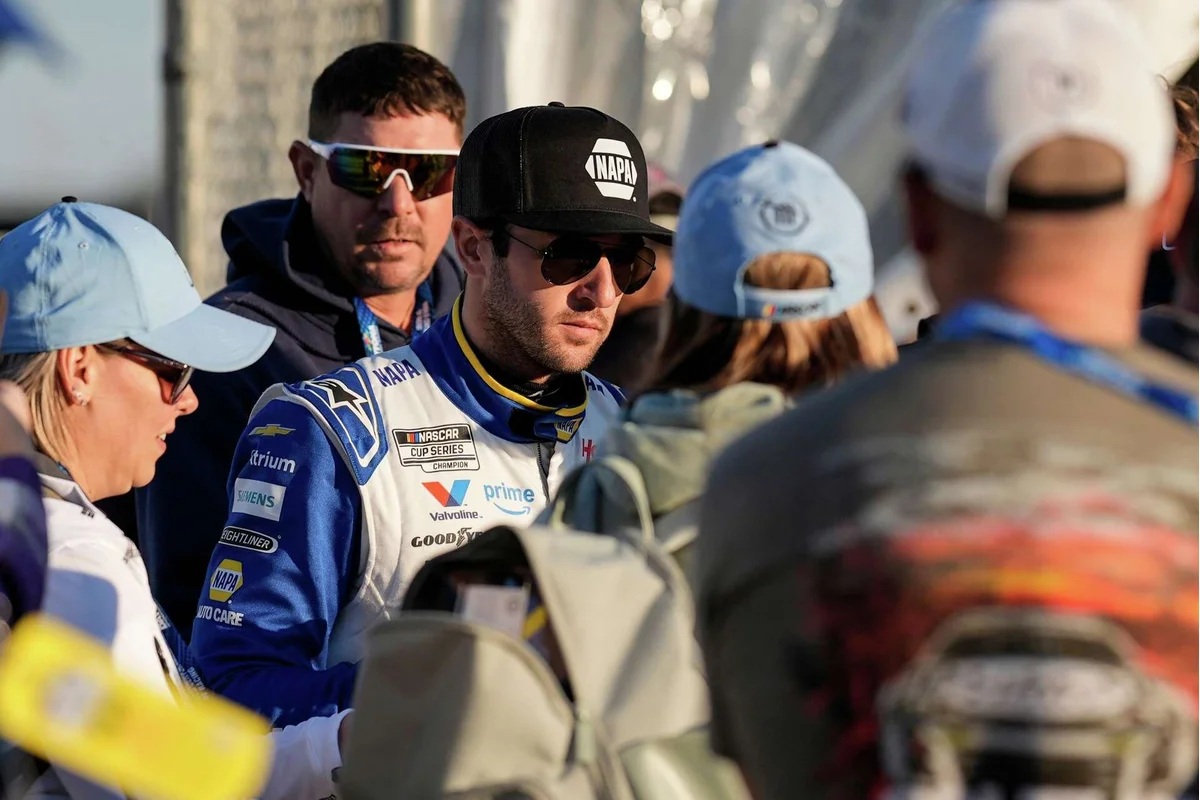
Chase Elliott came close but did not score a victory at NASCAR’s Daytona 500 on Sunday, finishing fourth after a late-race reshuffle led by Tyler Reddick. Despite missing the win, Elliott’s performance demonstrated his No. 9 car’s speed and composure, suggesting he has the early-season momentum necessary to contend at EchoPark Speedway, located about 400 miles north.
How Elliott’s Daytona Drive Showed Control and Patience
At Daytona, Elliott avoided reckless moves and skillfully managed the high-speed traffic, balancing aggression with caution. He stayed close to the leaders without taking unnecessary risks — a strategy crucial to success on drafting-dependent circuits. EchoPark Speedway, where the upcoming race will be held, requires similar discipline.
Since its 2022 redesign, the Atlanta track has evolved from a traditional 1.5-mile intermediate to a faster, more drafting-oriented venue, with higher banking and superspeedway-style rules tightening the pack and speeding momentum shifts. Success at EchoPark depends on managing airflow and timing moves precisely — strengths Elliott has proven repeatedly on this circuit.
Elliott’s 2025 win at Atlanta came from a carefully timed move on the final lap, underscoring that patience and precision, rather than brute force, are key to winning on this fast, unforgiving track.
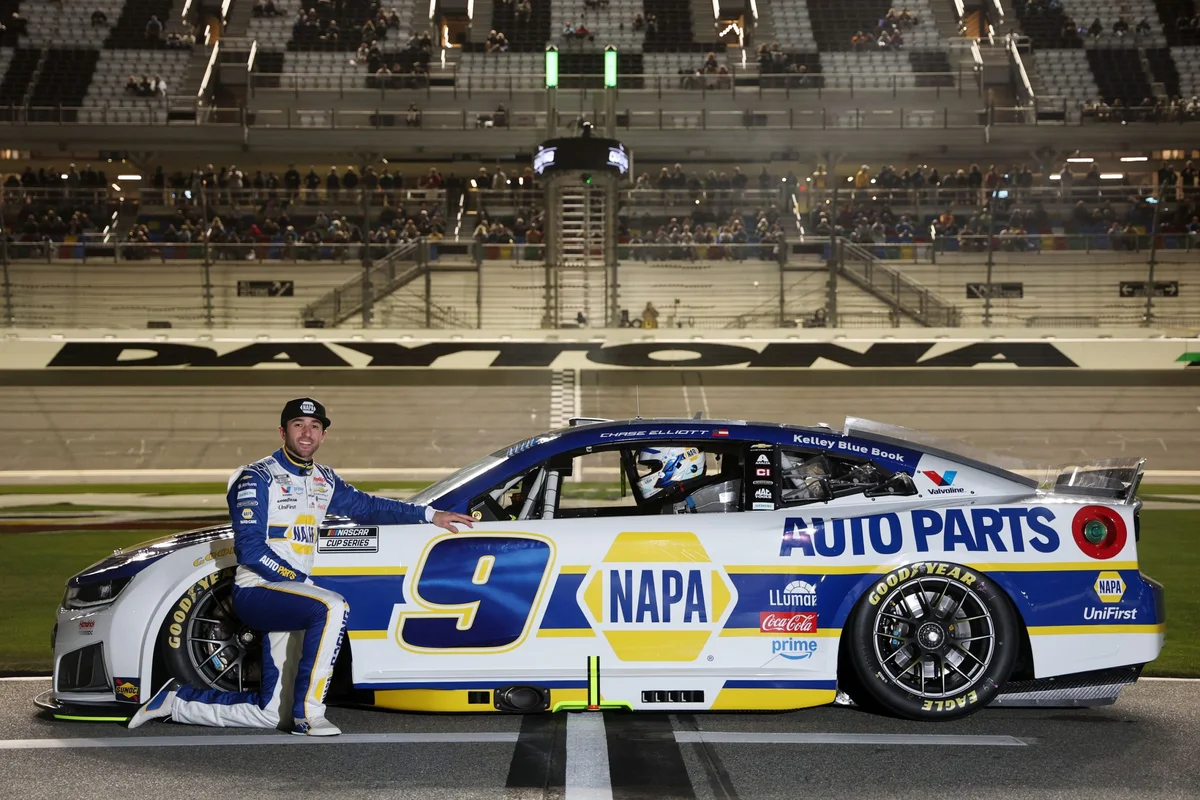
Why the Track Aligns with Elliott’s Driving Style
Elliott has collected three wins on the Atlanta track’s new drafting-style layout, including victories in the 2022 summer and 2025 summer races, as well as the 2022 Talladega fall event. His win last summer was especially notable as it broke a 44-race winless streak and energized his campaign in front of an audience close to home.
Hailing from Dawsonville, Georgia, just an hour away from the track in Hampton, Elliott is one of the few NASCAR drivers with a true home track advantage. This local connection adds motivation and familiarity heading into races at EchoPark Speedway.
Through the Next Gen era, Elliott has amassed eight wins, many on tracks where managing the draft and timing moves are crucial. This is a skill Elliott has honed deliberately, making tracks like Atlanta an ideal place for him to excel.
Challenges Ahead: The Unpredictability of Atlanta Racing
Atlanta’s racing environment is known for its chaos and unpredictability, a factor that can challenge even the most skilled drivers. Elliott’s near-victory at Daytona serves as a reminder that being well-positioned in the final laps does not guarantee a win.
The fine line between maintaining control and succumbing to chaos was on full display in Daytona’s last moments, and similar scenarios could unfold at EchoPark. The winner may ultimately be the driver who times the late restart perfectly rather than the outright fastest car.
If the race boils down to a shootout within the final 15 laps, precise execution will be critical in determining the outcome.
Elliott’s Current Standing and Outlook for the Weekend
At 29, Chase Elliott enters this weekend’s race comfortably positioned in the top five of the standings after Daytona’s opener, providing a strategic advantage early in the season. Atlanta represents a prime opportunity to build momentum as the schedule soon transitions to more traditional intermediate tracks and road courses.
Achieving back-to-back victories would reinforce that Elliott’s resurgence last summer was not a fleeting success but a sustained return to form for both the driver and the No. 9 team.
The upcoming events begin with Cup Series qualifying on Saturday at 11 a.m. ET, leading into the 400-mile race on Sunday at 3 p.m. ET in the Peach State, where Elliott aims to leverage his home track connection and past success to secure another win.
