
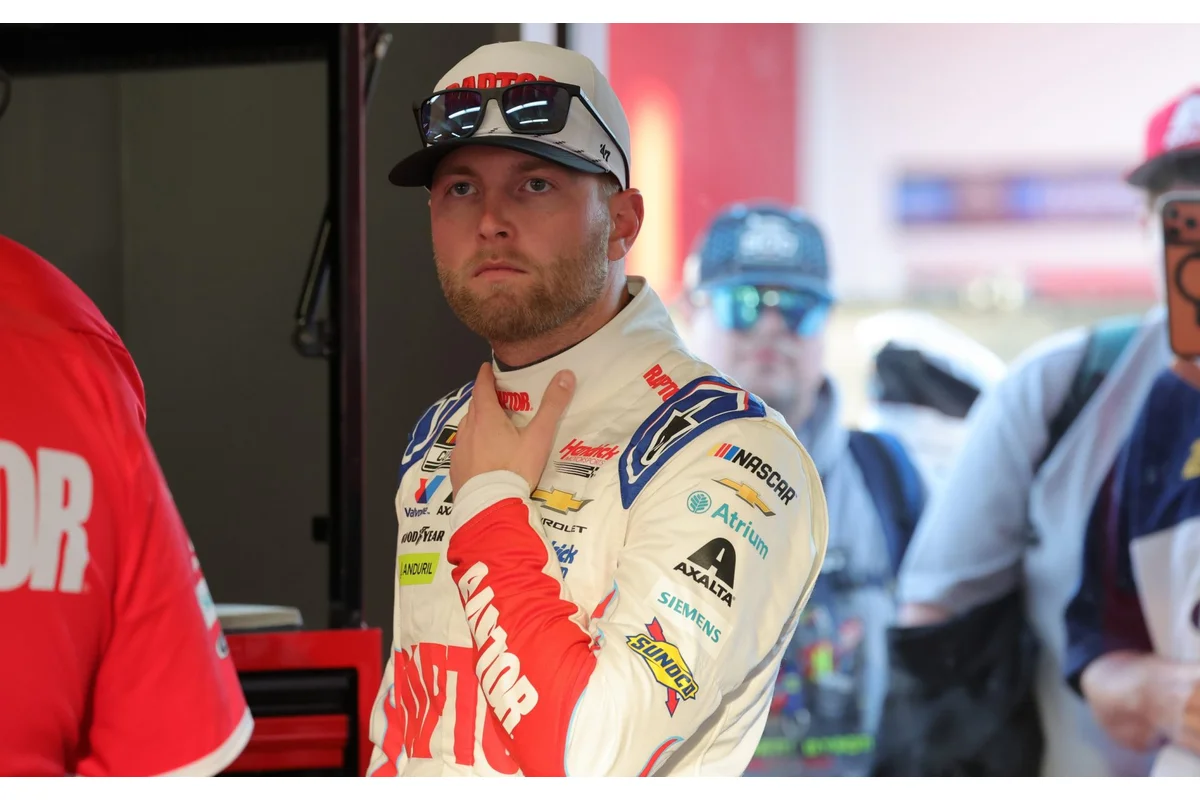
William Byron and Kyle Larson faced a chaotic day at the Atlanta race, with both Hendrick Motorsports drivers involved in significant incidents. Byron’s race came to an abrupt end in a massive wreck late in the event, which eliminated 11 cars from contention. The crash unfolded during the closing laps of the 260-lap contest, with Byron’s No. 24 Chevrolet losing control and triggering the pileup that extended the race into double overtime. The incident highlighted the challenges Byron faced trying to keep his car intact despite earlier damage.
Sequence of Events Leading to the Multi-Car Collision
Byron spent much of the race running inside the top five, gathering valuable stage points after finishing fourth in Stage 1. However, with just three laps remaining, his car’s handling deteriorated, causing it to brush the outside wall. Attempting to slow down and make it back to the pits, Byron’s vehicle lost steering control. As he moved lower on the track, Austin Cindric collided with him, sparking a massive chain reaction that halted the race with a red flag.
Byron accepted full responsibility for the crash, explaining that the earlier damage to his car affected grip and steering, forcing him to take risks in search of clear air on the track.
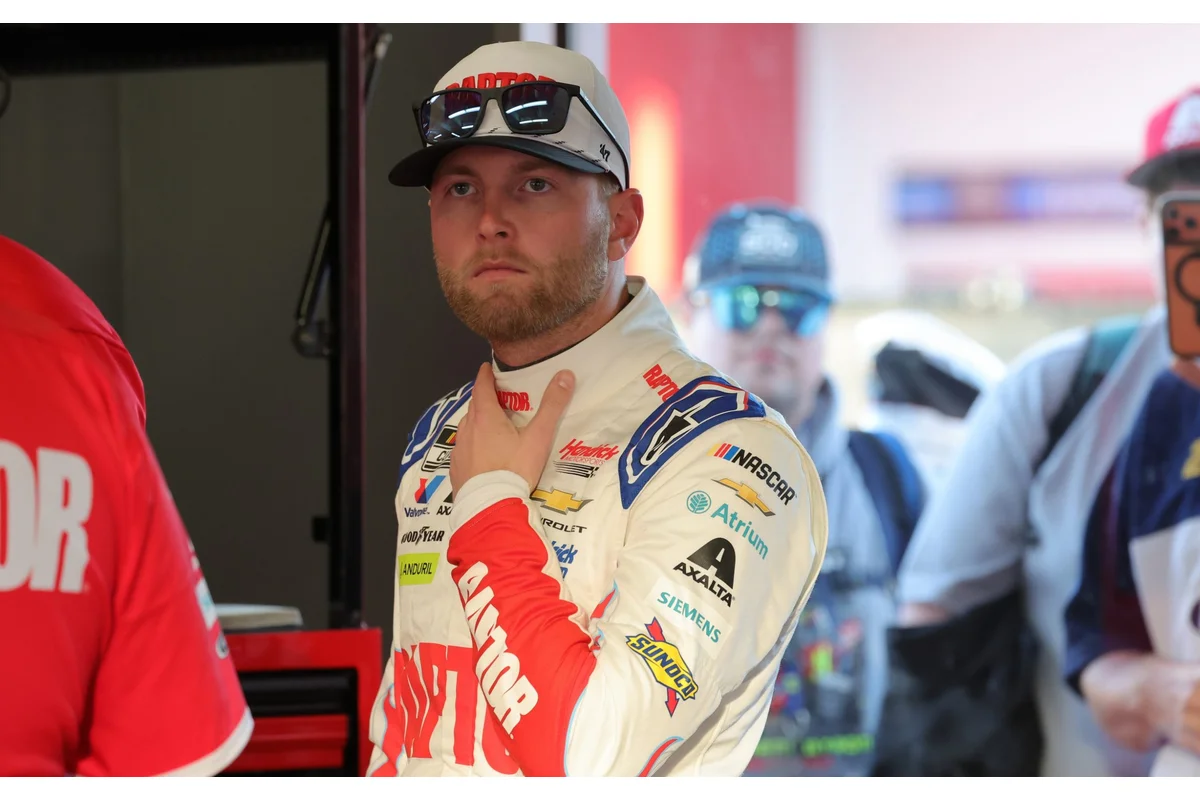
No, no. Actually, I had damage from the wreck before, so my front end was kind of split a little bit, and I just didn’t have as much grip, so I was searching for air and got loose. So it was on me. I just messed up. I was pushing hard and had to kind of put myself in some weird spots based on the damage. But, yeah, nothing like that, no tire.
William Byron, NASCAR Driver
Byron Reflects on the Race’s Turbulence and His Position Prior to Wreck
Despite the frustration that accompanied the crash, Byron noted the race was already intense as it neared its conclusion. He sensed he was in a competitive position, anticipating a solid finish within the top five, even though the prior damage limited his chances of contending for the lead.
It was wild. Yeah, I mean, it was getting really wild there at the end. I felt like I was in a good spot to at least get a good finish. I don’t think I was going to be able to lead with the damage, but I was going to try to kind of mix myself in the top five, and I think I was like fifth or sixth right there. So it was crazy, but I mean, nothing out of the ordinary really.
William Byron, NASCAR Driver
Impact of Earlier Damage on Byron’s Late-Race Control
The handling problems stemmed from a significant mid-race incident on lap 224, which involved a stack-up that collected nine cars, including teammates Alex Bowman and eventual winner Tyler Reddick. While Byron had managed to continue through that crash, the resulting damage to his front end compromised his car’s grip and steering in the final laps.
As Byron tried to nurse his vehicle back to the pits, the steering faded completely, causing the car to drift toward the outside wall with every foot driven. The lack of control left him little room to react when Austin Cindric’s car made contact, triggering the multi-car pileup.
The Aftermath and Significance for Byron and Hendrick Motorsports
The chain reaction wreck underscored the delicate balance drivers face between aggression and control, especially when operating damaged cars near the race’s conclusion. Byron’s candid admission of fault reflects a driver grappling with frustration over a promising run cut short by mechanical and situational factors beyond simple error.
The effects of this crash ripple through Hendrick Motorsports, which saw two of its drivers severely impacted on the same day. For Byron and the team, the focus will now shift to recovery and regrouping for upcoming races in the season, aiming to avoid costly incidents and maximize performance when it counts most.
William Byron on what happened to him near the end of the Atlanta race (he didn't cut a tire) and ending up wrecked. @NASCARONFOX pic.twitter.com/0Ots0GM6Gb
— Bob Pockrass (@bobpockrass) February 23, 2026
