
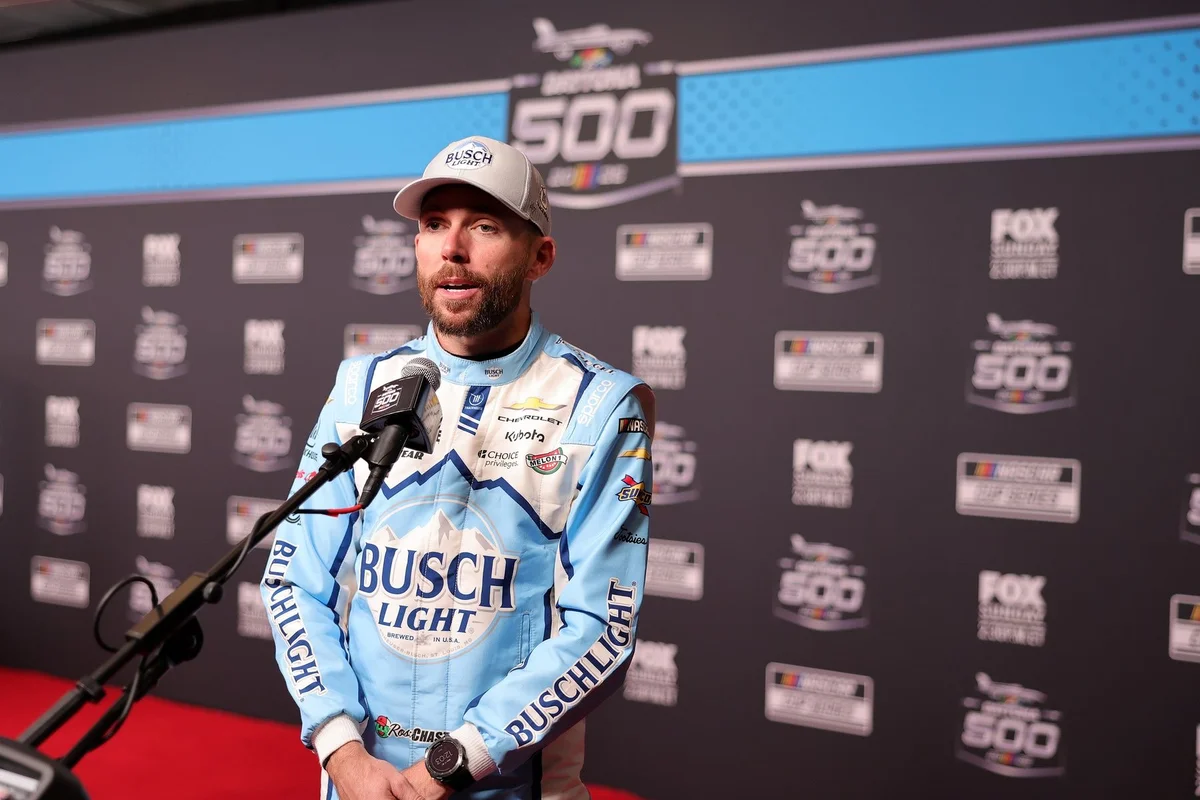
Ross Chastain played a pivotal part in the first overtime restart during the Autotrader 400 at Atlanta Motor Speedway on Sunday night, where his push to Carson Hocevar contributed to Christopher Bell losing control and being turned over. After finishing third, Chastain expressed envy over the speed demonstrated by the 23XI Racing Toyotas on the track, highlighting a notable difference compared to his own Chevrolet vehicle. The focus keyword, Ross Chastain NASCAR speed, is evident in his acknowledgment of the performance gap.
Tyler Reddick, driving the No. 45 Toyota Camry XSE, secured the victory, marking another win just a week after his Daytona 500 triumph. His teammate, Bubba Wallace, finished in eighth place, showcasing 23XI Racing’s continued strength. Chastain, competing with Chevrolet, admired the pace held by both Toyotas, which reminded him of the speed his car had when he first joined Trackhouse Racing.
Chastain’s Comments on 23XI’s Competitive Edge and His Team’s Progress
Speaking on SiriusXM NASCAR Radio after the race, Chastain compared the 23XI cars to the performance of the early Trackhouse Racing entries. He said,
“It feels like the old 1 car, which is good. That’s the good old days, that’s what we’re trying to find, and we had glimpses of it today. We’re not there yet.”
He further stated,
“We’re not 23XI. I know Tyler won, busted fender, that’ll be the story, but the 23 was the best car. Darrell [Wallace] drove a great race, most of the race, and his car was strong enough that he could kind of do stuff on his own.”
These remarks celebrate the strength of 23XI Racing while implicitly acknowledging the challenge Chevrolet faces in matching that level of competitiveness.
Chastain noted Wallace’s strong performance throughout the race, emphasizing the car’s capability to perform independently without relying heavily on drafting partners. Despite Wallace leading 46 laps and being in a favorable position to win before a defensive error at the overtime restart cost him places, the overall strength of the 23XI cars was clear.
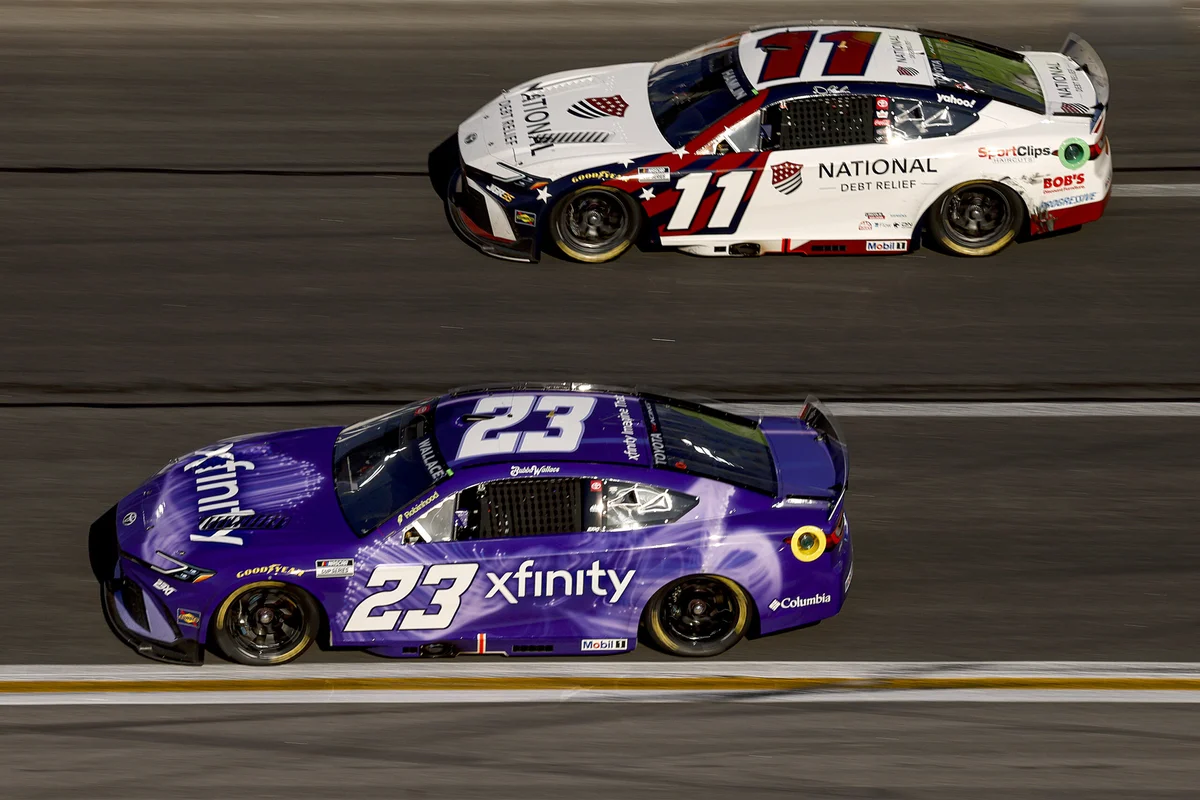
Reflecting on the performance gap, Chastain admitted,
“It was crazy. So, we’re not there. We’ll go back to the tech center at Chevy and back to Trackhouse and try to find it.”
This signals a commitment to improving Chevrolet’s speed and overall performance for future races.
Chastain’s Race Strategy and Limitations on the Final Lap
On the last lap, Reddick led Chase Briscoe through the backstretch. Briscoe deliberately refrained from drafting behind Chastain, a strategic move common on high-speed oval tracks to deny trailing cars a speed boost. This tactic left Chastain unable to gain the momentum needed to challenge for the lead, ultimately finishing third instead of contending for the win.
Chastain explained,
“Down the back, Tyler had another gear. The 19 was tandem to me off of [turn] 2. We never had anything. I feel like the 19 meant not to back up to me. No chance at that point.”
His comments reveal how crucial drafting and cooperative positioning are in NASCAR racing, especially during the final laps.
Despite missing out on victory, Chastain viewed the result positively, particularly after a disappointing 20th-place finish at Daytona the previous week. This performance indicated progress for the No. 1 Chevrolet and motivation for the team to continue closing the gap with 23XI Racing.
Implications for Chevrolet and Trackhouse Racing’s Future
Ross Chastain’s candid assessment of 23XI Racing’s speed advantage highlights the challenges Chevrolet faces in competing against the Toyota-backed team at top-tier tracks like Atlanta. The energy within Trackhouse Racing, combined with feedback from the technical center, will likely guide development efforts aimed at regaining the high-speed edge that Chastain recalls from earlier stages of his tenure.
As the NASCAR season progresses, improving vehicle speed and race strategy will be critical for Chastain and the Chevrolet teams to close the performance gap and challenge for victories consistently. The intense competition witnessed at Atlanta serves as a benchmark that both drivers and teams will use to refine their approach in upcoming races.
Ross Chastain on the @SiriusXMNASCAR Radio post-race show about his third-place finish: "It feels like the old 1 car, which is good. That's the good old days, is what we're trying to find, and we had glimpses of it today. We're not there yet. We're not 23XI. I know Tyler won,…
— Kelly Crandall (@KellyCrandall) February 23, 2026
