
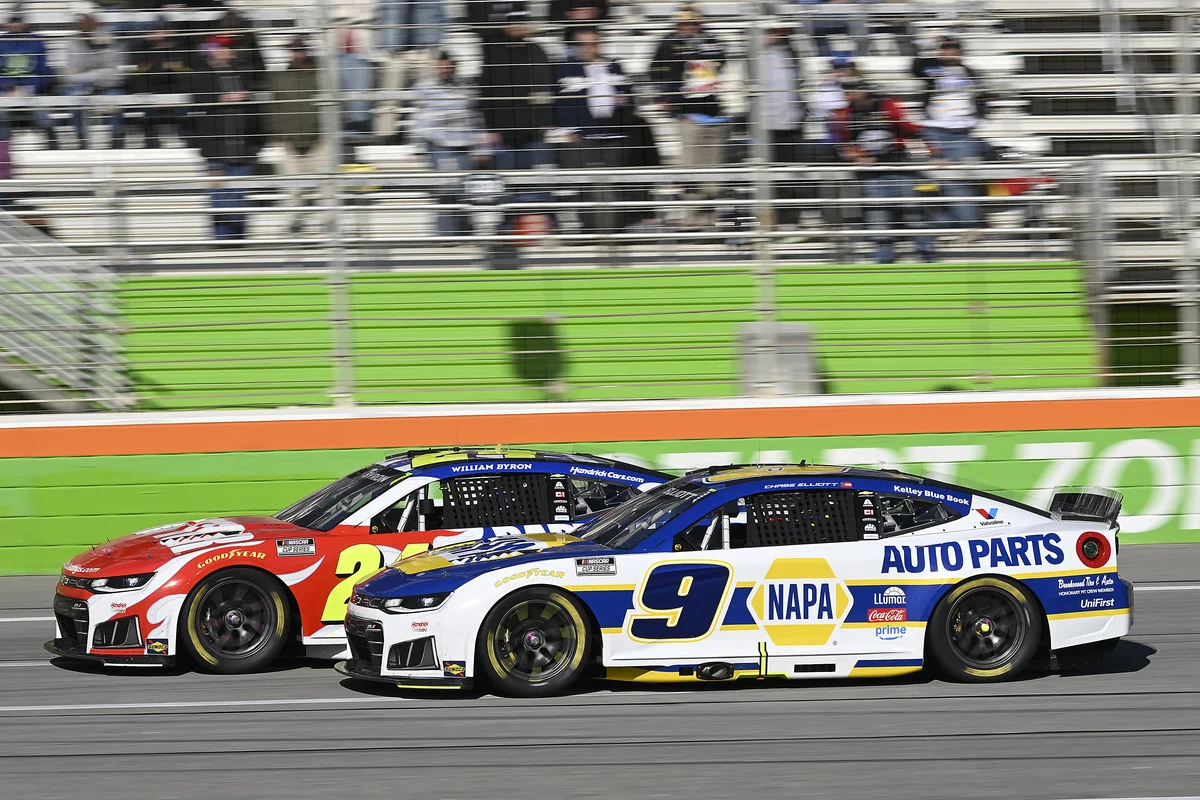
After witnessing the opening two races of the 2026 NASCAR Cup Series, Richard Petty stated that Echopark Speedway in Atlanta offers a superior racing experience compared to Daytona. Petty credits Atlanta’s track layout for delivering more authentic, competitive racing rather than chaotic finishes.
Petty, a legendary figure with six wins at Atlanta during his career, shared his perspective on the Petty Race Recap show, emphasizing Atlanta’s ability to foster multiple passing opportunities and dynamic battles on the track. This perspective aligns with observations from the season’s first two superspeedway events.
Atlanta’s Racing Versus Daytona’s Chaos in Early 2026 Cup Series
The 2025 Daytona 500 produced a wildly unpredictable finish that left many questioning whether it was true racing or just a high-speed gamble. Tyler Reddick claimed victory by leading only the final lap amid four-wide racing and crashes that eliminated contenders like Brad Keselowski and Joey Logano, who notably crossed the finish line backward in third place.
In stark contrast, the Autotrader 400 at Echopark Speedway showcased intense, strategic racing. Despite losing his right-front fender mid-race, Tyler Reddick battled through double overtime to secure a victory. The race featured multiple drivers contending closely, with the top five—Briscoe, Chastain, Hocevar, and Daniel Suárez among them—finishing within half a second.
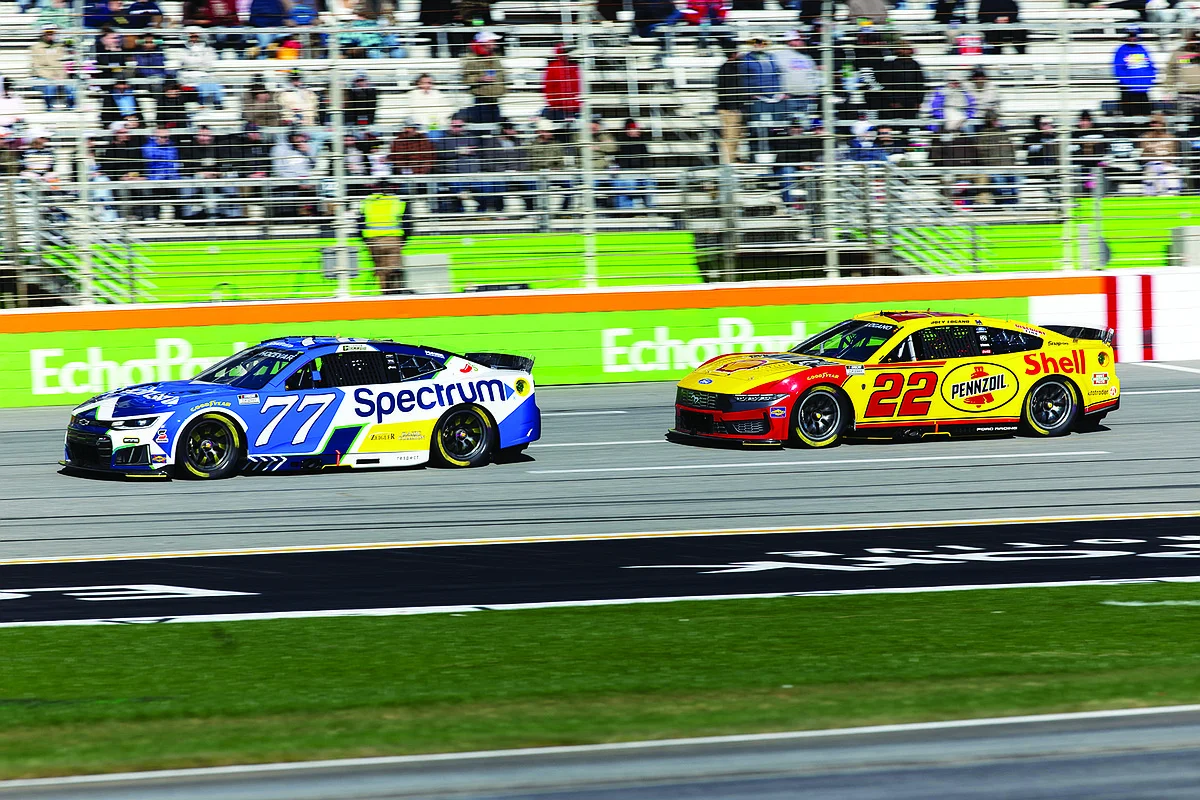
Real Racing Dynamics on Display at Atlanta
Petty highlighted Atlanta’s racing as featuring genuine competition, where drivers engage in continuous battle and decision-making, not just track position luck.
“What I like about Atlanta over Daytona, they can pass each other,”
Petty said.
“And then the other car can pass him back instead of being at the start-finish line beating the guy that much because he led the race.”
Throughout the Autotrader 400, even those starting far behind were visibly racing harder than some front-runners, demonstrating the level playing field Atlanta creates. For example, Carson Hocevar overcame early tire troubles and two laps down to finish fourth, while Shane van Gisbergen achieved a personal best finish on ovals in sixth place.
Meanwhile, Kyle Larson’s early promise ended abruptly with a crash on lap 160, and Adam Cindric made an impressive early charge from the back to win Stage 1 before being caught in late-race incidents and finishing 26th.
Key Strategic Decisions Shape Atlanta’s Racing Outcomes
Unlike Daytona, where leading laps often provides a distinct advantage, Atlanta’s racing demands tactical choices throughout the event. Petty noted,
“them people back in the back was racing harder than the guys up front.”
At Atlanta, decisions on tire changes, pit stops, and whether to push or hold position influenced the race repeatedly, maintaining uncertainty and excitement until the final lap.
During critical moments, Bubba Wallace led the final restart with Reddick pushing hard behind him. Wallace attempted to block Hocevar, who maneuvered through the middle aided by Chastain’s push, but Reddick ultimately surged past with help from Briscoe to seize the win.
The Importance of Atlanta in Modern NASCAR Racing
Richard Petty’s preference for Atlanta underscores growing concerns about the current state of NASCAR racing, where star power and competitive action can be inconsistent. The clear, strategic battles and multiple passing zones at Atlanta represent a contrast to the often unpredictable and wreck-filled finishes at Daytona’s superspeedway.
As the season develops, Atlanta’s style may set a benchmark for what drivers and fans both hope to see: skillful maneuvers, risk management, and authentic racing battles rather than reliance on luck or last-moment chaos. With notable figures like Petty highlighting these differences, the ongoing debate over NASCAR’s optimal racing venues remains very much alive.

