
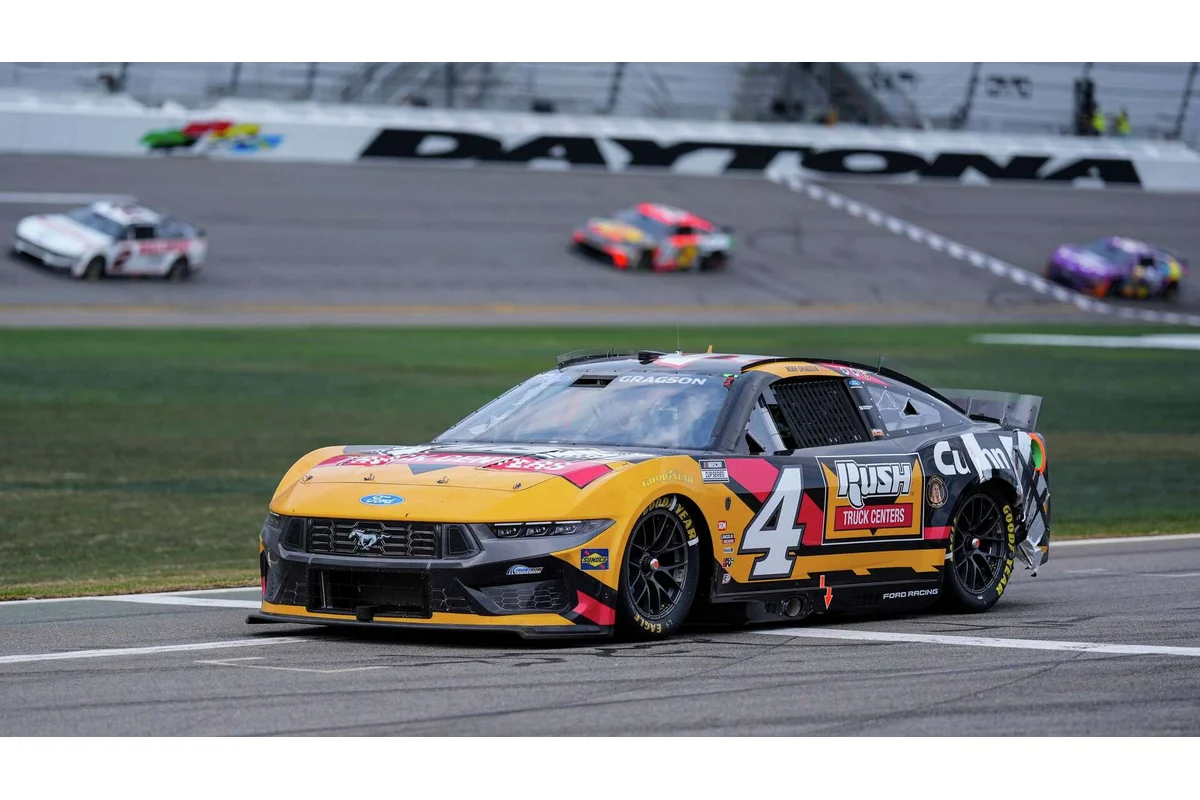
NASCAR revealed on Thursday that the 2026 All-Star Race will start with the entire Cup Series roster competing in a 350-lap event, using the full field rather than a select group of drivers. The race aims to provide a fresh twist by having all drivers take the green flag before narrowing the lineup to 26 for the $1 million final stage.
The plan involves two initial sprint segments of 75 laps each, replacing the traditional All-Star Open, which previously served as a preliminary race for non-qualified drivers. After the first sprint segment, NASCAR will invert the running order of the top 26 drivers, placing the leader in 26th position. Drivers who do not qualify for the final round will be those ineligible by normal criteria but with the lowest combined results across both sprint segments. This process ensures the final stage features only the top drivers qualified by either recent victories or champion status.
Race winners from both the 2025 and 2026 Cup Series seasons will automatically qualify for the final segment, with 17 drivers already confirmed. Former Cup champions also secure automatic entry, although all active full-time champions have recently won races, effectively securing their spots. Apart from one slot reserved for the Fan Vote winner, eight additional transfer spots will be decided on track during the initial segments.
Challenges Arising from the Expanded Field in All-Star Race
The decision to start with every driver introduces new challenges, as at least 17 competitors locked into the final stage might conserve their equipment rather than aggressively compete during the opening 125 laps. This dynamic could reduce on-track battles among front-runners early in the event, potentially diminishing excitement. Traditionally, the All-Star Open was a chance for lesser-known drivers to gain attention by racing without the overshadowing presence of top stars. This moment for emerging drivers might now be diluted by the presence of all top competitors throughout the race’s entirety.
Recent Changes and Shifting Venues Weaken the Identity of the All-Star Race
Since 2020, NASCAR’s All-Star Race has experienced frequent venue changes and format tweaks that have unsettled its identity. Originally held at Charlotte Motor Speedway, the race was moved to Bristol Motor Speedway in response to COVID-19 attendance restrictions and later shifted to Texas Motor Speedway. After reviving North Wilkesboro Speedway with a points-paying event, NASCAR selected Dover International Speedway to host the All-Star Race, treating the event increasingly as a consolation for underperforming tracks rather than a marquee showcase.
The consistent relocation appears to have diminished the All-Star Race’s tradition and appeal, leaving fans and participants alike uncertain about its significance. NASCAR’s experimentation with formats and venues aims to revive interest but has yet to restore the event’s status as a true standout competition on the calendar.
Potential for Renewal Through New Event Formats and Fan Engagement
Despite challenges facing the All-Star Race, NASCAR has found success experimenting with other exhibition events such as the season-opening Clash. This race, held at Bowman Gray Stadium, utilizes a short-track style format similar to local bullring racing, generating excitement despite its intentionally chaotic style. The Clash’s popularity demonstrates that creative approaches to race formats and venues can engage fans and maintain tradition simultaneously.
Whether NASCAR’s 2026 All-Star Race format will revive the event’s excitement remains to be seen, but the strategy to include every driver aims to widen participation and viewer interest. The adjustments reflect NASCAR’s ongoing efforts to balance competitive spectacle with fan appeal as the series continues evolving its premier attractions.
