
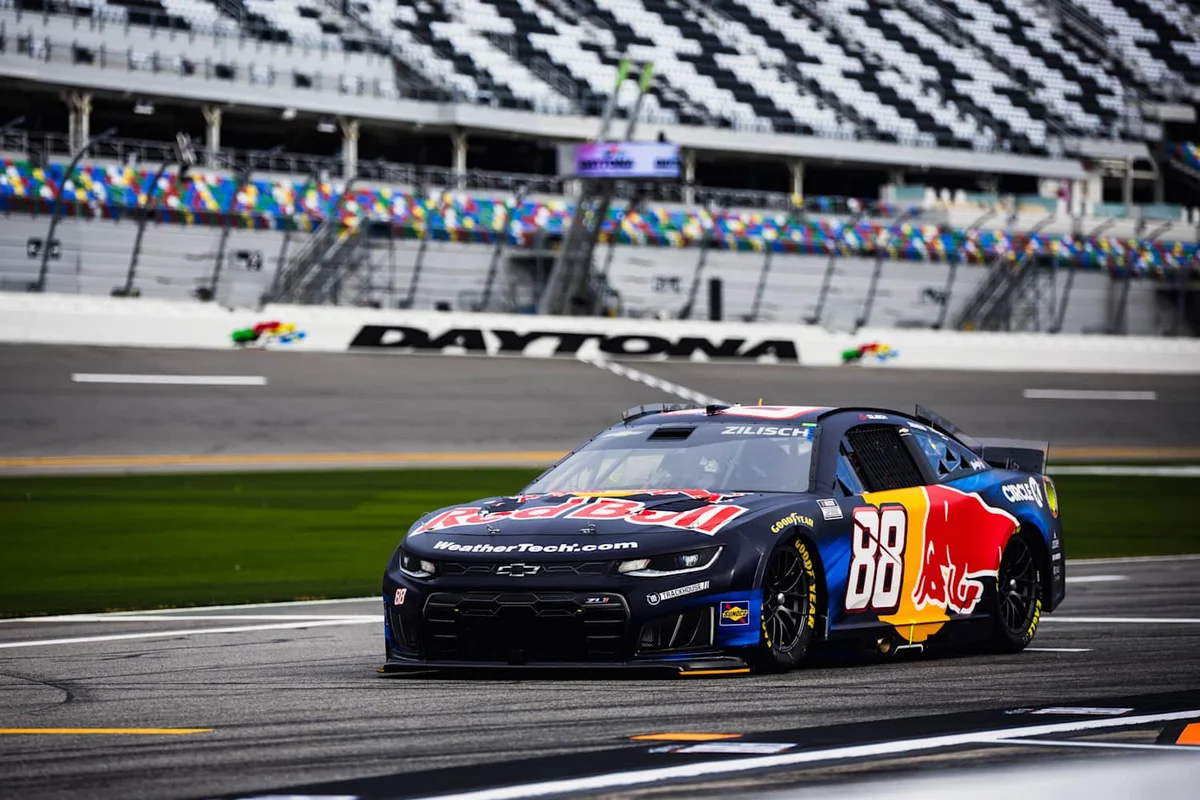
The recent alterations to NASCAR’s race format are prompting teams to reconsider how they approach each event. In particular, Connor Zilisch’s crew chief, Randall Burnett of Trackhouse Racing, revealed that the changes could significantly affect NASCAR race strategy variability, suggesting that traditional all-or-nothing approaches might no longer dominate. These modifications aim to balance the chase for victory with more strategic point accumulation throughout the race.
How Pit Stops Are Shaping Different Approaches
The renewed Chase format is causing teams to reevaluate their pit stop timing, both during short and long runs. Previously, many teams opted to pit early primarily to refuel and change tires in hopes of pushing toward a win, but now some will pit early while focusing on securing points rather than gambling everything at the front. Others may take completely different paths based on their car’s competitiveness and race position.
Insights from Randall Burnett on Emerging Strategies
Burnett explained,
“I think you’re going to see a mixed bag on that.”
He believes that front-runners will likely continue with early pit stops to hold track position and benefit from clean air. However, with stage points gaining importance, mid-pack teams might stretch their runs to maximize points during Stage 1 and Stage 2. Additionally, Burnett noted that teams running outside the top five might reconsider aggressive strategies.

He added,
“But I do feel like, there may be some different strategy for guys fifth on back on that of that that might normally pit before the stage break that might reconsider that and kind of look at and evaluate their pace for the day and say, ‘Man, we don’t have a top five car. Let’s go ahead and get the points in front of us.’”
Expected Variety in Team Decisions During Races
Burnett highlighted that the evolving format will lead to more diverse pit stop strategies across the field.
“So, I do think you’re going to see a little bit of variability from that from what we’ve seen in the past on who stays out and who doesn’t,”
he emphasized. Yet, only the top 10 positions earn points, meaning that many teams must aggressively pursue favorable finishes to keep their playoff hopes alive. This creates tension where drivers near the back may take greater risks despite the challenges.
Strategic Uncertainty and Its Impact on Race Outcomes
According to Burnett, the first stage of each race is expected to become a tactical battle. No single approach will dominate the garage as fast cars protect track position, mid-level teams prioritize points collection, and backmarkers gamble on unconventional choices. This mixed strategy environment is likely to introduce new complexities for crews and fans alike, as the pit box becomes a center of unpredictability and rapid decision-making.
The changed NASCAR race strategy variability introduced by these new rules marks a shift from conventional playbooks, potentially redefining how races unfold and how teams manage the balance between risk and reward. As teams adapt, this period could see increased tension and confusion, but also more nuanced competition, keeping the sport both challenging and engaging for everyone involved.
