

At the DuraMAX Grand Prix held at Circuit of the Americas (COTA) on March 1, 2026, AJ Allmendinger suffered severe heat exhaustion that forced him out of the NASCAR Cup Series event despite finishing in the top 10. Competing in extreme heat without a functioning cooling system inside his cockpit, Allmendinger battled to maintain his position but eventually collapsed after the race.
Allmendinger’s heat exhaustion came amid harsh weather conditions that had already affected other drivers earlier in the weekend, such as rookie Tyler Reif in the Truck Series racing event in St. Petersburg. The intense heat proved to be a critical challenge for multiple drivers, underscoring how dangerous these temperatures were during the weekend’s races.
Failing Cooling Suit Worsens Driver’s Condition
The Kaulig Racing driver started the race strong, maintaining a spot inside the top 10 for much of the event. However, the malfunction of his cooling suit turned his race into a physical ordeal. Instead of cooling his body, the damaged suit circulated warm fluid, intensifying the heat Allmendinger endured within the confined cockpit. Adding to his struggle, the fan inside his helmet also failed, removing another vital line of defense against extreme temperatures.
Despite these impediments, Allmendinger managed to finish ninth, showcasing his determination and skill. However, upon exiting the vehicle, he was visibly affected by the heat and required assistance onto a stretcher before being transported to the infield care center for medical evaluation. After treatment, Allmendinger was released, indicating no lasting severe injuries.
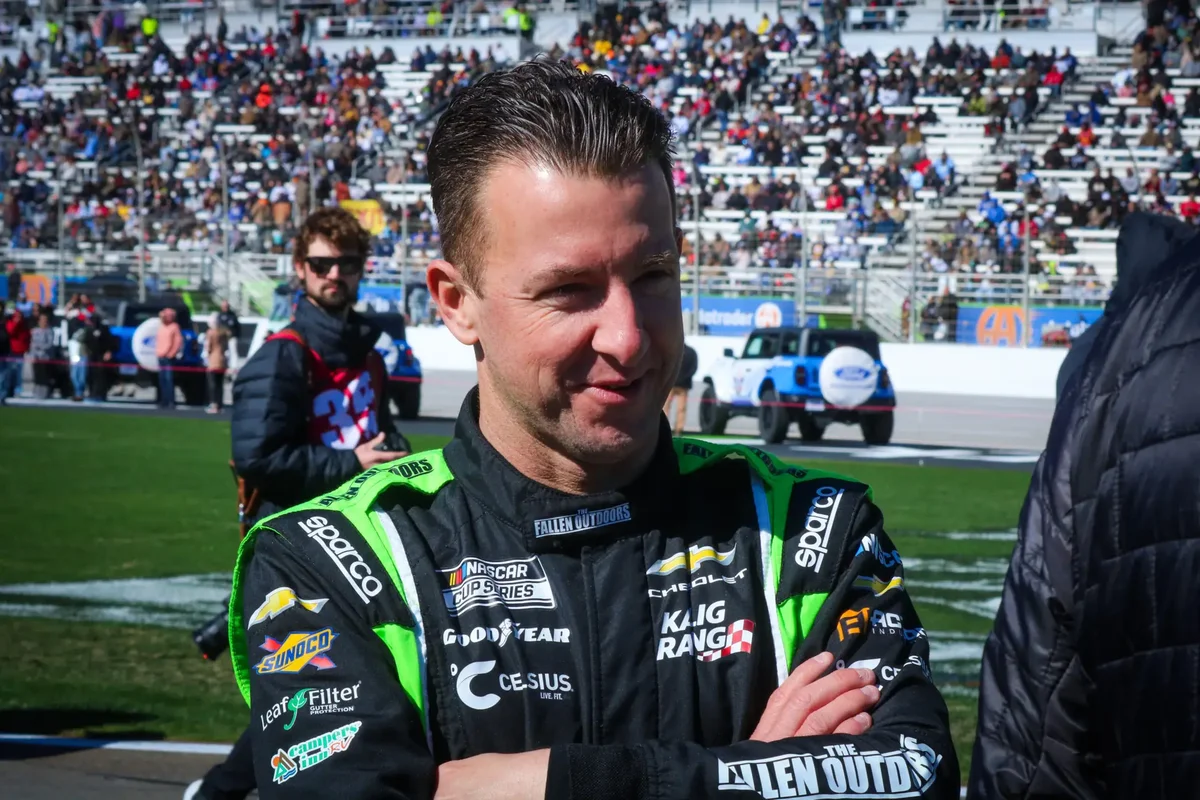
This harsh test of endurance demonstrated the risks drivers face beyond the speed and strategy of racing. The post-race scene was alarming but highlighted the toughness of the veteran racer under duress.
“Absolute warrior,[Allmendinger] will be okay,”
Kaulig Racing social media post
AJ Allmendinger being helped onto a stretcher pic.twitter.com/ayKUvL74oH
— Eric Estepp, NASCAR Reporter
Heat Impacts Other Drivers as Alex Bowman Withdraws
AJ Allmendinger was not the only competitor to suffer because of the heat during Sunday’s Cup Series race. Hendrick Motorsports driver Alex Bowman also experienced heat exhaustion severe enough to force him from the race with about 25 laps remaining.
Bowman conveyed his physical distress over the radio to his team, signaling his uncertainty about finishing the event. Ultimately, he pulled into the garage and exited the No. 48 Chevrolet, leading to an unusual mid-race driver substitution.
Buddy, I don’t know if I’m gonna make it,
Bowman radioed before leaving the car
The team enlisted Myatt Snider, who was on site acting as a pit spotter for FOX Sports’ Jamie Little earlier in the race. Fortunately for Hendrick Motorsports, Snider had his racing gear on hand and was able to step into the car, finishing the remainder of the laps despite not having competed in the Cup Series this season.
This prompt substitution allowed the team to limit damage in points standings and showed how unexpected challenges due to physical strain can disrupt a planned race strategy.
Heat Poses Serious Threats in NASCAR Events
The heat issues experienced by Allmendinger, Bowman, and Reif highlight the increasing physical demands placed on NASCAR drivers, especially in races held under extreme temperatures. The failure of key cooling equipment, like Allmendinger’s suit and helmet fan, magnified the dangers as ambient track conditions soared.
Drivers must rely heavily on cooling technologies, and when these systems fail, their health and safety come under immediate threat. The incidents from COTA serve as urgent reminders for teams and NASCAR officials to prioritize effective cooling measures and monitor weather conditions carefully during events.
While Allmendinger and Bowman received prompt medical care and were released without lasting issues, these events underscore the potential severity of heat exhaustion and the risks drivers face beyond collisions or mechanical failures.
What This Means for Future NASCAR Races
The troubling events at the DuraMAX Grand Prix suggest that NASCAR and racing teams may need to enhance protocols related to driver heat management as temperatures climb. Improved safety measures, better cooling gear reliability, and increased medical readiness might become focal points going forward to protect driver wellbeing.
The ability of drivers like AJ Allmendinger to endure extreme conditions while finishing strong shows their resilience, but the incidents emphasize the importance of safeguarding health amid physically punishing environments.
As NASCAR schedules future races in diverse climates, these recent experiences make clear that heat exhaustion is a serious hazard requiring continuous attention from all stakeholders involved in motorsports safety and competition.
AJ Allmendinger being helped onto a stretcher pic.twitter.com/ayKUvL74oH
— Eric Estepp (@EricEstepp17) March 1, 2026
