
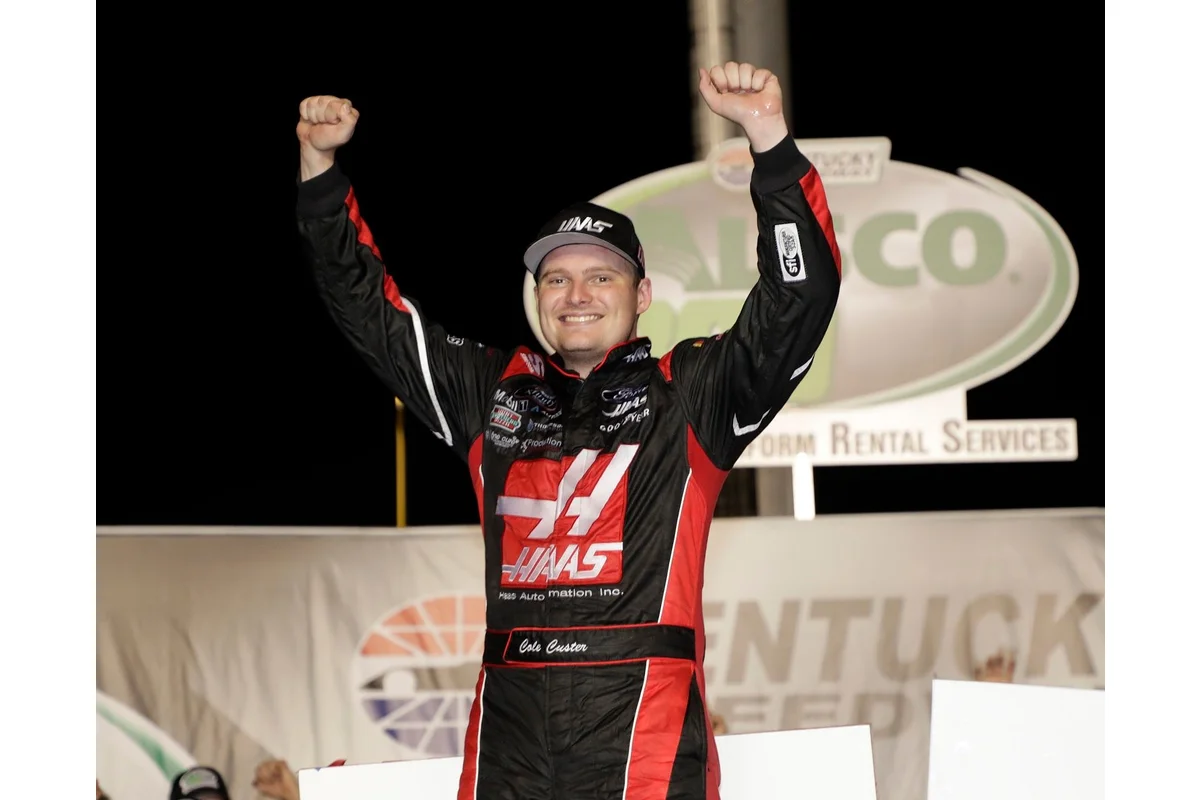
In the early stages of this NASCAR season, Carson Hocevar’s aggressive style has drawn considerable attention. On the latest episode of The Dale Jr. Download, Dale Earnhardt Jr. addressed an intense on-track moment involving Hocevar and Cole Custer at Circuit of The Americas (COTA), pointing to a possible deliberate act of retaliation by Custer.
Earnhardt Jr. recalled the exchange of contact late in the race on the frontstretch, suggesting the event was an intentional payback maneuver. The clash occurred as the drivers exited the final corner, just before the finish line, with Custer’s actions resulting in Hocevar spinning into the grass.
Sequence of Events Leading to Hocevar’s Spin
Describing the incident, Earnhardt Jr. said it unfolded near the last lap. He referenced NASCAR commentator Mike Joy’s call, explaining how Custer, positioned on the inside and slightly ahead, diverted toward Hocevar, forcing the No. 77 Chevrolet off the track.
“Cole’s car, who’s on the inside and about a car, half a car-length ahead, veers to the right, sending Hocevar into the grass,”
Earnhardt Jr. said.
“Hocevar loses control, spins out. Right before the flag stand or right at the flag stand. So, racing for 30th.”
Whether intentional or not, Earnhardt Jr. cautioned that drivers like Hocevar should be wary of provoking others in the garage, especially someone like Custer, known for responding aggressively when raced hard.
Dale Earnhardt Jr. Reflects on Custer’s Reputation for Retaliation
Earnhardt Jr. further emphasized Custer’s reputation as a driver not to be taken lightly. He referenced a prior incident where Custer pursued John Hunter Nemechek after a truck series race, highlighting his readiness to respond physically when challenged.
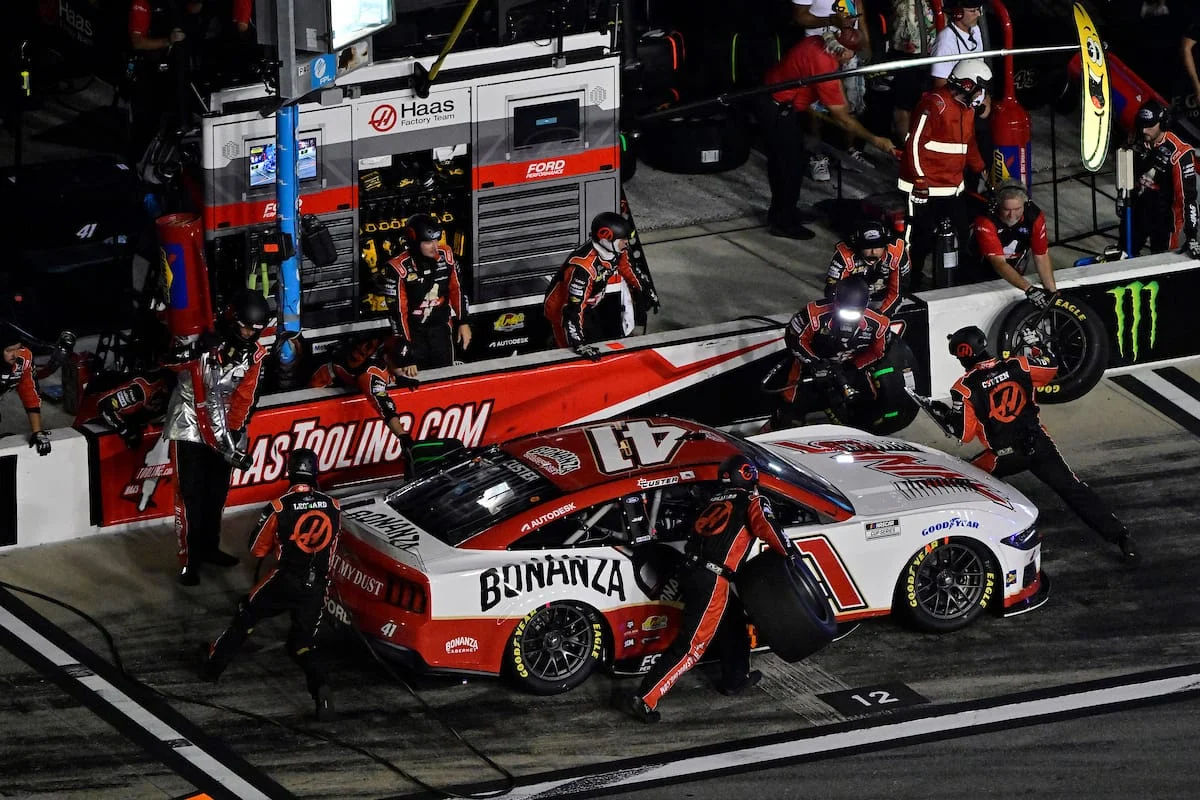
You remember when Cole Custer chased after John Hunter Nemechek after the truck race? Football tackle. Don’t mess with Cole Custer. He is not one to be played with.
– Dale Earnhardt Jr.
This observation reinforces the view that Custer is a driver who takes payback seriously and warns others accordingly.
Earnhardt Jr.’s Insights on Drivers Who Respond to Aggressiveness
Earnhardt Jr. revisited a previous point about which drivers might retaliate against Hocevar’s assertive approach. While last week he suggested Noah Gragson might be one to watch, he clarified that his remark wasn’t singling out any one driver but pointed to a broader tendency among certain racers.
I said last week it might’ve been Noah Gragson,
Earnhardt Jr. explained.
I’m not singling Noah out, I’m only saying that if you’re Hocevar, you got to watch those guys that have nothing to lose.
He noted that drivers struggling to compete at the front often carry more frustration and may be more inclined to send a sharp message on the track since they feel they have less to lose.
Those are the guys that you don’t piss off,
Earnhardt Jr. added.
Those are the guys that will absolutely hook your ass and say, ‘I don’t give a shit.’
Implications for Hocevar’s Driving Style and Future Encounters
Hocevar has quickly earned a reputation for aggressive driving in his burgeoning Cup Series career. Based on Earnhardt Jr.’s analysis, the collision at COTA might be an early example of how other drivers are beginning to push back aggressively as well, signaling heightened tension on the track.
The incident demonstrates the risks for drivers whose on-track style provokes retaliation, especially from those like Cole Custer, who have a known history of guarding their respect fiercely. Going forward, Hocevar may need to adjust his approach to avoid escalating conflicts that could jeopardize his races and reputation.
