
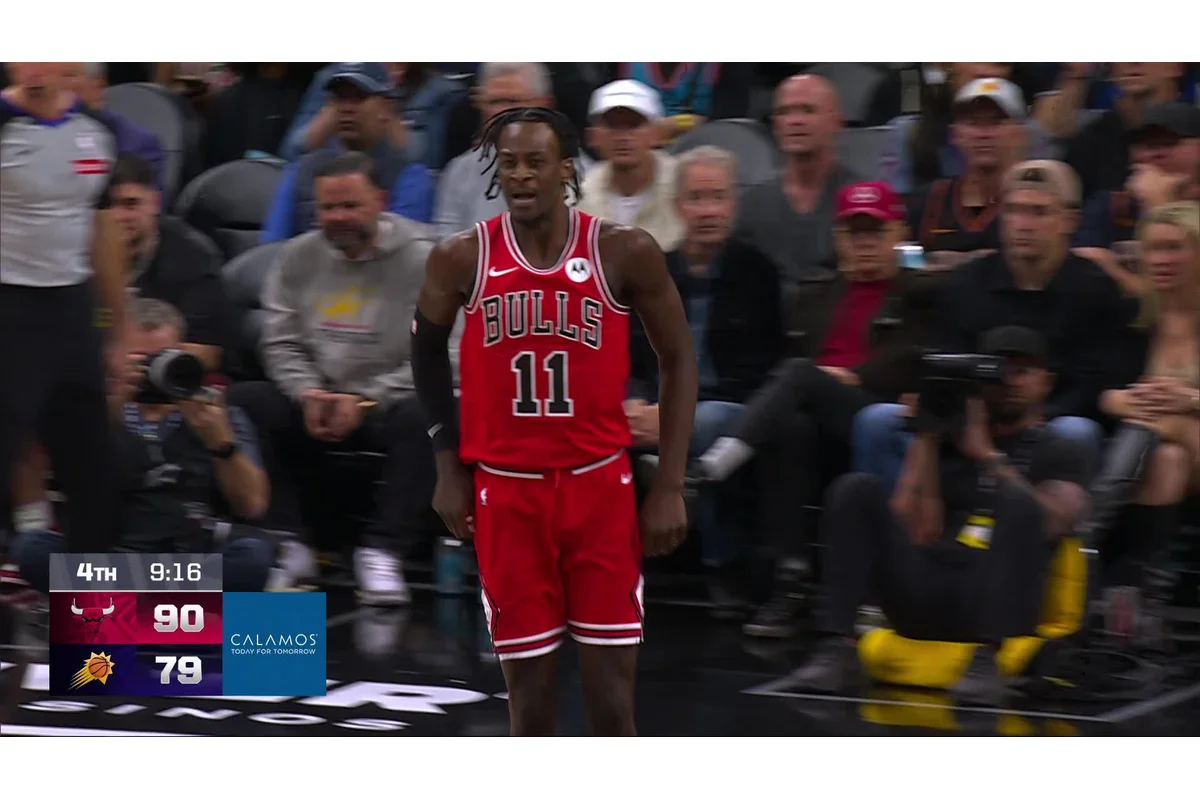
Yuki Kawamura, the Japanese point guard, signed a two-way contract with the Chicago Bulls, allowing him to split his time between the NBA and the NBA G League. Despite being part of an NBA organization, Kawamura’s actual minutes in the NBA remain minimal, with the bulk of his opportunities coming in the G League, where his playmaking ability has stood out this season. The question arises: why does Kawamura, who clearly has the talent, struggle to earn consistent NBA minutes?
Impressive Contributions in the G League
Kawamura has showcased exceptional talent during his time in the NBA G League. Averaging 17.7 points and 11.3 assists per game as of early March, he ranks among the top playmakers in the league. His standout performances include scoring 34 points and recording 16 assists against the Nuggets’ G League team, and delivering an impressive 19-assist game versus the Celtics’ affiliate. These statistics reveal Kawamura’s ability to control the flow of a game consistently.
Offensively, Kawamura displays sharp instincts: he pushes the pace, drives effectively into the paint, and delivers creative passes that often catch defenders off guard. His style aligns with that of a traditional floor general, focusing on orchestrating his team’s offense rather than individual scoring, which signals readiness for NBA-level playmaking on the offensive end.
Physical Limitations Impacting NBA Opportunities
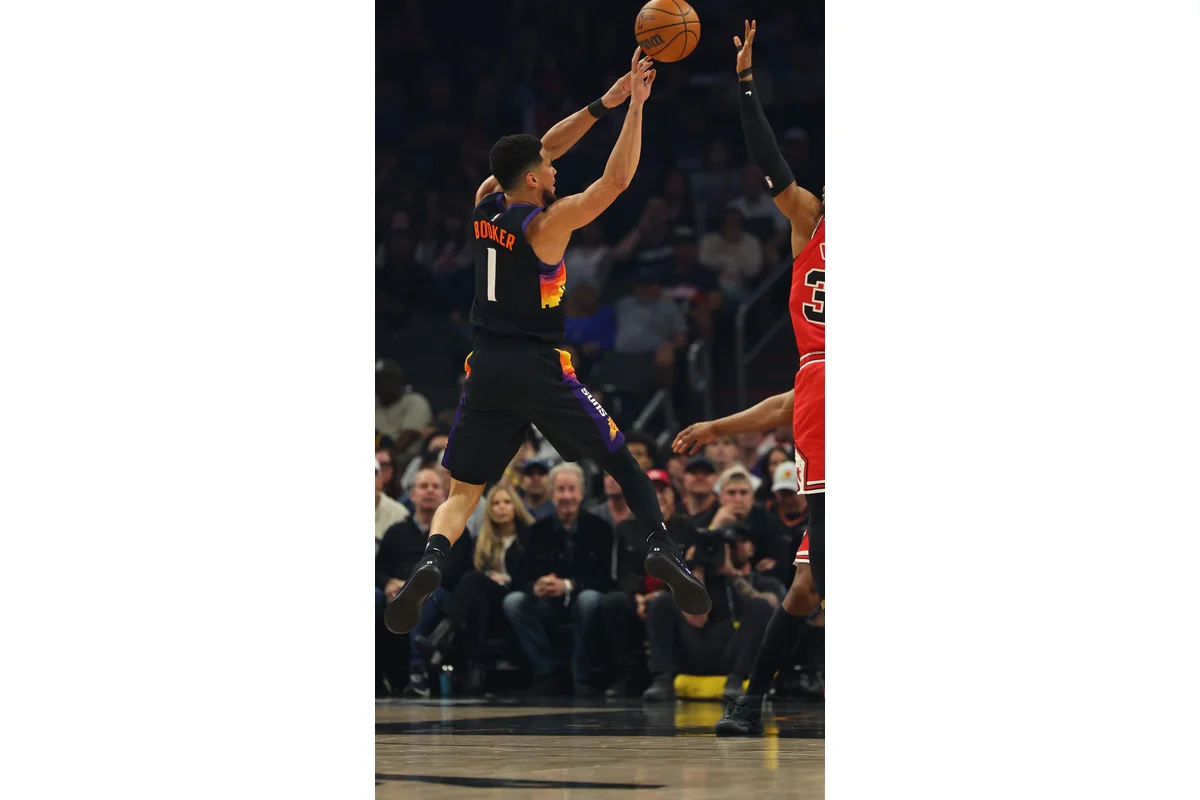
The primary obstacle preventing Kawamura from gaining more NBA court time is his height. Standing around 5-foot-7, he is currently the shortest player in the league. In a modern NBA where guards are generally much taller—most between 6-foot-3 and 6-foot-6—this height disparity represents a significant challenge.
This physical difference affects Kawamura’s defensive capabilities, especially in a league where size and versatility are increasingly prioritized. Smaller guards face constant tests on defense, as their opponents aim to exploit mismatches created by their size.
Defensive Matchups Create Persistent Challenges
Modern NBA offenses often focus on exploiting physical mismatches, with smaller defenders like Kawamura frequently targeted through pick-and-roll plays and forced defensive switches. Consequently, bigger players can use their size advantage to shoot over or drive past them easily.
Despite Kawamura’s effort and competitiveness on defense, these physical disadvantages often translate into easier scoring chances for opponents. This defensive vulnerability forces coaches to weigh Kawamura’s offensive contributions against the potential liabilities he may pose defensively, making rotation decisions complex.
The NBA’s Growing Emphasis on Size and Versatility
The league’s evolution over the past decade has seen a growing preference for players who combine size, length, and defensive versatility. Guards capable of guarding multiple positions and handling mismatches effectively have become more valuable, creating a difficult environment for very small players, regardless of their skills.
This shift means Kawamura is competing not only with other point guards but also with taller guards who offer a balance of offensive talent and defensive adaptability. His height places him at a disadvantage despite his offensive prowess.
Balancing Talent Against Today’s NBA Demands
Kawamura’s situation underscores a key dynamic in the current NBA landscape: while skill and creativity remain highly valued, physical attributes such as height, wingspan, and defensive flexibility are now essential for sustaining an NBA career. Kawamura clearly possesses the talent to influence games offensively, but the league’s physical demands create a steep hurdle.
He must now demonstrate that his speed, vision, and playmaking skills can offset his size disadvantage and allow him to be a reliable contributor at the highest level. Kawamura’s journey is a test of whether elite offensive ability can overcome the challenges posed by his stature in the modern NBA environment.
