
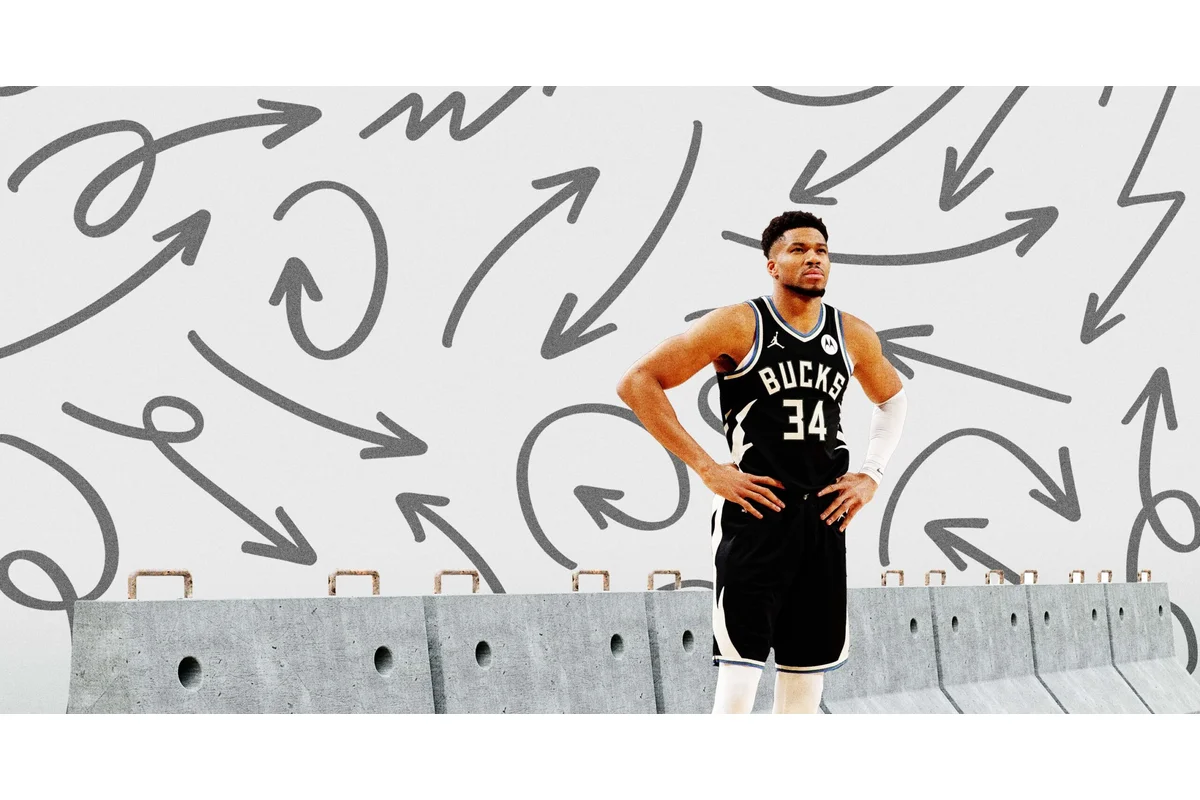
Giannis Antetokounmpo, the Milwaukee Bucks’ star forward, suffered a calf strain that will sideline him for four to six weeks, pushing his return well past the February 5 trade deadline. This injury adds to an already difficult season for the Bucks, as Giannis has only played in 30 out of 44 games so far.
Despite this setback, trade rumors involving Antetokounmpo remain strong. An Eastern Conference general manager dismissed concerns about Giannis’s injury scaring off potential suitors, noting that his calf issues have been ongoing without deterring interest. This GM explained that the Bucks may become more serious about a trade now, especially if a compelling offer arrives before the summer. Teams like the New York Knicks, Golden State Warriors, and Miami Heat are considered potential contenders to pursue such a deal.
The GM also highlighted that if a trade involving Giannis happens, it is likely to be a complex, multi-team deal involving three or more franchises. This complexity makes the offseason the most probable time for a trade, though fans following trade rumors can expect continued activity.
“He’s had calf issues for a long time,”
the GM said.
“It is not something that would scare anyone off. If anything, it maybe makes the Bucks see the writing on the wall and take the idea of trading him now more seriously. It still probably waits until the summer, but if the right deal is there and a team is desperate enough–think of the Knicks, the Warriors, the Heat–the Bucks probably know nothing is going to change and pull the trigger now.
The GM added that Giannis is almost certain to be part of a major trade if it happens, a three, four or five-team monstrosity (another reason why the offseason might be the time), so if you’ve been wearing out the trade machines out there, have no fear. You can keep it going.
Ongoing Trade Discussions Surrounding Miles Bridges
The trade market continues to buzz with discussions about Miles Bridges from the Charlotte Hornets. His contract, which carries a salary of $25 million this season and $22.8 million next year, makes him attractive compared to bigger contracts. However, questions remain about whether teams would accept his off-court issues—most notably the domestic violence charges from four years ago, which resulted in a 30-game suspension despite the later dropping of legal charges.
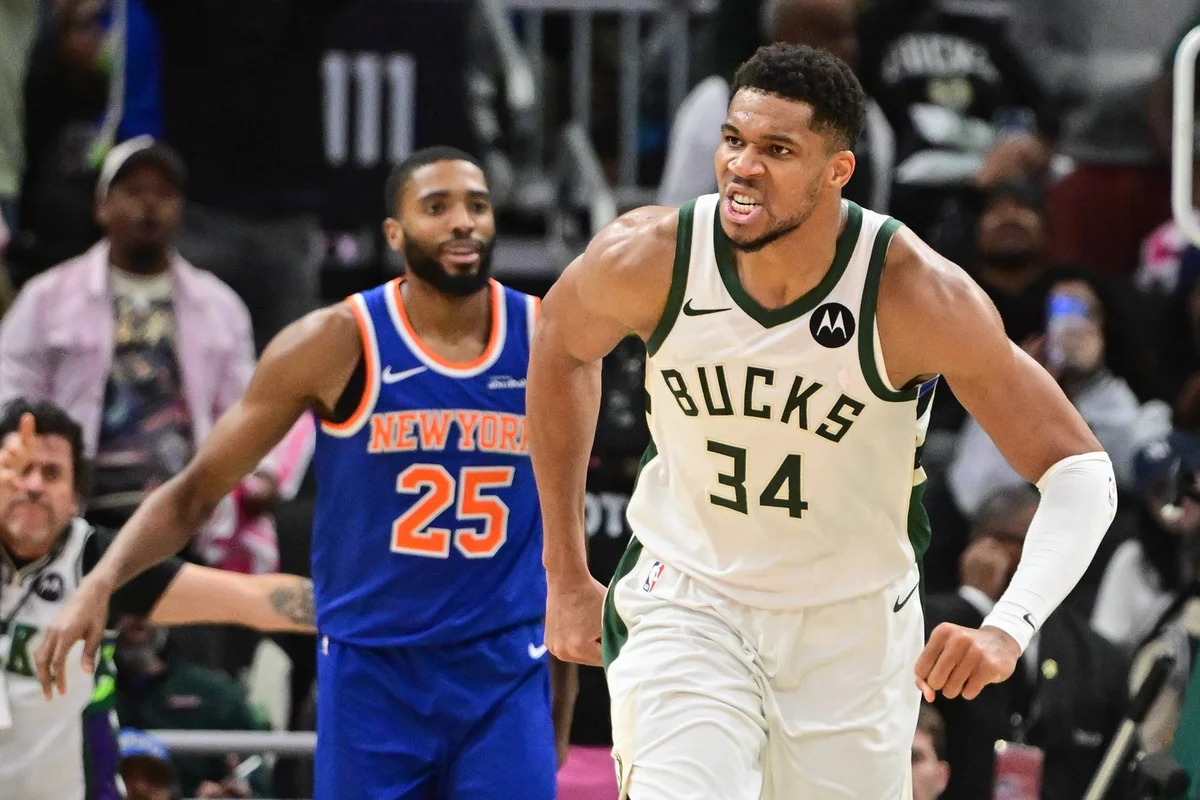
Several teams, including the Lakers, Warriors, and Bucks, have been linked to Bridges. Still, his off-court history could cause complications if traded, potentially reigniting controversy. A top executive explained that certain franchises may find Bridges too controversial to acquire without risking negative backlash and added scrutiny. Ownership groups often require strong assurances of contrition and full apology prior to making such moves.
“You can decide if you want him as a player, but there are places where it is just not going to be pretty if you trade him there,”
the executive said.
“He is still too toxic for a lot of places. Your owner is probably going to need to be convinced there won’t be backlash and that he has fully apologized, all of that. You’ve got to be ready for a lot of negative PR, and that is a factor in anyone making a trade for him.”
The executive also referred to another example to underline ownership concerns: the Los Angeles Dodgers declined to re-sign pitcher Trevor Bauer following domestic violence allegations, despite charges being dismissed. Similarly, trading Bridges to the Lakers—partly owned by Mark Walter, who is also a principal owner of the Dodgers—could face significant resistance.
Dallas Mavericks’ Strategy as a Potential Seller
In the Western Conference, the Dallas Mavericks are seen as sellers ahead of the trade deadline, though Anthony Davis is not likely to be moved. While Davis has incurred a hand injury, the Mavericks seem increasingly inclined to retain him until either the offseason or after he returns to full health.
However, Dallas is focused on moving several veteran players such as D’Angelo Russell, Klay Thompson, Naji Marshall, and Daniel Gafford. The goals behind these moves are twofold: first, to create more playing time for young prospects like Cooper Flagg to develop, and second, to lower their standing in the league to improve draft pick positioning for the upcoming selection.
Detroit Pistons’ Deliberate Approach at the Trade Deadline
The Detroit Pistons have impressed this season with a 33-11 record and a strong winning streak, securing their hold on the Eastern Conference. Despite this success, the organization remains open to trade ideas, provided any deal does not compromise future salary cap flexibility.
Among the players linked to Detroit’s shopping list, Jaren Jackson Jr. has drawn attention as a potential addition. However, some uncertainty exists whether he is truly available or merely the subject of speculation from other executives. Michael Porter Jr., who has only one year left on his current deal, remains a highly desirable target for the Pistons, particularly if the Brooklyn Nets decide to negotiate.
Nonetheless, Detroit remains cautious about taking on significant long-term commitments since they will soon need to extend contracts for young talents like Jalen Duren. Balancing these considerations shapes the Pistons’ willingness to make substantial trades involving players such as Jackson and Porter.
Implications and Outlook for NBA Trade Movements
Despite injury concerns, Giannis Antetokounmpo remains central to significant trade speculation, and his situation may even prompt the Bucks to consider moving him sooner than expected. Meanwhile, players with complicated off-court histories like Miles Bridges present challenges but are still in demand under certain circumstances.
Teams such as the Mavericks and Pistons are strategically adjusting their rosters with a mix of rebuilding and opportunistic moves, carefully balancing short-term performance and long-term flexibility. As the February 5 deadline approaches, high-level trade negotiations involving multiple franchises and intricate deal structures are likely to intensify.
The unfolding trade market will not only reshape several teams’ futures but also impact playoff races and draft strategies, making the coming weeks critical for NBA front offices and fans alike.
