
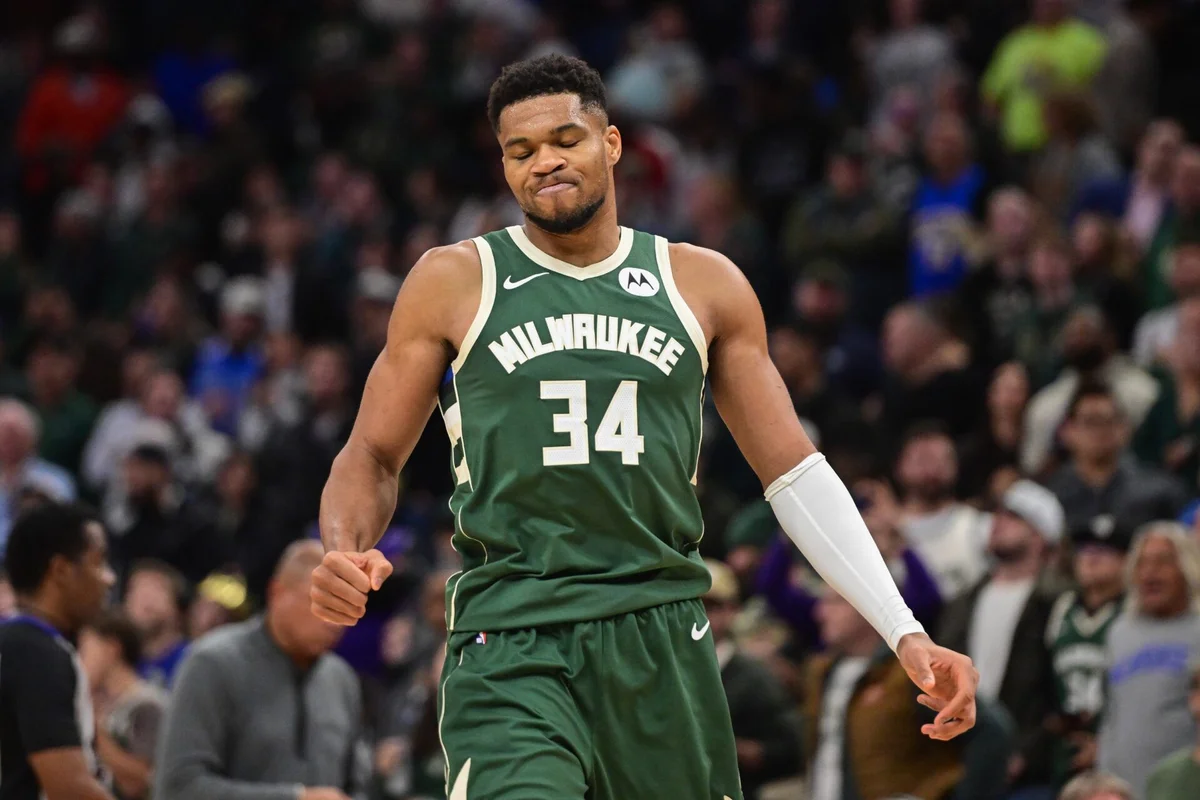
Giannis Antetokounmpo is reportedly open to joining a new team before the February 5 trade deadline, and the Milwaukee Bucks are beginning to entertain offers, according to Shams Charania of ESPN. While interest has increased, finalizing a deal so soon remains complicated, with Milwaukee demanding a substantial return that includes a top young player and multiple draft picks, even as Antetokounmpo has specific preferred destinations like New York, which is presently unable to meet those requirements.
Challenges in Completing a Deadline Deal
Sources reveal that although the Bucks appear more willing than ever to consider trade proposals, they are not in a hurry to finalize an agreement before the deadline. Milwaukee aims to secure a package featuring blue-chip talent or abundant draft assets to justify parting with their star player. Waiting until the offseason could benefit the Bucks by allowing them to evaluate offers when more draft picks become available in June. This approach also mitigates the challenge of compromised trade value if immediate offers fall short of expectations.
Giannis’s Clear Desire to Move On
According to league insiders, Antetokounmpo has communicated to the Bucks for months that after more than twelve years with the franchise, he believes it’s time for a new chapter. Despite this, he has publicly denied ever requesting a trade, emphasizing that such a request is against his nature. That said, frustration has set in due to the team’s disappointing 18-27 record and its 3-12 performance during games without him. Antetokounmpo has openly criticized teammates for playing selfishly, highlighting internal tensions within the squad.
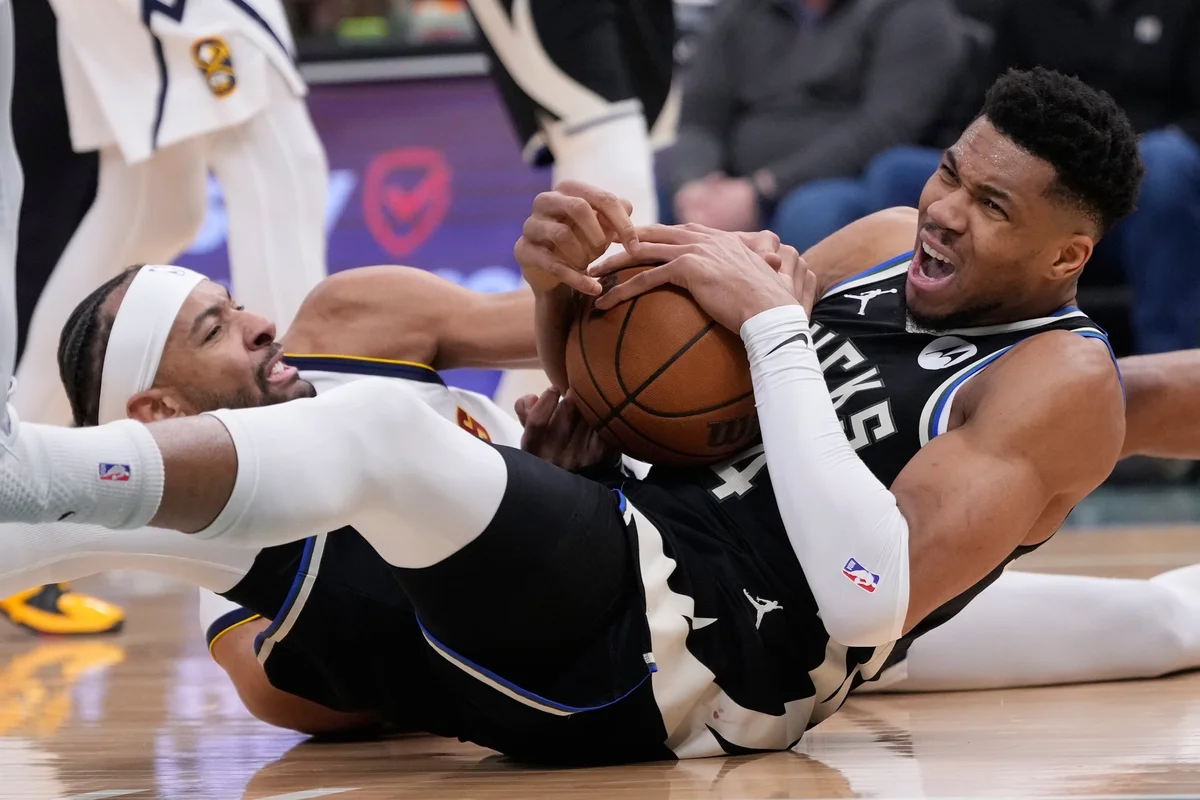
Potential Long-Term Implications of Antetokounmpo’s Future
Within the league, the prevailing assumption is that Antetokounmpo will inform the Bucks during the summer his intention not to sign the four-year, $275 million supermax extension available starting October 1. Such a decision would compel Milwaukee to trade him to avoid losing him without any compensation when he potentially reaches free agency in 2027. Nonetheless, Antetokounmpo’s ability to enter free agency in 2027 gives him leverage in trade talks, as a team aware he won’t re-sign may be less willing to offer premium assets.
Financial and Roster Constraints Limit Trade Options
Several factors complicate a trade at the deadline, including salary cap restrictions and tax aprons that limit how much teams can absorb in trades. For instance, the New York Knicks are very close to their second apron hard cap and would need to send back less salary than they receive, making it difficult to take on Antetokounmpo’s $54.1 million annual salary. Moreover, the Knicks lack the young talent and draft assets Milwaukee desires, which reduces their feasibility as a trade partner. Similar financial handicaps apply to other interested teams like the Golden State Warriors and Miami Heat, both limited by hard caps and constrained in their trade flexibility.
Evaluating Team Strategies and Antetokounmpo’s Injury Status
Teams such as the San Antonio Spurs and Detroit Pistons may hesitate to dismantle their youthful core to acquire a veteran star whose prime may be waning. Additionally, Antetokounmpo is currently sidelined due to a calf strain; while the Bucks have not specified his return date, he has indicated a 4-6 week absence. Since contending teams usually make deadline trades to strengthen championship runs immediately, acquiring an injured Antetokounmpo with uncertain availability raises risk. Waiting until the summer might offer a better opportunity for all involved.
The Outlook for Giannis Antetokounmpo’s Trade
The complexity surrounding exchanging Giannis Antetokounmpo encompasses financial hurdles, injury concerns, and strategic considerations from both Milwaukee and potential acquiring teams. Though the Bucks are now listening to trade proposals, most indicators point to a deal, if it happens, occurring during the offseason rather than before the February deadline. This allows for clearer assessments of team needs, player recoveries, and asset availability, making any eventual trade more calculated and potentially advantageous.
“ready for a new home ahead of the Feb. 5 trade deadline” ?Shams Charania, ESPN
