
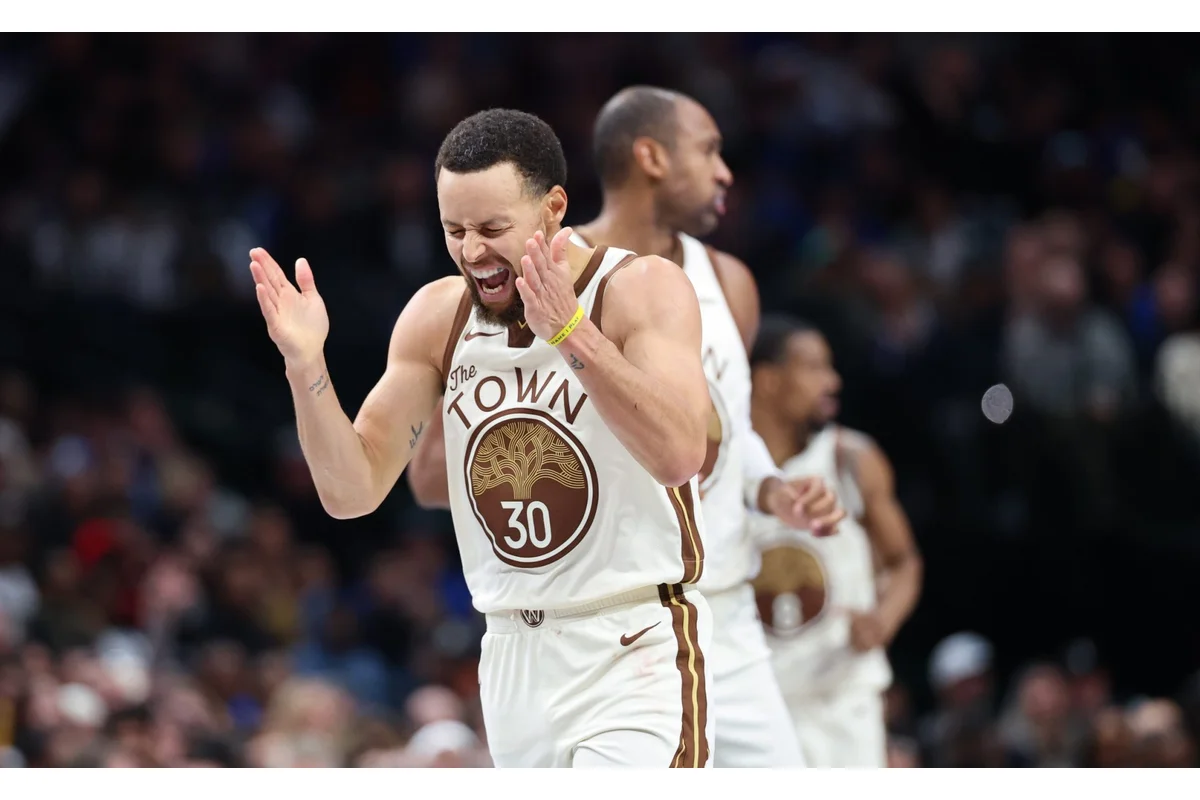
Stephen Curry has achieved extraordinary success throughout his NBA career, transforming the way basketball is played with his long-range shooting. Winning four NBA titles and two MVP awards, Curry made shooting from great distances a common offensive tactic. However, questions remain about how his style would hold up when facing the more physical defenses of earlier basketball eras.
Curry first gained national attention during his three years at Davidson, where his electrifying performance helped the Wildcats reach the Elite Eight in 2008. Despite his college success, many skeptics doubted whether his unique approach to shooting would translate effectively in the NBA.
The Impact of Rule Changes on Curry’s Success
As the NBA evolved, new rules favored offensive players, including the elimination of hand-checking, which limited defenders’ ability to physically guard opponents. This shift played a significant role in enabling Curry’s style to flourish, allowing him space to shoot without heavy physical pressure. Many wonder how Curry would perform under the stricter defensive conditions from the mid-2000s, where physicality was a key element of defending.
In an interview with The SportsRush’s Nickeem Khan, former NBA player Rashad McCants addressed this question by reflecting on the contrast between modern and past eras.
Rashad McCants Weighs In on Curry’s Fit in an Older NBA
McCants bluntly described the difference in playing style and defensive toughness.
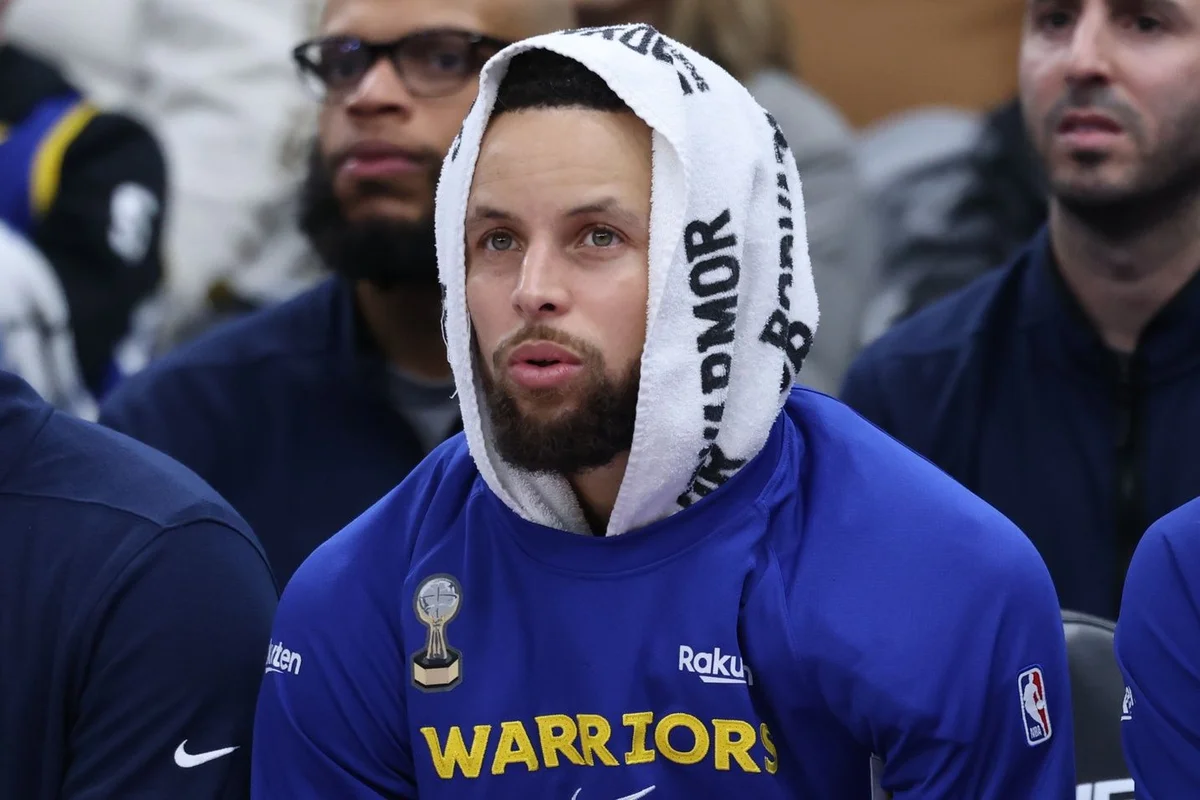
“Steph could be tough. Um, it’s, it’s all simply because. We weren’t playing basketball where you could just let a guy come down and shoot from the f****** half-court,”
he said.
“That was a bad shot. You would probably get punched in the locker room by a guy who’s like, ‘What are you doing?’”
This candid perspective highlights how the team dynamics and player conduct were more rigid back then, with veterans and coaching staffs enforcing a physical style of defense that punished players for questionable shots.
Evolution of Offensive Strategies and Player Roles
During the mid-2000s, offensive schemes typically revolved around post players receiving the ball consistently every possession, emphasizing interior scoring and physicality. In contrast, today only the top tier big men command frequent touches in the post, while others primarily serve as lob targets. This shift aligns with the rise of three-point shooting as the offensive focal point, largely popularized by Curry’s high-volume accuracy from beyond the arc.
McCants Acknowledges Curry’s Unique Talent Despite Style Differences
Despite his criticism of Curry’s three-point-heavy approach, McCants respects his remarkable skills.
“It’s always a bad shot, but he can make it. Then, having this one guy running around like Allen Iverson and you gotta chase him around shooting threes and stuff, that would be his advantage. Cause we did see that, and Allen wasn’t shooting threes, and he was still averaging 30,”
McCants explained.
McCants draws a connection between Curry and Allen Iverson, noting that Iverson’s style helped pave the way for Curry’s success. Iverson’s quickness and ability to run off screens for mid-range shots broke traditional molds, and Curry intensified this concept by extending it to relentless three-point shooting.
Curry’s Playstyle as a Bridge Between Eras
The comparison to Iverson illustrates how Curry’s constant movement and off-ball screens create opportunities despite heavy defensive pressure. Although Curry’s approach might feel foreign in a more physical NBA climate, his skill level is exceptional enough to overcome such challenges. Whether he would face direct repercussions, like the locker room confrontations McCants described, remains speculative.
Ultimately, Curry’s revolutionary playstyle has reshaped basketball offense and continues to influence generations, demonstrating that his talents transcend past and present NBA eras.
