
On Tuesday, the NBA witnessed another surprising trade before the 2026 deadline: Darius Garland is moving to the Los Angeles Clippers along with a second-round pick, while James Harden heads to the Cleveland Cavaliers. This exchange is shaping up to be one of the most unexpected moves since last February’s blockbuster involving Luka Dončić and Anthony Davis. The deal has already sparked comparisons due to the significant age gap between the players involved—Garland, 26, and Harden, 36—prompting scrutiny over which team benefits more from this swap.
Why Cleveland Took a Calculated Risk with Harden
At first glance, the Cavaliers’ decision to trade a younger All-Star point guard like Garland for the much older Harden appears puzzling. Garland, a homegrown talent, was crucial to Cleveland’s impressive 64-win season just a year ago. Yet, the Cavaliers have faced ongoing concerns about Garland’s health; he has only once played more than 70 games in a season, and a persistent toe injury sidelined him this year after January 14. These concerns about Garland’s durability likely influenced Cleveland’s choice to move on.
Financially, the situation was equally pressing. With the team already hovering around the luxury tax apron, future salary commitments to Jarrett Allen, Donovan Mitchell, and Evan Mobley left limited room for Garland’s max contract extension, which he is eligible for this offseason. The Cavaliers needed to avoid risking a long-term financial burden on a player who might not maintain health or fit the evolving league trends favoring different play styles.
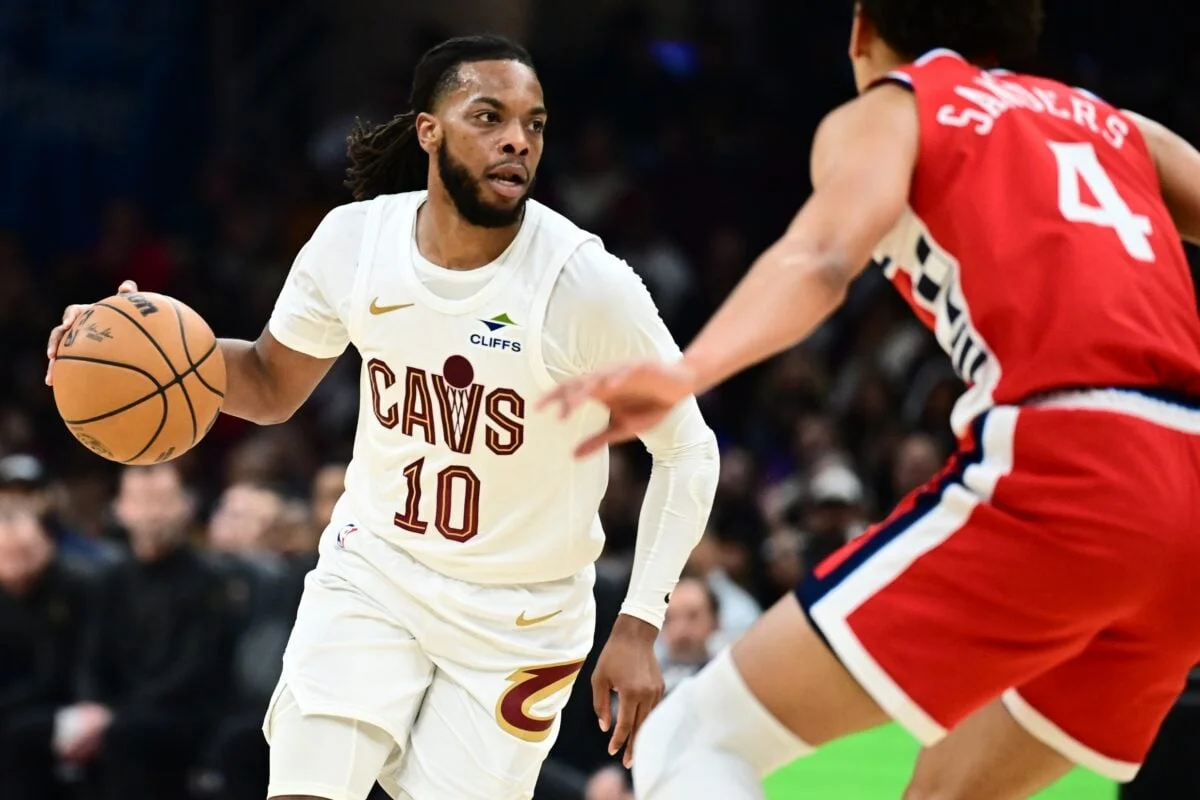
Rather than gamble on Garland’s health and extension, Cleveland opted for a more immediate upgrade with Harden, a player who, despite being older, has shown greater durability this season and can shoulder significant offensive responsibilities. Harden’s style complements their frontline, giving Jarrett Allen and Evan Mobley easier scoring opportunities and allowing Donovan Mitchell to play with less pressure creating shots. Additionally, Harden’s contract situation offers Cleveland flexibility, as he has only one year left on a partially guaranteed deal, unlike Garland’s longer-term commitment.
This move signals Cleveland’s intention to maximize their championship window for the 2026 and 2027 seasons before a roster reset, banking on Harden’s ability to contribute right now rather than waiting on Garland’s uncertain future. While it defies conventional wisdom to swap a 26-year-old for a 36-year-old, the Cavaliers deemed it a necessary gamble to improve their present competitiveness while managing salary cap realities.
The Clippers’ Strategic Long-Term Gain with Garland
The Los Angeles Clippers, in contrast, emerge as clear beneficiaries of this trade, landing a young, talented point guard in Garland. Before acquiring him, the Clippers were trailing with one of the league’s oldest rosters and lacked control over multiple upcoming first-round picks, casting doubt on their future prospects. Garland represents a chance to change that trajectory, providing a building block similar in spirit to what the Lakers experienced when they obtained Luka Dončić last year.
Although Garland’s health and contract risks are similar to those Cleveland wanted to avoid, the Clippers face less financial pressure. Their roster lacks the supermax contracts Cleveland carries, giving them greater salary cap flexibility to rebuild around Garland. Currently, only Garland and center Ivica Zubac hold guaranteed contracts through 2027, positioning them as foundational pieces for future roster construction.
This trade offers Los Angeles valuable time and assets. Assuming ongoing league investigations do not impose harsh penalties, the Clippers can regain future draft pick access, granting them tools to add star talent either through signings or trades. Garland’s presence enhances their recruiting appeal by providing a young cornerstone that can attract free agents, a vital factor in reshaping the franchise’s prospects.
While not as dramatic as the Dončić trade, the move is arguably the Clippers’ best chance at forming a competitive team in the coming years. With Harden and Kawhi Leonard aging out of their championship window, turning Harden into Garland secures at least a blueprint for the future. Should Garland not evolve as hoped, the Clippers retain the flexibility to explore other options without the lingering burden of an older superstar’s contract.
The Broader Implications and What’s Next
This deal highlights the shifting dynamics of team-building in the NBA, where age, contract flexibility, and injury history weigh heavily on front office decisions. Cleveland’s move demonstrates a preference for short-term competitiveness over long-term certainty, betting on Harden’s durability and fit alongside Mitchell and the frontcourt. Meanwhile, the Clippers commit to a youth-driven rebuild, aiming to parlay Garland and salary flexibility into a strong competitive core.
For the Cavaliers, the challenge will be managing Harden’s performances and health during this critical two-year window, avoiding the playoff collapses that have marred his past. If successful, they could contend at a high level before recalibrating their roster. For the Clippers, the task is cultivating Garland’s potential and leveraging their financial freedoms to complement him with impactful teammates.
Ultimately, this trade epitomizes the uneasy decisions NBA teams must make in balancing present ambitions with future growth, with both franchises wagering on different paths to success amid an increasingly competitive landscape.
