

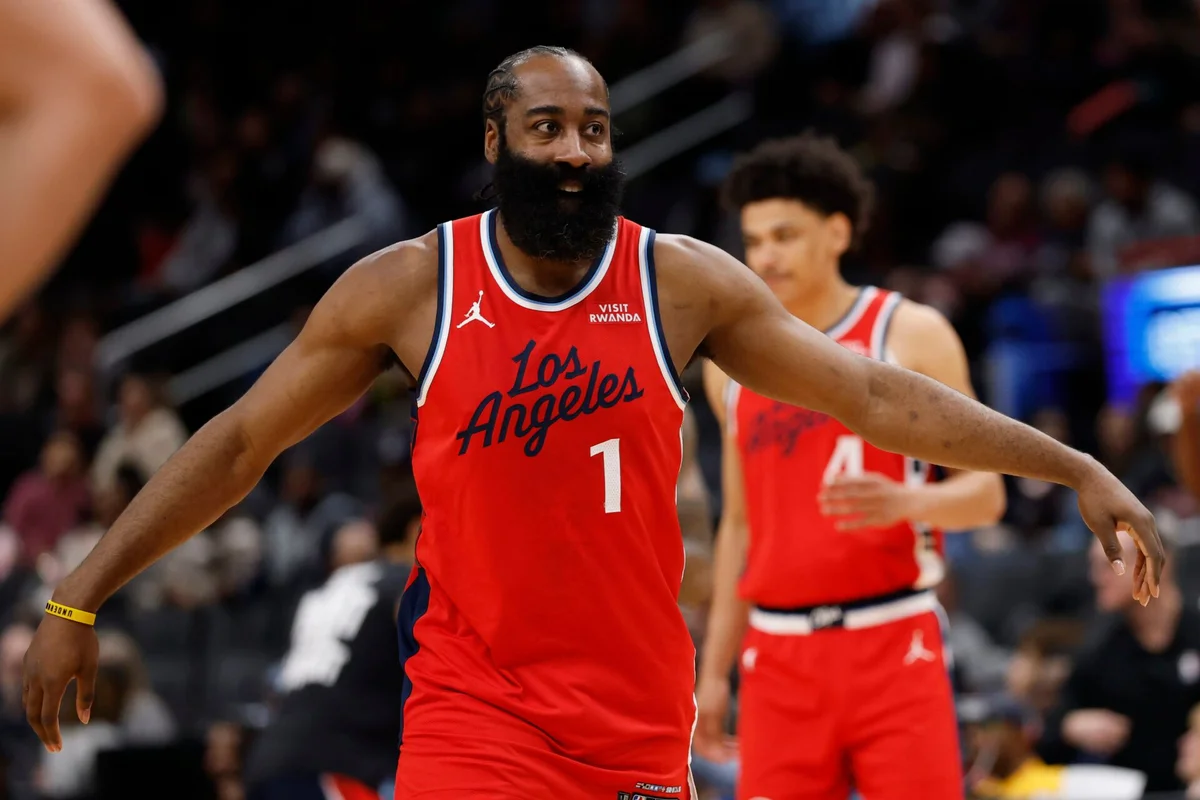
The Cleveland Cavaliers made a decisive adjustment to their roster by trading Darius Garland for James Harden, signaling a clear commitment to a win-now strategy. Finalized with an additional second-round pick sent to the Los Angeles Clippers, this move emphasizes Cleveland’s urgency to compete at the highest level despite the complicated cost.
By parting with draft assets, the Cavaliers sacrifice some future flexibility, which they must now rebuild to pursue even greater ambitions. This shift reflects a calculated risk as Cleveland focuses on a championship window that aligns closely with Donovan Mitchell’s prime years and potential moves involving stars like Giannis Antetokounmpo.
Understanding Cleveland’s Championship Approach
Chris Fedor, cleveland.com’s Cavaliers beat reporter, highlighted on the Wine & Gold Talk podcast that this trade extends beyond simply exchanging players. He emphasized,
“This isn’t just a conversation about James Harden,”
and added,
“This isn’t just a conversation about Darius Garland. This is about trying to win a championship.”
The Cavs front office is aware of the challenges presented by operating above the NBA’s second apron salary threshold, which restricts their ability to accumulate players and complicates matching trades. Yet, the team is willing to accept these hurdles because the alternative—waiting—carries significant opportunity costs in a competitive Eastern Conference landscape.
To contend seriously for Antetokounmpo or similar stars, Cleveland understands it must restore financial and trade flexibility. This could involve trading future first-round picks or leveraging player contracts, potentially involving a third team to satisfy the demands of both Milwaukee and Cleveland’s salary cap restrictions. The organization is embracing high-risk moves as part of this greater vision.
The Pressure and Urgency Within the Cavaliers’ Camp
The Eastern Conference’s evolving dynamics and Donovan Mitchell’s crucial upcoming seasons place pressure on Cleveland’s decision-makers to act swiftly. Fedor described this as
“the ticking clock for this organization,”
noting,
“That’s an element of pressure on this organization.”
Building a core with Harden, Mitchell, and potentially Antetokounmpo brings questions about managing ball possession and usage, especially since Harden consistently ranks among league leaders in touches and time of possession. Ethan Sands, the podcast host, pointed out these details during their discussion. However, the Cavaliers are relying on player talent to resolve such concerns organically rather than overcompensate in roster planning.
For Cleveland, the Harden acquisition marks a turning point: theoretical flexibility and patient roster-building have given way to decisive action. The team is consciously pushing its assets to the forefront, understanding that remaining static carries the biggest risk amid the competitive urgency.
Outlook on Cleveland’s Future Moves and Strategy
The Cavaliers’ decision to execute the Harden trade and shoulder its constraints reflects a belief that aggressive maneuvers are necessary for a genuine championship pursuit. Rebuilding trade leverage and salary cap space will be essential as the team looks to navigate the nuances of NBA rules and asset management.
Fans and analysts waiting for a full explanation can listen to the Wine & Gold Talk podcast, which delivers an in-depth analysis of Cleveland’s options to remodel its roster and chase a transformative championship opportunity.
