
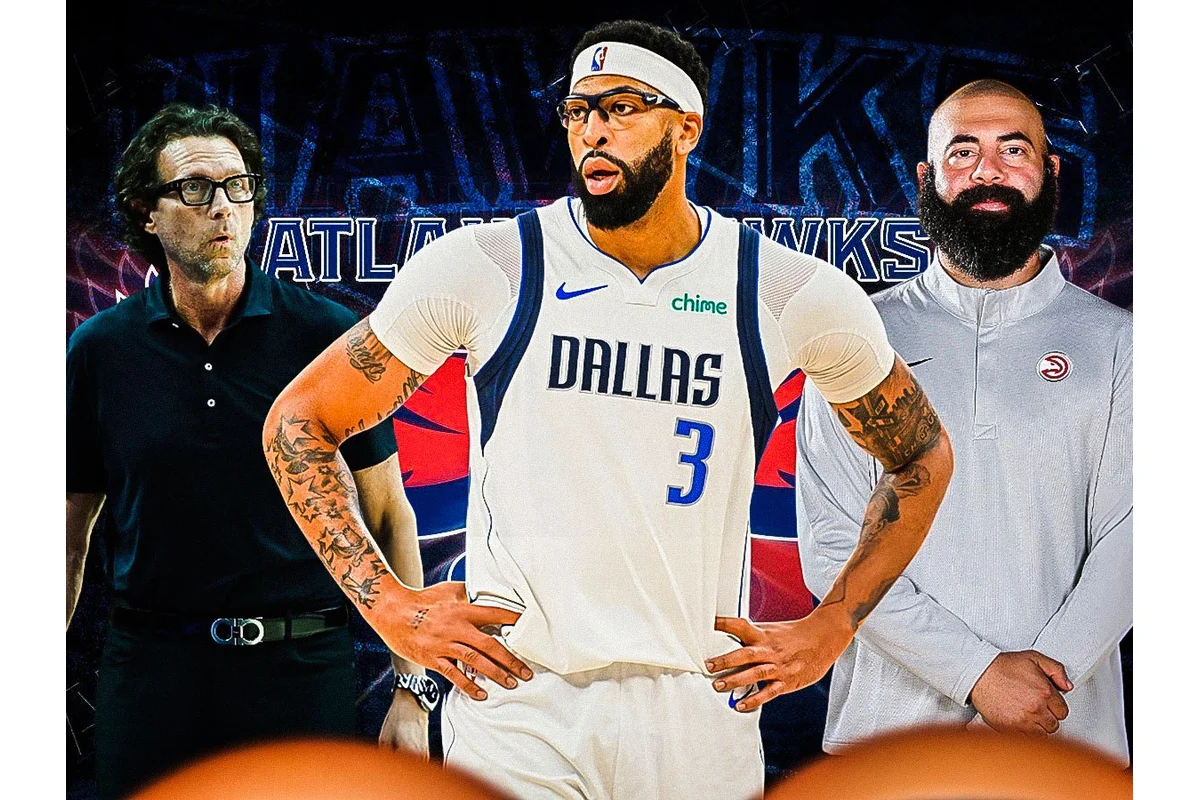
The Atlanta Hawks’ handling of the 2018 NBA draft has been heavily scrutinized, particularly in light of the Trae Young draft regret that continues to affect the franchise. While the Hawks did not receive any first-round picks in exchange for Young, the Memphis Grizzlies secured three first-round selections for trading Jaren Jackson Jr., a pivotal player taken just one pick after Young. This contrast highlights the growing sense of missed potential for Atlanta.
Much of the criticism towards the Hawks centers on their decision to trade Luka Doncic’s rights to Dallas for Young after drafting Doncic third overall. Although that trade is widely seen as unfavorable for Atlanta, an overlooked aspect is the presence of Jaren Jackson Jr., the fourth pick in that same draft, who has since proven to offer significant value.
Assessing Jaren Jackson Jr.’s Value Compared to Peers
Among the three players selected third through fifth in 2018—Doncic, Jackson Jr., and Young—Jackson Jr. has returned the most draft capital to his team through subsequent trades. While Doncic has established himself as a franchise cornerstone and one of the game’s brightest stars, he has displayed some inconsistencies related to effort, composure, and conditioning.
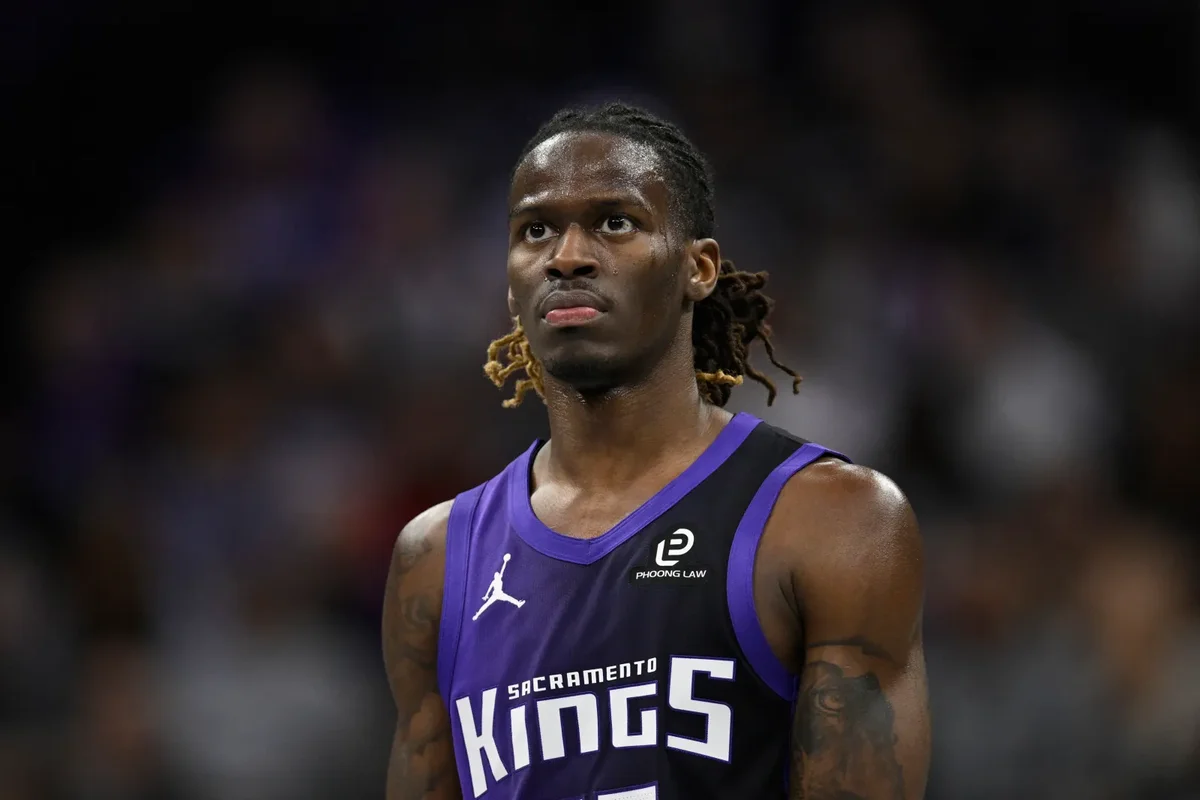
These flaws were pointed out by talent evaluator Nico Harrison, though many Mavericks fans acknowledge these traits do exist. By contrast, Jaren Jackson Jr. offers versatility and defensive excellence that any team can utilize. He earned the Defensive Player of the Year award in 2023, has been named to three All-Defensive teams, and maintained a strong three-point shooting percentage of 36.9% over the last two seasons. This combination of skills has made him an attractive asset, especially for Memphis’s return of multiple first-round picks.
How the Hawks’ Strategy Led to Disappointment
Atlanta’s commitment to Trae Young reflected a league-wide trend at the time, where teams admired guard players like Steph Curry, Damian Lillard, and James Harden, who could shoot exceptionally well despite limited defensive impact. Young was envisioned as a similar type of high-scoring guard who could transform the franchise.
Unfortunately for the Hawks, two miscalculations became evident. Firstly, Young’s shooting ability never quite matched the elite guards he was modeled after. Furthermore, an injury in 2024 diminished the explosiveness that made him an effective isolation scorer. In many ways, Young’s output aligned more closely with players like Zach LaVine than with the revolutionary talents of Curry or Harden.
Secondly, the NBA’s evolution lessened the uniqueness of Young’s offensive style. As younger players adapted and learned from the experts of the previous generation, the league’s overall shooting standard improved, rendering Young’s scoring prowess less exceptional. Consequently, Young’s performance levels have fallen short of the initial expectations with which he was drafted.
Implications for the Hawks Moving Forward
The era defined by Trae Young’s tenure with the Hawks had its exciting moments, but overall, it has been marked by unfulfilled promise. Had Atlanta chosen Jaren Jackson Jr. or Lukа Doncic instead, the franchise’s competitive landscape could look very different today. Jackson Jr.’s defensive skill set and floor spacing ability, combined with his recent trade value, underscore how the Hawks missed an opportunity to build a more balanced and successful team foundation.
As the potential for a trade involving Jaren Jackson Jr. unfolds, Atlanta’s draft regrets are becoming increasingly clear, serving as a case study in the importance of evaluating talent and fit comprehensively rather than following popular trends or single-player highlights.
