
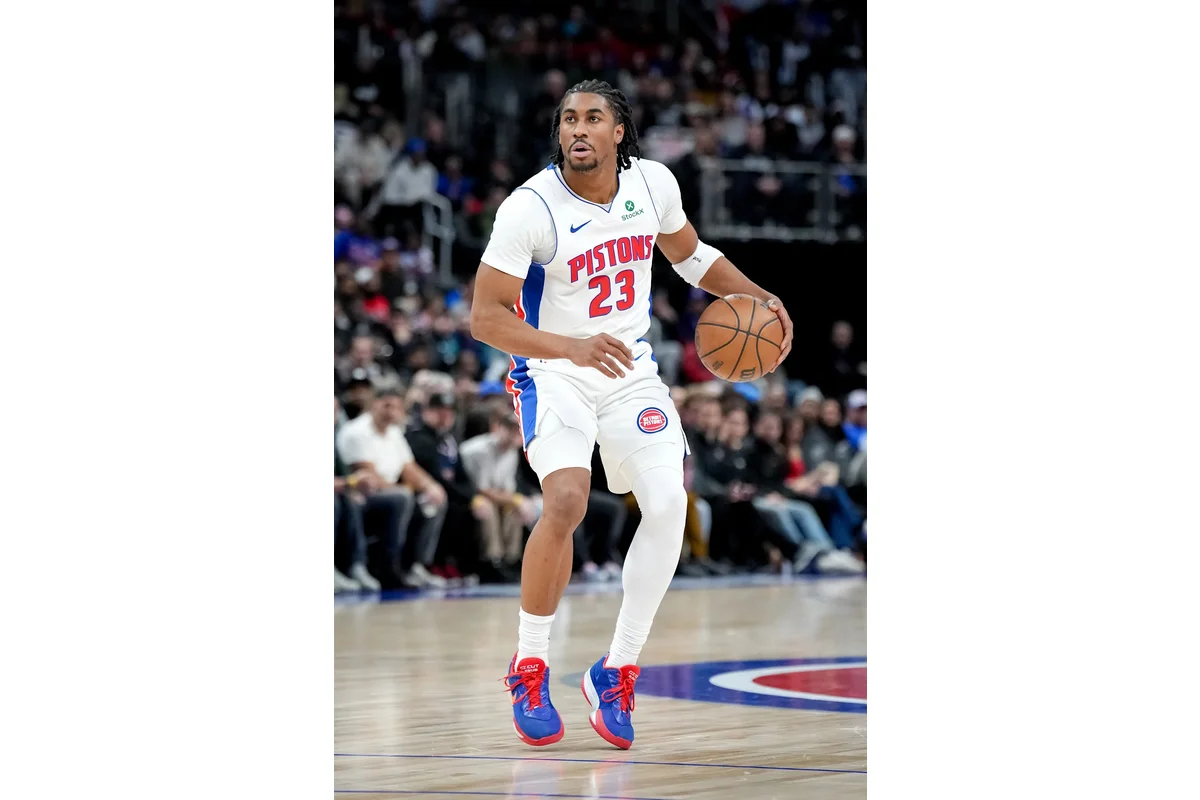
The Detroit Pistons completed a trade sending Jaden Ivey to their division rival, the Chicago Bulls, in exchange for Kevin Huerter, Dario Šarić, and a swap of draft picks with Minnesota in the 2026 NBA Draft. This move came as Detroit sought to avoid the financial burden of Ivey’s upcoming restricted free agency and his $30 million cap hold, instead opting for immediate assets and a more manageable salary situation.
Trading a young talent like Ivey, especially within the same division, is a difficult choice given his evident potential. Detroit faces the risk that Ivey could thrive with Chicago, forcing the Pistons to compete against him four times annually. However, the Pistons prioritized cap flexibility over retaining the promising guard, which opens a new chapter for both teams.
Chicago Takes on Contract Responsibility Amid Player Development Questions
The Bulls acquired Ivey without surrendering assets that would materially improve their current season, instead banking on Ivey’s upside. With Josh Giddey sidelined due to injury, Ivey is expected to receive significant playing time early on, providing an opportunity to prove his worth. However, once Giddey returns, Ivey may struggle to carve out the same role because Giddey, like Cade Cunningham previously in Detroit, is a dominant ball-handler controlling the offense.
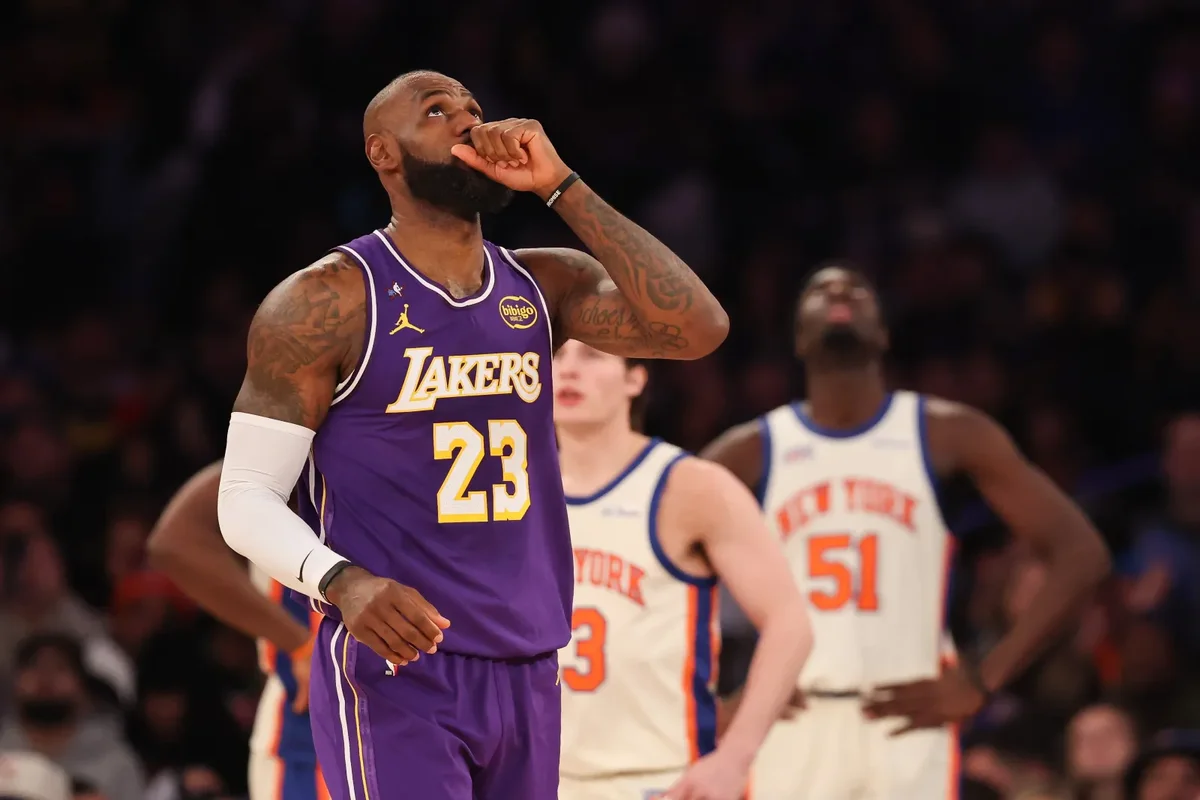
Given Ivey’s current limitations as a secondary playmaker and inconsistent three-point shooter, questions remain about how he fits within Chicago’s system. This uncertainty adds pressure to the Bulls’ decision-making, especially regarding Ivey’s long-term contract. If he performs well late in the season, the Bulls might find themselves facing a costly commitment reminiscent of the one they made with Patrick Williams, who signed a five-year, $90 million contract that included a controversial player option.
Such a financial commitment without ample evidence of fit or consistent production could backfire, echoing past mistakes in player evaluations and contract negotiations. The Pistons avoided this scenario by choosing not to carry the risk, preferring to invest in players like Daniss Jenkins, who come at a lower cost and with less impact on future salary cap flexibility.
Potential Outcomes and Future Implications for Both Franchises
For the Bulls, the move represents a gamble on a high-upside talent who may need time and consistent support to develop fully. They may seek a compromise, potentially negotiating a shorter-term deal to limit risk while assessing Ivey’s fit over the next season. Success with Ivey could bolster Chicago’s roster, but failure may compound the team’s contract management challenges.
Detroit’s decision highlights the difficult balance between nurturing young talent and managing salary cap priorities. By offloading Ivey’s contract, the Pistons gain financial flexibility and a more immediate contributor in Kevin Huerter, while increasing their draft position via the swap with Minnesota. This could help them build more sustainably, though the risk remains if Ivey flourishes elsewhere.
Ultimately, this trade underscores the high-stakes environment NBA teams navigate when weighing potential against financial responsibility, particularly within tightly contested divisions. The forthcoming season will reveal whether the Bulls’ gamble pays off or if the Pistons’ cautionary approach proves wiser.
