
Just a day before the NBA trade deadline, the Toronto Raptors completed a stunning three-team trade that landed future Hall of Famer Chris Paul on their roster. Though the Raptors had been linked to prominent players like Anthony Davis, Domantas Sabonis, and Ja Morant leading up to the deadline, this unexpected move centered on financial strategy rather than an on-court upgrade.
Despite adding Paul’s name to the lineup, the Raptors have no plans to have the 40-year-old point guard report to Toronto, as the transaction was designed mainly to alleviate luxury tax burdens for the team.
Strategic Motives Behind Acquiring Chris Paul
The Raptors’ acquisition of Chris Paul allows them to bypass the luxury tax, which had become a significant financial obstacle. This maneuver involved transferring the contract of Ochai Agbaji, valued at $6.4 million, to the Brooklyn Nets. As part of the deal, Toronto also sent a 2032 second-round draft pick to Brooklyn.
According to NBA insider Shams Charania,
“The Raptors will not require Chris Paul to report to the team and could still discuss trades involving him over the next day. Toronto is now out of the tax. Brooklyn picks up an asset and cash to cover Agbaji’s salary. The Clippers clear a roster spot and save $7 million in tax.”
This statement underscores the Raptors’ plan to use Paul as a financial asset rather than an active player at this stage.
Additionally, Chris Haynes reports that the Raptors are expected to waive Paul, suggesting that the move is temporary and deeply rooted in the team’s financial and roster flexibility strategy.
Chris Paul’s Recent Playing Status and Contract Implications
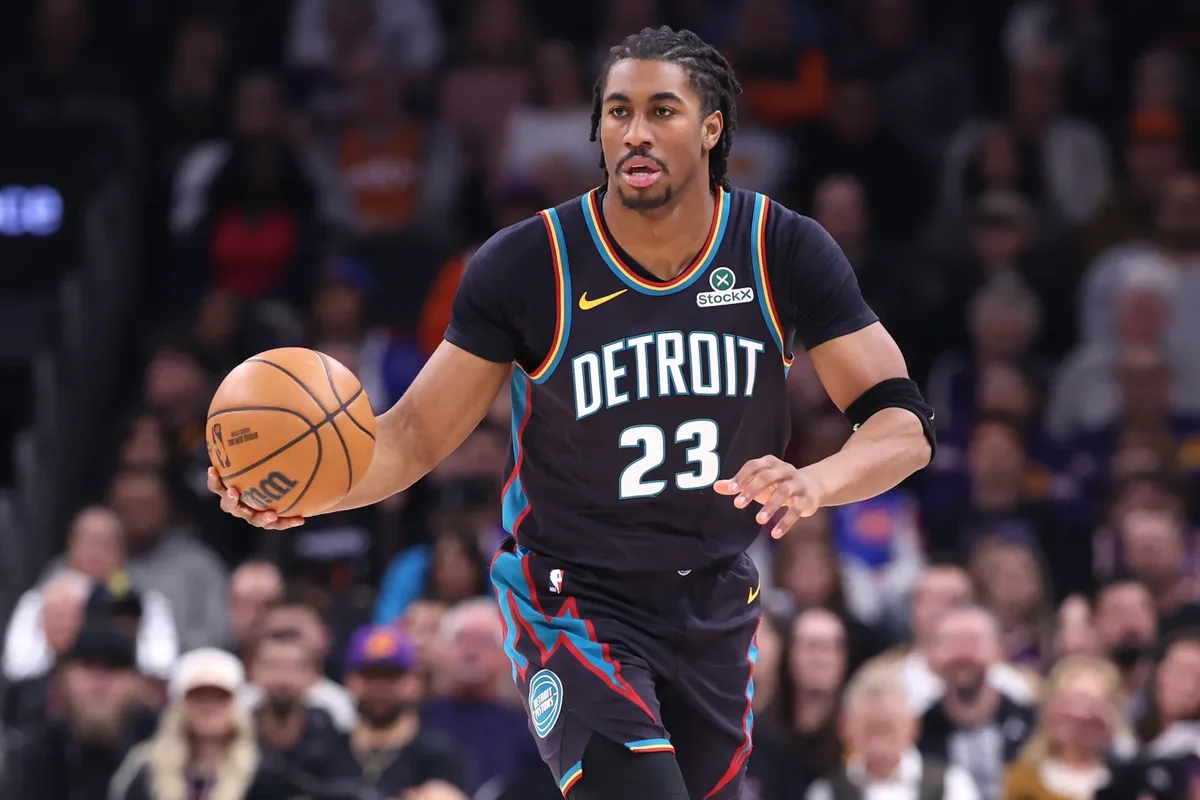
Paul, a 21-year NBA veteran, has not participated in a game for over two months after the LA Clippers sent him home, though he remained under contract. His salary and roster status enabled the Raptors to orchestrate this trade, effectively swapping Agbaji’s contract to Brooklyn and easing their luxury tax penalties.
Future Moves and Trade Possibilities Ahead of Deadline
While the Raptors have secured this tax relief maneuver, they continue to explore additional roster adjustments before the February 8 deadline at 3 p.m. Eastern. Discussions involving Domantas Sabonis and the Sacramento Kings remain active, keeping other potential player moves on the table.
Impact on Raptors and NBA Teams Involved
This trade illustrates the increasing complexity of NBA roster management, where financial considerations often drive personnel decisions. For Toronto, escaping the luxury tax provides more flexibility to pursue further trades or roster improvements without facing steep financial penalties. Brooklyn benefits by acquiring a young asset and cash to offset salary costs, while the Clippers clear space and reduce tax obligations.
The move’s significance lies less in immediate performance impact and more in the Raptors strategically positioning themselves to remain competitive within salary cap constraints. As the deadline approaches, fans can expect Toronto to maintain an active presence in trade discussions, balancing long-term planning with short-term necessities.
The Raptors will not require Chris Paul to report to the team and could still discuss trades involving him over the next day. Toronto is now out of the tax. Brooklyn picks up an asset and cash to cover Agbaji's salary. The Clippers clear a roster spot and save $7 million in tax. https://t.co/2Bu0sGZzJB
— Shams Charania (@ShamsCharania) February 4, 2026
