
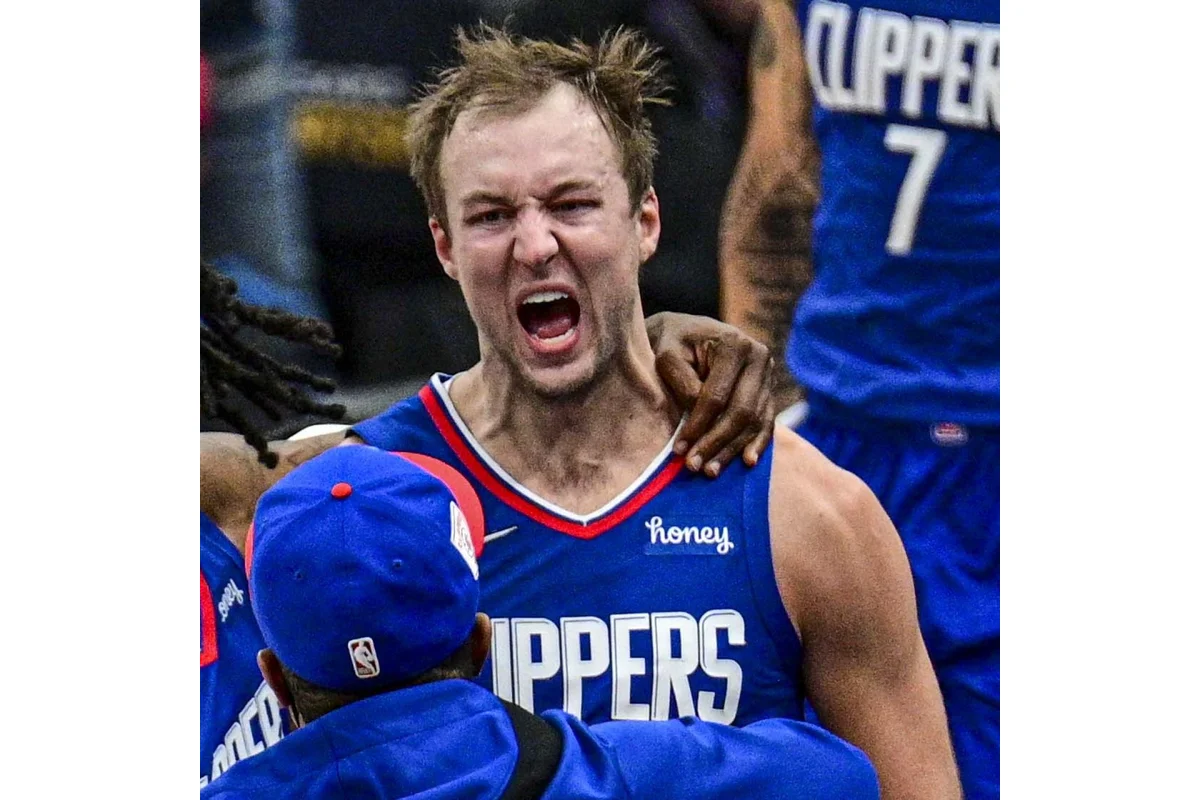
On the NBA trade deadline, the Los Angeles Lakers made a subtle but strategic move by acquiring sharpshooter Luke Kennard from the Atlanta Hawks. This trade, involving Gabe Vincent and a 2032 second-round pick going to Atlanta, was driven by the Lakers’ need to enhance their shooting, a critical component in their quest for a championship. With limited draft assets remaining and the aim to preserve future salary cap flexibility, the Lakers’ move focused on addressing their current offensive struggles rather than defensive shortcomings.
Limitations Around the Lakers’ Trade Options
Unlike previous trade deadlines where the Lakers have made bigger moves, this year presented significant constraints. The team had only one first-round and one second-round pick available, along with a few first-round swap rights, limiting its ability to secure major upgrades. These factors, combined with an already planned roster and offseason outlook that emphasized financial flexibility, shaped a deadline where only minor, targeted changes were possible. Consequently, the Lakers seem poised to maintain this roster through the rest of the 2025-26 season and playoffs.
Assessment of the Lakers’ Move: Embracing Offensive Gains
The Lakers’ trade for Kennard has been graded as a modest C+ move, reflecting a blend of necessity and compromise. Defensively, the team faces pronounced weaknesses that can’t be fixed with the exchange of a single second-round pick. They lack rim protection and strong defensive wings, and even their top offensive players—LeBron James, Austin Reaves, and Luka Dončić—are considered defensive liabilities. Thus, seeking improvement on defense was unrealistic given the assets and players available at the deadline.
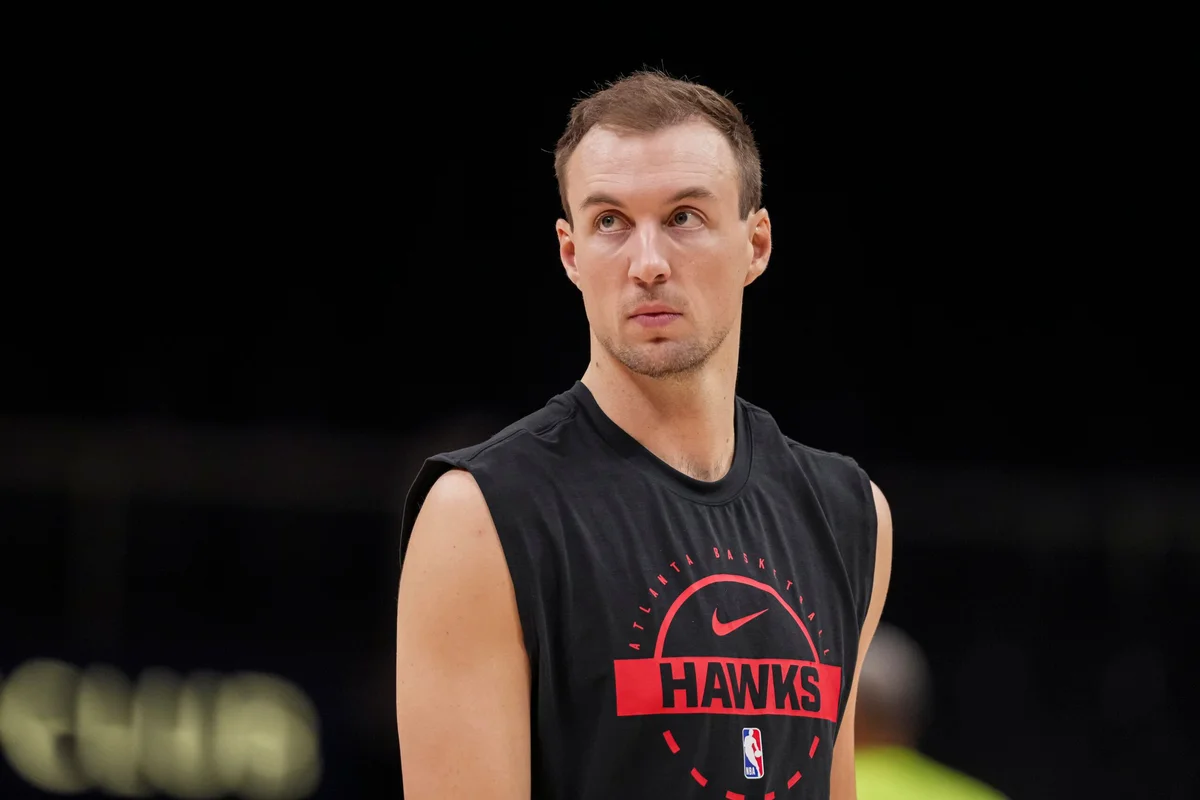
Instead, the Lakers opted to prioritize shooting to complement their existing offensive core. Despite featuring talent like Dončić and James, the team ranks ninth offensively, hampered by poor shooting efficiency and high turnover rates. While their 2-point field goal percentage and free-throw rate rank among the league’s best, their 3-point shooting remains subpar, sitting near the bottom half of the NBA. Luke Kennard, who leads the league in 3-point percentage this season and has done so in previous years, offers the Lakers a much-needed boost in perimeter shooting, a facet critical for their offensive ambitions.
The trade also reflects a strategic decision to replace Gabe Vincent—a player who logged excessive minutes and struggled defensively—with a specialist shooter. Vincent’s limited effectiveness inside the arc and defensive shortcomings made Kennard’s arrival appealing, especially since the deal did not involve taking on long-term salary commitments. This makes the trade a reasonable, low-risk gamble aimed at improving the Lakers’ floor spacing and scoring capability.
Atlanta Hawks’ Strategy and Trade Evaluation
The Atlanta Hawks, meanwhile, have adopted a different approach consistent with a team grappling with Play-In Tournament positioning and future roster construction. By trading Kennard, who may not be part of their long-term core following the addition of Corey Kispert, the Hawks secured a future second-round pick. This aligns with their broader plan of converting expendable assets into draft capital to build sustainably.
Financially, the Hawks managed the trade under cap space considerations by utilizing a $13.1 million trade exception that expired just before the deal, which in turn created a new $11 million exception for Kennard that remains usable for another year. This maneuver offers them more flexibility to make future moves if necessary.
Despite these advantages, the Hawks lose a reliable shooter in Kennard, which compounds the shooting deficits already caused by trades involving Vit Krejčí and others. While the trade may open up minutes for Jonathan Kuminga, a recent acquisition, the reduction in shooting depth could potentially hinder Kuminga’s development under better conditions. Buddy Hield, also acquired in the Kuminga deal, has struggled with shooting recently, making the Hawks’ outside shooting a concern going forward. Overall, the Hawks’ trade is viewed as a cautious step rather than a transformative one.
Implications and Outlook for Both Teams
The Luke Kennard Lakers trade highlights two teams navigating trade deadline challenges with distinct priorities and constraints. For the Lakers, the acquisition addresses a glaring need for improved shooting and offensive spacing, though it does not resolve deeper defensive deficiencies. This move signals the team’s commitment to maximizing their championship window by enhancing scoring options around their star players while preserving financial flexibility for the offseason.
For the Hawks, the trade aligns with a rebuilding or retooling approach focused on asset management and roster flexibility rather than immediate on-court gains. Although it sacrifices some shooting firepower, it opens avenues to develop young talent like Kuminga and leverages financial tools to remain adaptable in coming seasons.
As the season continues, the Lakers will look to integrate Kennard’s shooting prowess into their lineup, hoping this will catalyze a more potent and consistent offense during the playoff push. Meanwhile, Atlanta aims to assess their roster dynamics, balancing future potential against present competitiveness as they strive to improve beyond a Play-In Tournament team.
“Sometimes a coach needs to be saved from himself when it comes to a favored role player. Vincent played too much. It’s not exactly Redick’s fault. His other options weren’t exactly great. But his size was becoming a major problem on defense and his inability to do much of anything inside of the arc didn’t help on offense either. The Lakers turned a player who wasn’t really helping them into one who might. It’s not franchise-altering, but for a single second-round pick and without taking on any long-term money, it’s a reasonable bit of business.” ? JJ Redick, Former NBA player and analyst
The Los Angeles Lakers are trading Gabe Vincent and a 2032 second-round pick to the Atlanta Hawks for Luke Kennard, sources tell ESPN.
— Shams Charania (@ShamsCharania) February 5, 2026
