
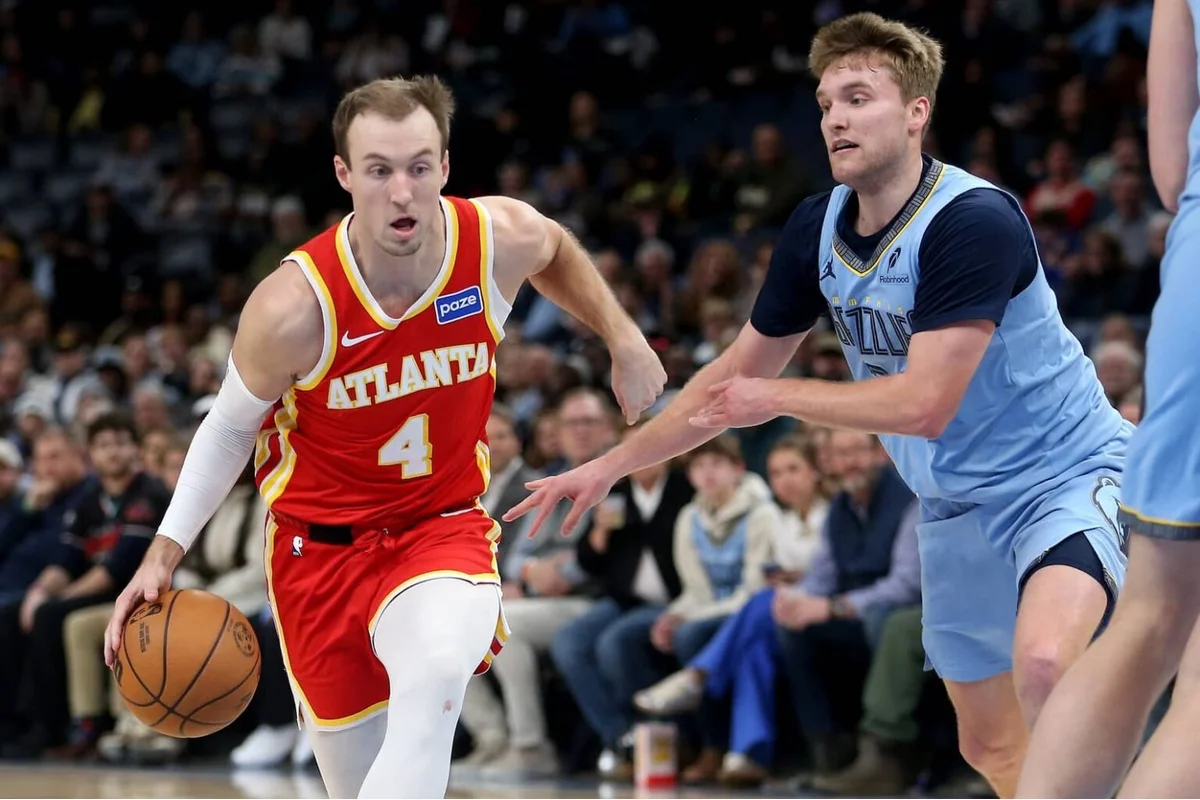
The Los Angeles Lakers completed a significant trade ahead of the 2025-26 NBA season, acquiring three-point specialist Luke Kennard from the Atlanta Hawks in exchange for veteran guard Gabe Vincent and a 2032 second-round draft pick. This move was designed to address the Lakers’ poor shooting performance from beyond the arc, but it also sends a confusing message to second-year guard Dalton Knecht about defensive expectations in Los Angeles.
Lakers add sharpshooter Luke Kennard amid defensive concerns
Luke Kennard is widely regarded as one of the NBA’s top three-point shooters, boasting an impressive career shooting percentage of 44.2 percent from deep, and an extraordinary 49.7 percent in the current 2025-26 campaign. Acknowledging this elite efficiency, the Lakers targeted Kennard at the trade deadline to bolster their perimeter scoring.
As reported by ESPN’s Shams Charania, the Lakers swapped Gabe Vincent—who carries an expiring contract—and a future second-round pick for Kennard, signaling a clear priority on long-range shooting.
“The Los Angeles Lakers are trading Gabe Vincent and a 2032 second-round pick to the Atlanta Hawks for Luke Kennard, sources tell ESPN.” – Shams Charania, ESPN
However, Kennard’s defensive shortcomings have long limited his playing time. Despite his offensive prowess, he has averaged over 25 minutes per game only once in the past four seasons and currently plays approximately 20.5 minutes per contest.
Defense inconsistencies cloud message to struggling guard Dalton Knecht
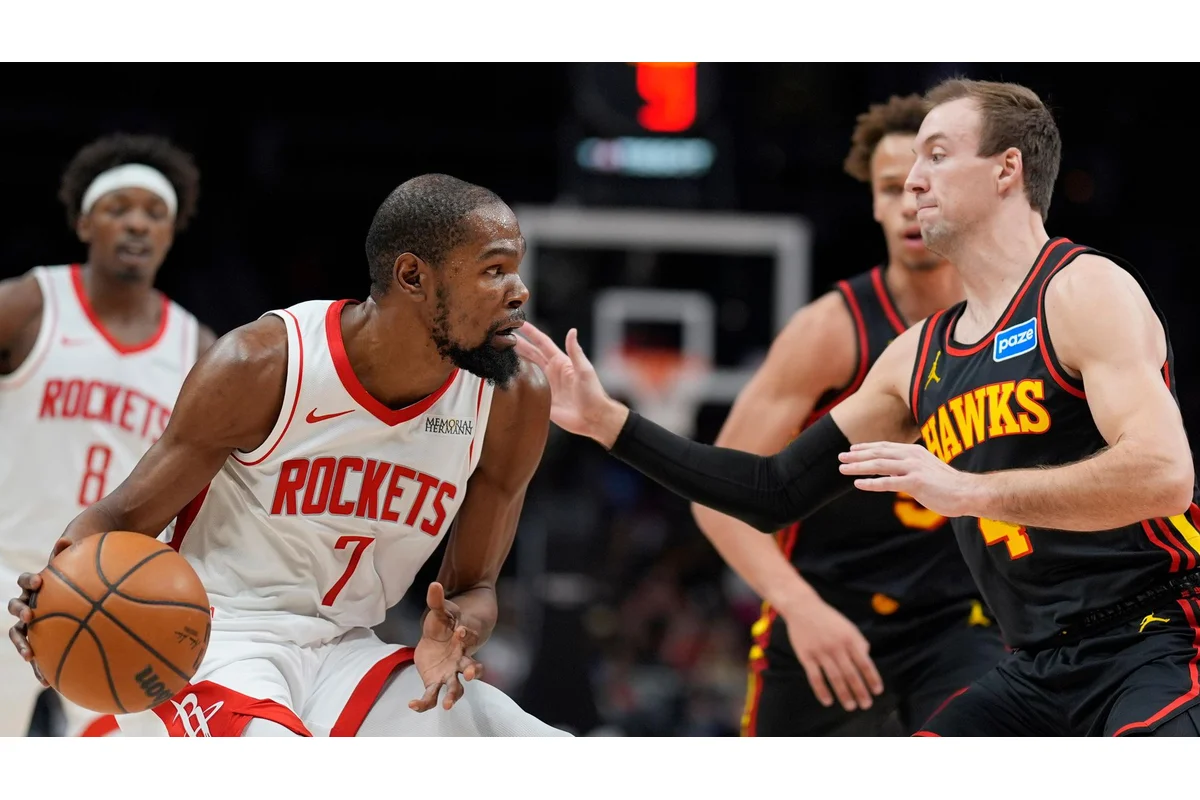
While Kennard’s reputation as an offensive weapon is solid, his defense remains a notable liability. Data from Basketball Index places him in the 30th percentile for perimeter isolation defense, with opponents shooting 4.7 percent better when Kennard is their primary defender. This gap widens to a 6.5 percent increase in opponent shooting within six feet of the rim.
Dalton Knecht, now in his second NBA season, faces challenges along similar defensive lines. His limited minutes—averaging just 11.7 per game—are largely attributed to struggles guarding alongside core players like LeBron James, Luka Doncic, and Austin Reaves, who themselves are not known for defensive consistency.
Given these defensive concerns, the Lakers’ willingness to trade their last second-round pick for Kennard raises tough questions. Knecht has been held back in minutes, despite showing offensive potential, including shooting 40 percent from three-point range in the 2024-25 season when given substantial playing time.
Trade highlights Lakers’ conflicting stance on defense and player development
The Lakers currently rank 24th in defensive rating, a factor that has influenced how the coaching staff allocates minutes, particularly affecting Knecht’s playing time. Yet, the choice to bring in Kennard—who struggles defensively—appears inconsistent with this cautious approach.
Knecht’s defensive challenges have limited his role, even as his shooting demonstrated promise. This contrasting treatment suggests the Lakers prioritize readiness and role-fit over specific skill sets, possibly undermining Knecht’s development by signaling that defensive shortcomings can be overlooked for established players but are less tolerated in emerging talent.
At the same time, Kennard’s acquisition could help the Lakers improve their offensive spacing and three-point efficiency, which has been a glaring weakness. However, it remains to be seen how the team will balance Kennard’s limited defense against the need for more solid perimeter defense.
Ultimately, the trade spotlights a tension within the Lakers’ roster strategy: the desire to boost scoring accuracy beyond the arc while managing defensive vulnerabilities. As the season progresses, how Los Angeles integrates Kennard and navigates Knecht’s role may significantly impact their defensive standings and postseason prospects.
The Los Angeles Lakers are trading Gabe Vincent and a 2032 second-round pick to the Atlanta Hawks for Luke Kennard, sources tell ESPN.
— Shams Charania (@ShamsCharania) February 5, 2026
