
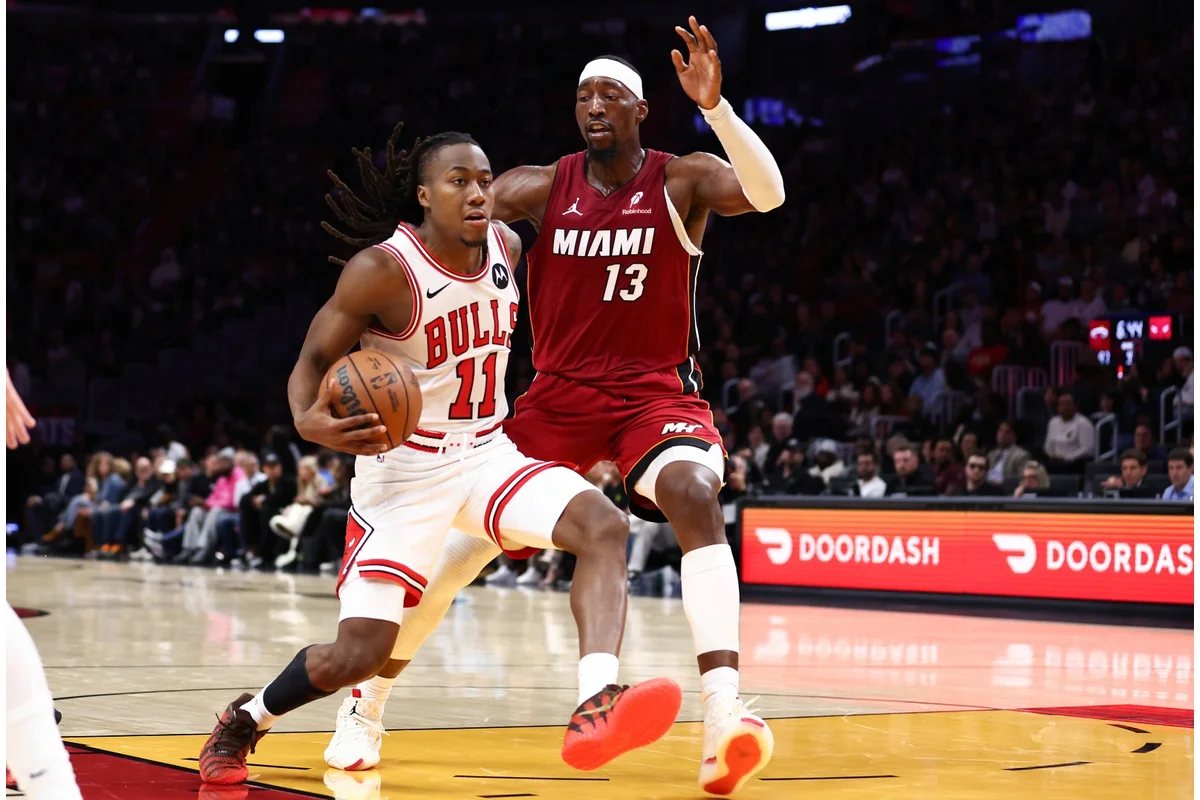
In a stunning sequence of events this week in Toronto, Artūras Karnišovas, the Chicago Bulls’ executive vice president of basketball operations, orchestrated seven trades that sent eight players out of the franchise, including key figures Coby White, Nikola Vučević, and Ayo Dosunmu. These transactions aim to realign the team’s future prospects by acquiring a cache of second-round draft picks and a collection of mostly young, uncertain players who may or may not remain on the roster next season, marking a pivotal moment in the Bulls’ approach to rebuilding.
The Chicago Bulls trade overhaul reveals a team seeking to jolt itself from mid-tier status toward championship contention, even as the exact blueprint remains unclear.
Karnišovas Emphasizes Championship Ambitions Over Mediocrity
Following the trade deadline, Karnišovas expressed resolute ambition, stating,
“The play-in is not our goal. A championship is,”
during a video news conference. He further asserted,
“We know where we are in the standings and we are not satisfied with being in the middle as an organization or for our fans.”
This reflects a growing impatience with the team’s prior middling performances and a firm commitment to aiming much higher.
Since the start of the season, Karnišovas has avoided labeling this phase as a full rebuilding project, instead focusing on steady development without skipping steps. However, the recent transactions mark a sudden and sharp departure from a previously cautious approach that avoided large risks or outright tanking.
Long-Term Plan Behind Late-Season Overhaul
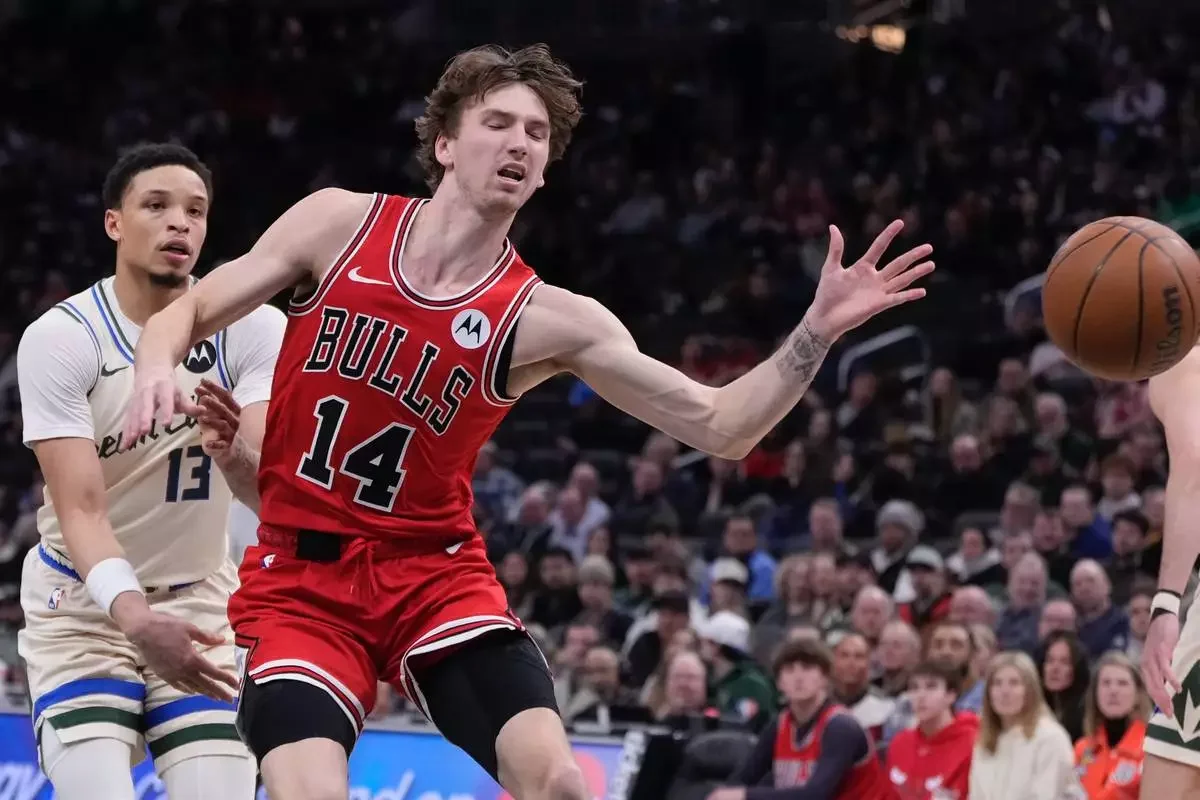
Karnišovas insists these trades were part of a premeditated strategy established early in the season, explaining that the organization began with “very mild expectations,” concentrating on player growth and improvement. The departure of expiring contracts was necessary
“to get out of the middle,”
reflecting a desire to change the franchise’s trajectory rather than settle for mediocre results.
The surge in second-round draft picks—acquiring nine this week, now totaling 14 over the next seven years—illustrates a strategic pivot. The Bulls had previously dismissed second-rounders as “devalued” but now recognize them as essential “currency” for trades and acquisitions, according to Karnišovas. These assets will be vital during the upcoming draft, free agency, and other roster-building efforts.
Current Roster Shape Presents Immediate Challenges
Despite the larger vision, the current Bulls lineup is described by Karnišovas as a “mess,” with seven guards occupying the main rotation and Nick Richards as the sole healthy center under a full contract. This roster imbalance is even more glaring compared to local college teams like DePaul and Illinois.
The executive voiced concern:
“I’m definitely worried about so many new players on the team and how little time we have for cohesion,”
though he expressed confidence in Coach Billy Donovan and his staff to manage the adjustment process.
This short-term roster is intentionally constructed to likely fall out of playoff contention, setting the Bulls up for a stronger position in the 2026 draft lottery. Six of the newly acquired players have expiring deals, providing flexibility to reshuffle without long-term commitments after a brief, roughly 30-game field test.
Missed Opportunities and Market Realities
Critics argue the front office’s delay in committing fully to a roster rebuild has impaired the team’s draft positioning, as the Bulls won too many games earlier in the season to qualify for a top pick. This hesitation also impacted trade values, with Coby White failing to generate a first-round pick return despite his former reputation as a promising young guard.
Karnišovas justified the timing of moving White and Dosunmu by emphasizing the need to avoid losing free agents without compensation, noting that trade outcomes reflected market demand, though White’s calf injuries reduced his trade value considerably.
Asked about regrets over the timing, Karnišovas responded,
“I do not. I think we were at that stage as well, we continued evaluating our young guys. Right now it’s a good timing, and we addressed it.”
Uncertain Future Hinges on High-Stakes Goals
The success of this ambitious trade deadline transformation depends heavily on several outcomes yet to unfold. The Bulls must endure a significant downturn over the remaining 30 games to secure a valuable lottery pick, ideally within the top five. Additionally, they will need to engage in aggressive summer trades to optimize salary flexibility, enhancing their capacity to attract talent.
Perhaps most critically, Chicago must renew its appeal as a destination for free agents — a challenge that has plagued the franchise for decades.
Karnišovas candidly admitted,
“I don’t know what we’re going to look like in a year. I don’t know what’s going to happen during the draft. I don’t know what is going to happen in free agency. So I think it’s very early to say what we’re going to look like. … I think Chicago is still a desirable market for players to come. We’re just going to take one thing at a time.”
Trade Summary and Broader Impact
In total, the Chicago Bulls completed seven trades involving eight players at the NBA trade deadline, signifying a bold roster overhaul. This flurry of moves sends a message that the organization is willing to take substantial risks to shift away from the status quo and pursue championship aspirations. While the immediate aftermath presents a disorganized roster filled with uncertainty, the accumulation of future draft picks and salary flexibility offers the front office leverage to rebuild aggressively.
The effectiveness of this strategy will be tested over the coming months as Chicago seeks to capitalize on their 2026 draft positioning, negotiate impactful summer trades, and attract free agents willing to buy into this evolving vision. For a franchise yearning to recapture former glory, the stakes could not be higher, making this Chicago Bulls trade overhaul a defining chapter in the team’s pursuit of excellence.
