
The Denver Nuggets have taken decisive action at the 2026 NBA Trade Deadline by trading forward Hunter Tyson to the Brooklyn Nets, aiming to reduce their payroll and avoid surpassing the luxury tax threshold. This maneuver includes a swap of second-round draft picks designed to help the Nuggets stay financially compliant while maintaining roster flexibility.
Details of the Tyson Trade and Draft Pick Exchange
According to ESPN’s Shams Charania, Denver sent Hunter Tyson along with their 2032 second-round pick to Brooklyn. In return, the Nuggets received the less favorable 2026 second-round pick between those held by the Los Angeles Clippers and the Atlanta Hawks, roughly equivalent to a mid-40s selection in the draft.
“The Denver Nuggets are trading Hunter Tyson and a 2032 second-round pick to the Brooklyn Nets for the lesser favorable of a Clippers/Hawks 2026 second, sources tell ESPN. Denver creates an open roster spot for the buyout market and gets out of the luxury tax.” — Shams Charania, NBA Insider
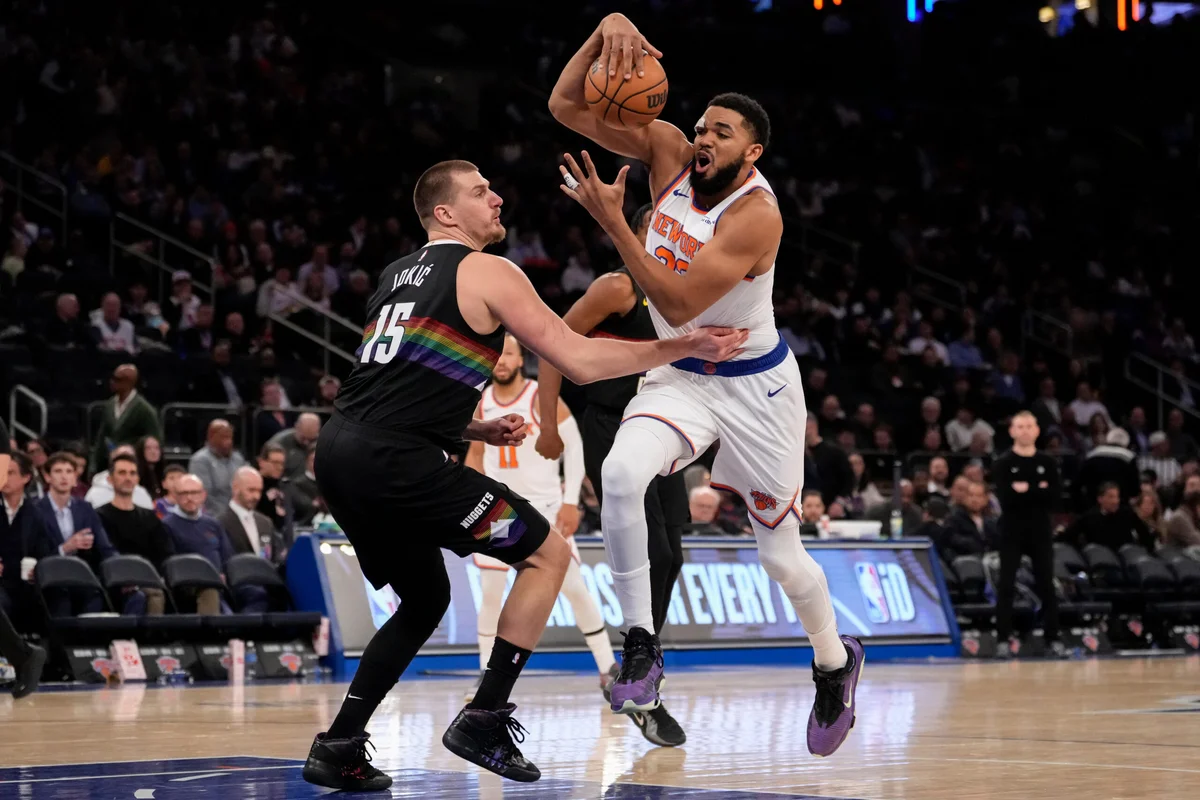
This trade also means the Nets now hold multiple future Denver picks, including the Nuggets’ 2032 first-round draft choice, signaling a wager on Denver’s performance decline by that time, especially considering star Nikola Jokic’s advancing age.
Hunter Tyson’s Role and Contract Challenges
Tyson appeared in 90 games over three seasons with Denver, averaging 2.2 points in about seven minutes per contest, with a three-point shooting percentage around 28%. Chosen as the 37th pick in the 2023 draft by then-general manager Calvin Booth, Tyson’s selection was viewed skeptically and has not yielded significant impact, complicated by a rare three-year guaranteed contract that now burdens the Nuggets’ salary cap.
Impact on the Nuggets’ Roster and Payroll
By moving Tyson’s $2.2 million salary, Denver reduces its luxury tax exposure to roughly $1.8 million under the threshold with a 13-player roster. This trade opens a roster spot that Denver intends to use to bring in players via the buyout market and potentially convert Spencer Jones’ deal into a full-time contract, adding depth for the playoff push.
“The Nuggets are now $1.8 million below the luxury tax. They will convert Spencer Jones to a prorated number below that and very likely carry 14 players into the playoffs.” — Ryan Blackburn, NBA Analyst
Despite this, balancing the addition of a buyout signing alongside Jones’ expected full-time promotion complicates remaining under the luxury tax line, leaving Denver’s front office, led by EVP of basketball operations Ben Tenzer, with a challenging financial puzzle.
Evaluating the Trade’s Effect on Denver’s Championship Prospects
This salary move is unlikely to boost the Nuggets’ title chances immediately and does not markedly improve their long-term competitive position. The decision reflects a pragmatic approach to financial management, honoring ownership’s directives amid limited options.
Denver’s success moving forward will rely heavily on improving player health rather than roster upgrades through trades or acquisitions. While this strategy may not maximize their title potential right now, it positions the team to avoid costly luxury tax penalties and remain flexible as they prepare for the playoffs.
The Denver Nuggets are trading Hunter Tyson and a 2032 second-round pick to the Brooklyn Nets for the lesser favorable of a Clippers/Hawks 2026 second, sources tell ESPN. Denver creates an open roster spot for the buyout market and gets out of the luxury tax.
— Shams Charania (@ShamsCharania) February 5, 2026
The Nuggets are now $1.8 million below the luxury tax. They will convert Spencer Jones to a prorated number below that and very likely carry 14 players into the playoffs. pic.twitter.com/wcsifH5d51
— Ryan Blackburn (@NBABlackburn) February 5, 2026
