
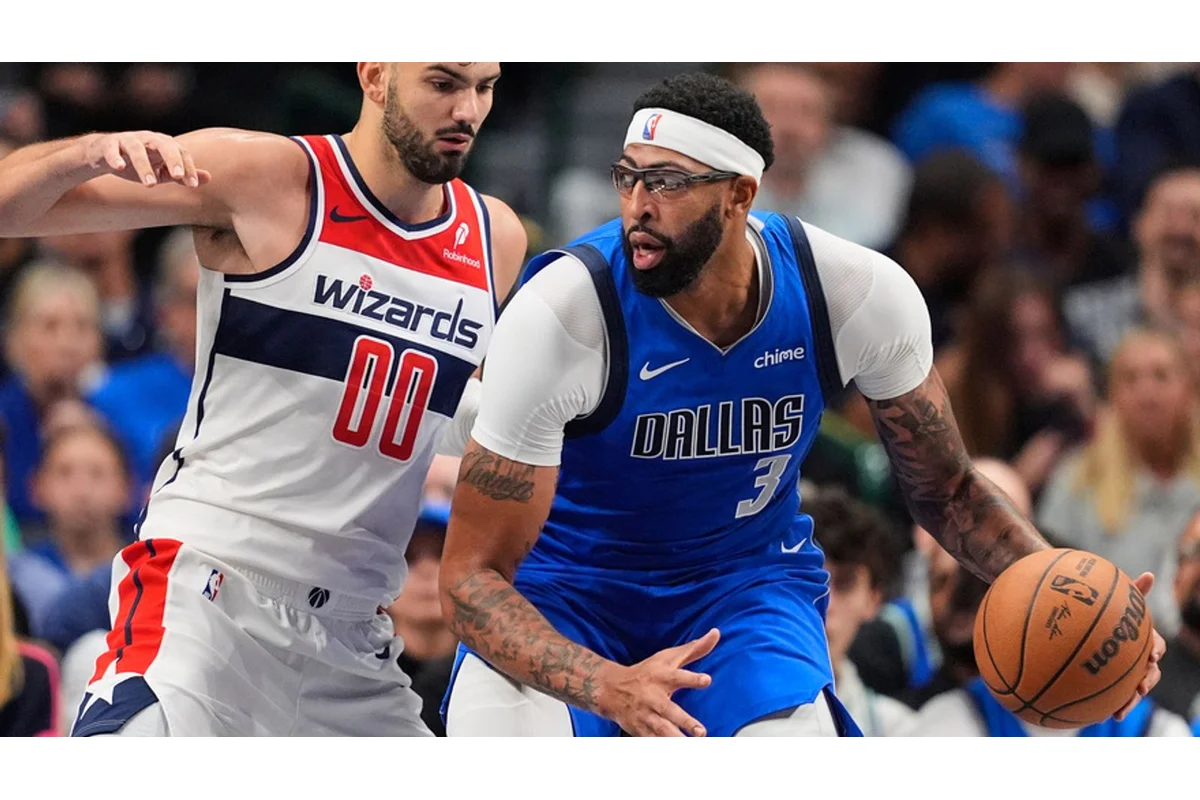
The Dallas Mavericks officially concluded their involvement with Anthony Davis by trading him to the Washington Wizards just before the NBA trade deadline. This move, aimed at gaining salary relief and future flexibility, has generated mixed reactions across national basketball media, with opinions ranging from viewing the trade as a misstep to considering it a strategic success. The debate centers on whether this deal positions Dallas positively for the future or exposes underlying organizational misjudgments.
National Media Ratings Reflect Divergent Views on the Deal
ESPN’s Kevin Pelton gave the Mavericks’ decision a grade of B, emphasizing the constraints the team faced. He highlighted that Davis’ significant salary made finding a trade with valuable draft assets or promising young players difficult. Pelton noted that in today’s NBA environment where managing the salary cap is critical, the Mavericks’ choice to move Davis before incurring a luxury tax penalty was a wise financial move.
“Of those choices, I’m totally fine with making this deal now, which was the best way for Dallas to avoid paying a huge luxury tax bill for a lottery team.” – Kevin Pelton, ESPN Analyst
Meanwhile, The Athletic’s Zach Harper and colleagues assigned the trade a C, viewing it as a necessary step for Dallas to reset. Harper underscored Dallas’ salary concerns, noting the team once had the fourth-highest payroll in the league and limited draft capital. The trade was seen as a way to clear salary and acquire draft resources to rebuild around recently drafted guard Cooper Flagg.

“Dallas needed to do two things with a Davis deal: shed salary and restock its cupboard of draft picks. The Mavericks had the fourth-highest payroll in the NBA, controlled only two first-round picks outright until 2031, and had no second-round picks until 2030, before the Davis trade. This move gives them more flexibility and ammunition as they try to reset around Cooper Flagg.” – Zach Harper, The Athletic
CBS Sports’ Sam Quinn expressed skepticism about the quality of assets received in return, grading the trade a C-. He described the draft picks involved as having minimal real value due to protections and late pick positions. However, he acknowledged the significance of achieving salary relief and freeing Dallas from the pressure of Davis’ max contract extension next season.
“This is a cap dump dressed up as a blockbuster. In one move, the Mavericks went from $16 million above the luxury tax line to below it altogether. Perhaps more importantly, they got off of the next two years of his max contract, and the pressure for an extension that would have come with it. That’s not nothing. They are now free to build around Cooper Flagg in earnest. The ghosts of the Dončić trade can now be put to rest. Everyone in Dallas can move on.” – Sam Quinn, CBS Sports
Other Perspectives Highlight Contrasting Evaluations of the Trade
Yahoo! Sports’ Morten Stig Jensen rated the transaction highly with an A, emphasizing the positive financial flexibility Dallas gained. He acknowledged the significant failings of the earlier Luka Dončić trade but credited the Davis deal as a step in the right direction, enabling the Mavericks to focus on youth, specifically Cooper Flagg.
“They now gain a ton of salary flexibility to build around Cooper Flagg, which is what the plan should have been since he was drafted first overall last summer.” – Morten Stig Jensen, Yahoo! Sports
Conversely, Sports Illustrated’s Liam McKeone offered a critical D+ assessment. He suggested that Davis’ departure was inevitable after the firing of the team’s former general manager Nico Harrison and the player’s ongoing injury challenges and contract extension demands. McKeone questioned the return Dallas received for Davis, proposing it was underwhelming considering the circumstances.
“But still. This was the best they could do?” – Liam McKeone, Sports Illustrated
Bleacher Report’s Dan Favale gave the trade a D-, criticizing the front office’s delayed response to the failed Luka Doncic trade repercussions. He argued that earlier action from team leadership, especially governor Patrick Dumont, might have yielded better compensation and emphasized the importance of replenishing draft picks amid Dallas’ lack of long-term options.
“Had Dumont acted sooner, the Mavs could have gotten more for Davis than what might amount to one first-round pick, four seconds, tax relief and overall financial flexibility. Even now, it’s fair to question whether they could have gotten more if they were willing to take on longer-term money. Restocking the pick deck should have been a bigger priority when Dallas doesn’t control its own after 2026 until 2030.” – Dan Favale, Bleacher Report
Implications of the Trade for Dallas Mavericks’ Future
The Mavericks’ decision to move Anthony Davis shifts the franchise’s trajectory by removing a burdensome contract that had complicated roster management and salary cap planning. While some analysts celebrate the flexibility gained to build around young talent Cooper Flagg, others criticize the insufficient return and question the front office’s timing and strategy. The trade highlights the challenges Dallas faced after trading for Davis in the wake of the controversial Luka Dončić deal, which had already shaken the franchise’s stability. Going forward, Dallas will seek to capitalize on its increased financial room and draft capital to rebuild a competitive team.
As the Mavericks regroup, the success of this trade will be judged by how effectively they integrate their young players and utilize their expanded draft assets. The broader significance lies in whether this move helps the team overcome previous miscalculations and sets them on a sustainable path back to contention.
