
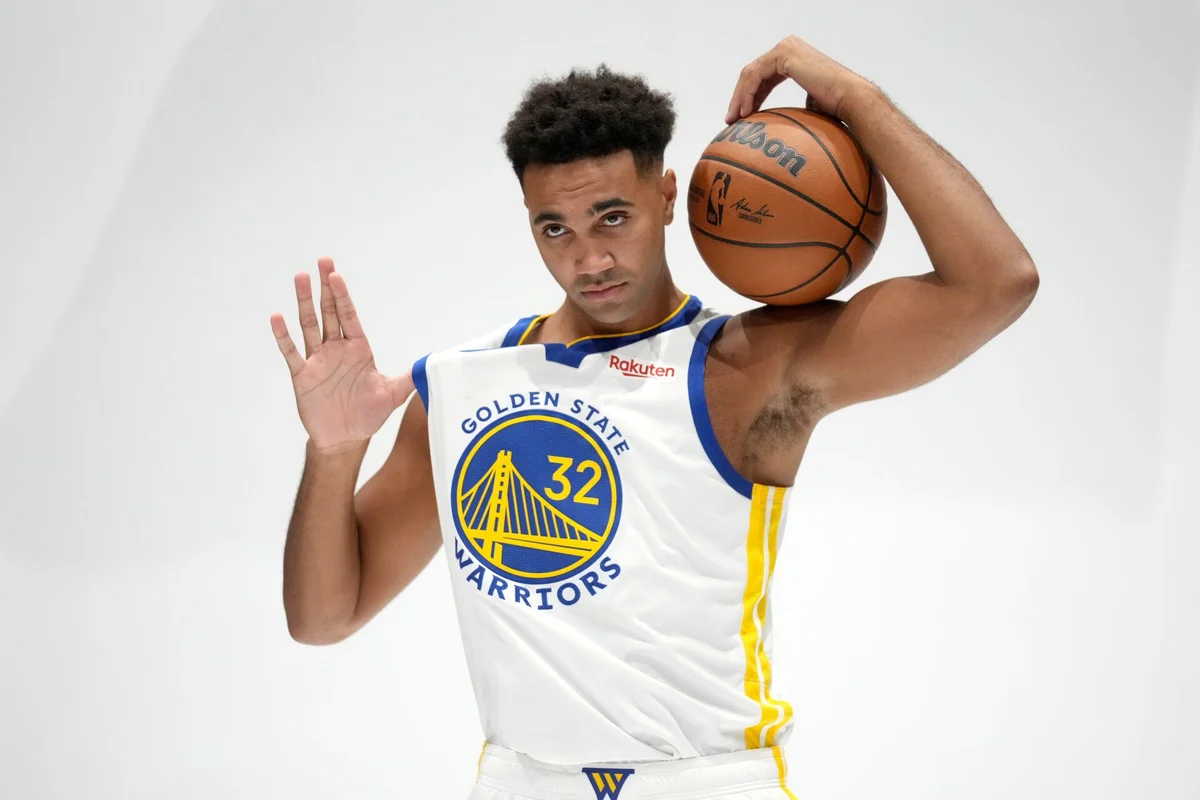
At the NBA trade deadline, the Toronto Raptors made a subtle move by acquiring big-man Trayce Jackson-Davis from the Golden State Warriors in exchange for a second-round draft pick. This transaction, while not a blockbuster, supplies Toronto with added frontcourt depth at minimal cost, reflecting a strategic decision linked to their current team timeline.
Evaluating the Impact on Toronto’s Roster
The key question following this trade was whether the Raptors improved, and the answer leans toward yes. Toronto identified the need for a physical presence in the frontcourt to support their rotation while Jakob Poeltl recovers from injury. Jackson-Davis fits this requirement without costing the team much in future assets.
Approaching his 26th birthday, Jackson-Davis is in his third season after being selected 57th overall in the 2023 NBA Draft. During his rookie year with Golden State, he had a meaningful role, but his minutes and usage have diminished with each passing season. This season, he’s averaged 4.2 points and 3.1 rebounds in just over 11 minutes per game.
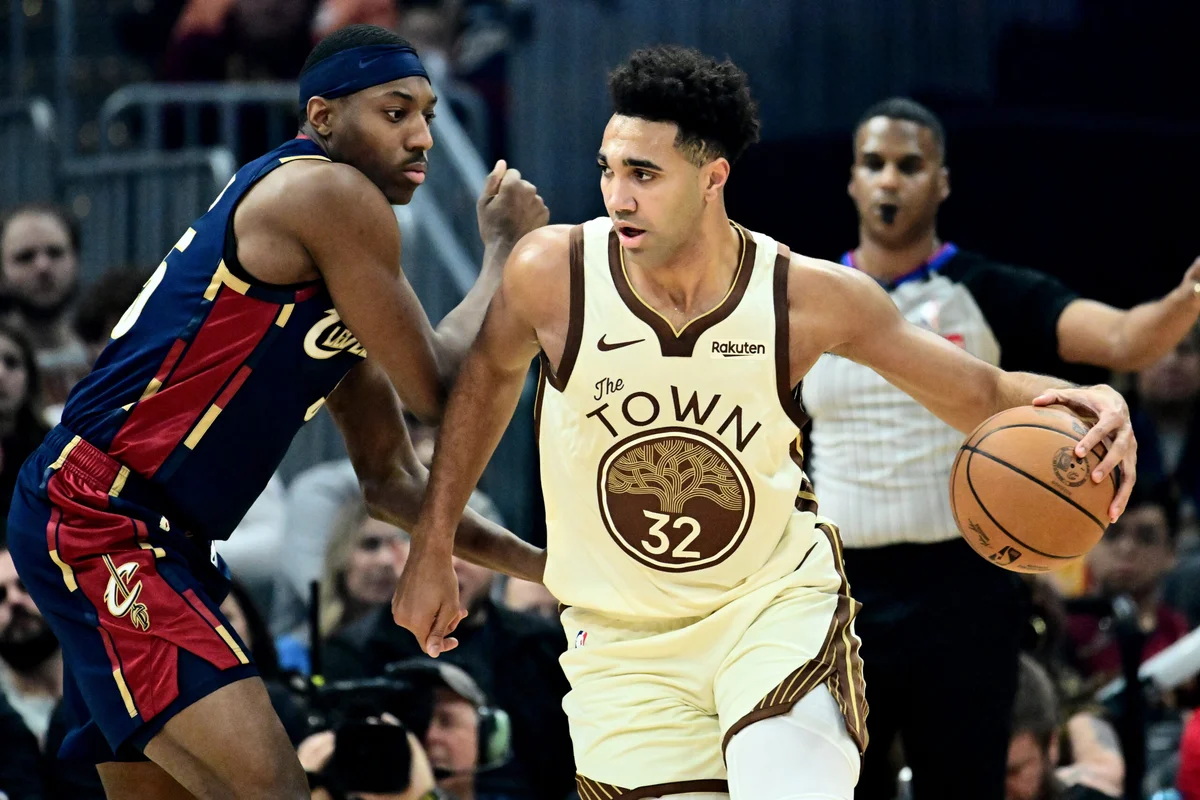
Though his statistics are modest, Jackson-Davis complements Toronto’s playing style well. While not a floor-spacing player, he excels in transition, rebounding, and brings a positive presence off the court—all qualities that align with the Raptors’ emphasis on pace, effort, and defensive versatility from their frontcourt players.
Considering Alternatives to the Trade
Some fans hoped Toronto would leverage more assets to acquire a more established big man, with frequent mentions of players like Anthony Davis or Domantas Sabonis. However, such moves would likely have been unrealistic and costly. There was, however, a middle ground the Raptors could have explored.
For instance, Jock Landale offers solid production with averages of 11.3 points and 6.5 rebounds in nearly 24 minutes per game, while also providing dependable floor spacing. Landale was briefly a trade asset linked to Jaren Jackson Jr. before being moved to Atlanta as part of a salary dump.
A player like Landale might have offered Toronto a more immediate upgrade than Jackson-Davis, but acquiring him would have necessitated additional salary matching or asset commitments—something Toronto appeared intent on avoiding at this time.
What This Trade Means for Raptors Fans
The trade for Jackson-Davis is not a high-impact move, but it directly addresses a key roster need inexpensively. More importantly, it offers insight into how Toronto’s front office views the team’s progression. The organization seems committed to building playoff experience while prioritizing internal development over major roster investments.
This approach emphasizes long-term growth and maintaining flexibility rather than swinging for a rapid overhaul. Raptors supporters should view this trade as a modest victory: Jackson-Davis raises the baseline competitiveness of the team without sacrificing future options.
In the broader scope, this kind of calculated acquisition aligns with a team focusing on steady improvement, signaling determination and patience from the Raptors’ leadership as they balance current challenges with future goals.
