
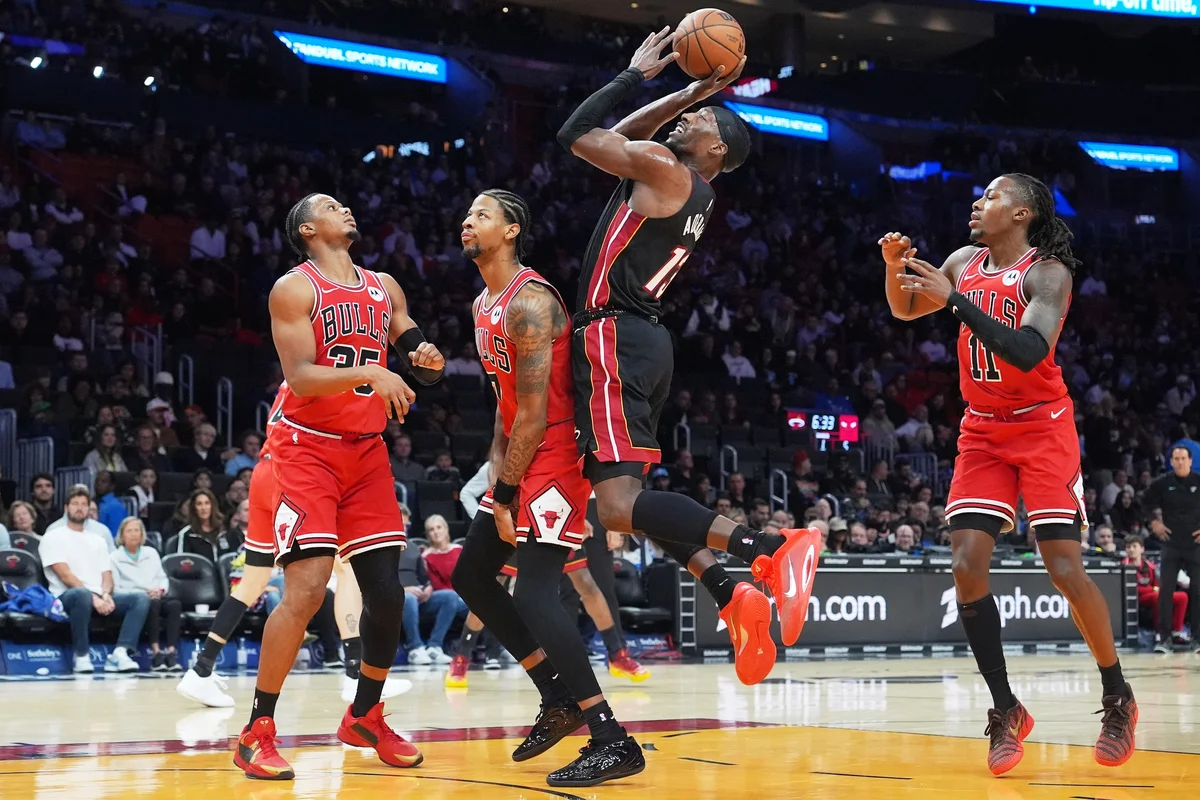
In a whirlwind six-day period leading to the NBA trade deadline, the Chicago Bulls executed seven trades, moving eight players to reshape their roster. This drastic overhaul, driven largely by expiring contracts and a push toward rebuilding, was confirmed by executive vice president of basketball operations Artūras Karnišovas, who indicated the team is willing to endure short-term setbacks to position itself better in the future. The Chicago Bulls trade deadline moves mark a pivotal, albeit risky, new direction for the franchise.
Why the Bulls were compelled to dismantle their roster now
Facing eight contracts set to expire, the Bulls had limited options but to overhaul their lineup. This extensive turnover could have been controlled more strategically had it started earlier, but the team found itself forced into a fire sale scenario this deadline, moving nearly all expiring contracts except for Zach Collins, who remained off the market due to lingering injuries. This situation starkly contrasts with the front office’s previous reluctance to commit fully to a rebuild, as Karnišovas had attempted to avoid such a teardown in past seasons.
Had the Bulls begun this transition last year, they might have maximized value by trading assets like Coby White and Nikola Vučević when both were healthy and highly productive. Earlier moves could have significantly improved their draft position in the forthcoming 2025 draft and better positioned them for a serious tanking effort in 2026. Instead, the Bulls’ delay has left them with a middling record and limited odds of securing a top lottery pick, as teams actively tanking have already posted fewer wins, creating a gap difficult to close in the season’s remaining games.
Increased chances at improved draft positions amid an uphill climb
Despite these setbacks, the recent trades have increased the Bulls’ chances of landing a top-four pick in the 2025 NBA draft from 2.4% to 6.2%. While this remains modest compared to the odds had the team committed to a rebuild a year ago, further losses could elevate these odds to over 30%. The front office’s ability to navigate this delicate tanking stage will be crucial in determining the franchise’s trajectory in upcoming years.
Accumulating second-round picks: a gamble or strategic asset?
The Bulls entered the deadline with skepticism about the value of second-round picks, generally viewed as risky investments in today’s draft landscape. Surprisingly, they acquired nine additional second-round selections, bringing their total to 14 and tying them with the Detroit Pistons for the third-most in the league. While second-round picks can be unpredictable, Karnišovas has demonstrated an ability to discover valuable talent in this range, exemplified by drafting Nikola Jokić at No. 41 in 2014 and Ayo Dosunmu at No. 38 in 2021.
However, using these picks for future trades poses challenges. Unlike the first round, there is no consistent conversion rate for combining second-rounders to secure a first-round pick, complicating the front office’s ability to leverage this capital down the road. Still, adding draft assets reflects a long-term approach that could pay dividends if managed adeptly.
Trade breakdown: evaluating each major move
Trade 1 – Low-risk acquisition of future draft picks
This quiet initial move involved trading a two-way player for an expiring contract, which was quickly flipped again, ultimately netting the Bulls a couple of second-round draft picks. Though these picks rank low in immediate value, this transaction was a tidy early success in a hectic week. Grade: A
Trade 2 – Bringing in Jaden Ivey with upside potential
Sending out an expiring contract in Kevin Huerter, who struggled with consistency and didn’t fit the Bulls’ timeline, Chicago acquired Jaden Ivey, a former No. 5 overall pick and restricted free agent. Ivey has yet to regain his pre-injury form following a serious leg fracture sustained on New Year’s Day last year but remains young enough to recover athleticism and impact the rotation positively if healthy.
“Who are the 7 new Chicago Bulls? Meet Jaden Ivey, Anfernee Simons and the rest of the deadline additions.”
– Source Article
Grade: A-
Trade 3 – Moving Nikola Vučević to bolster future assets
After failing to trade Vučević in previous windows, the Bulls finally moved the veteran center in a deal that benefited all parties. Vučević, who averaged 16.9 points per game and contributed significantly on both ends, was near free agency and willing to accept a bench role for a contender. In return, the Bulls secured a high second-round pick initially owned by the New Orleans Pelicans, giving them valuable draft capital at an opportune moment despite the move coming later than optimal.
This trade allowed Vučević to join a desirable team while enabling the Bulls to continue their tank for talent approach.
Grade: A-
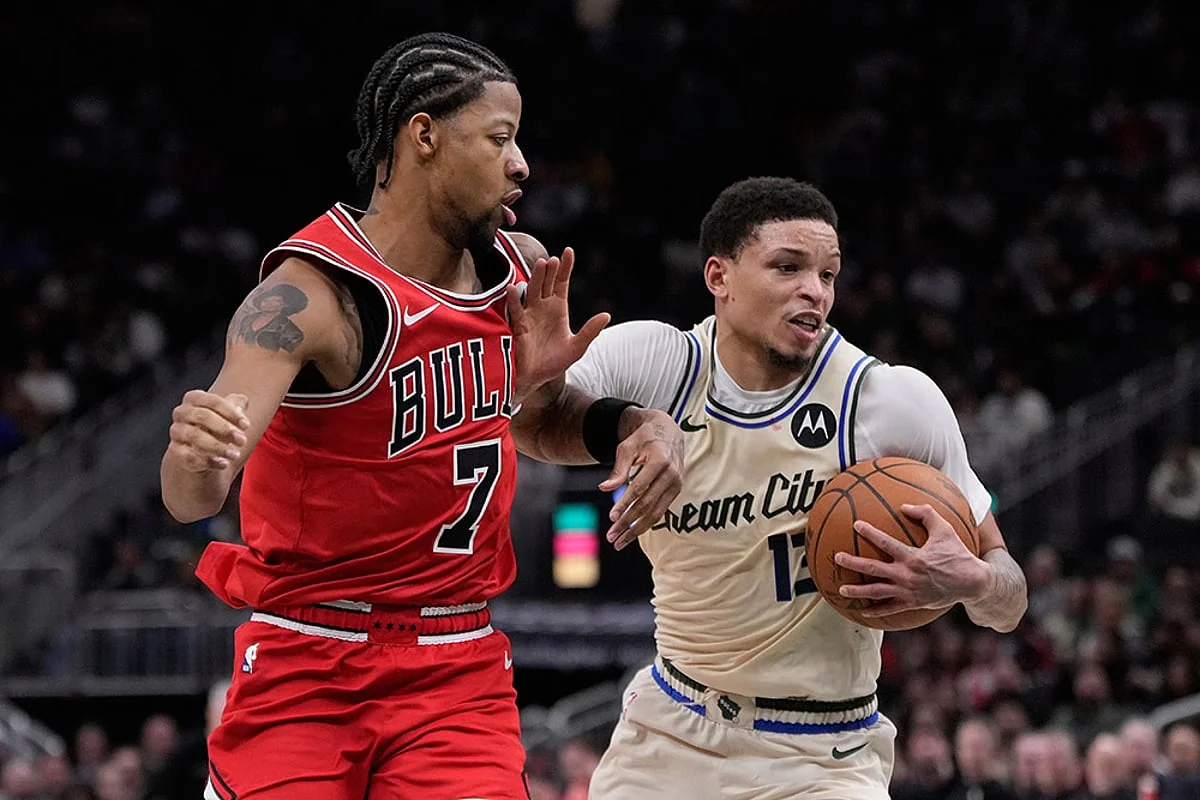
Trade 4 – Letting go of Coby White to cut ties with the past
Financial constraints and roster direction left the Bulls with no choice but to trade Coby White, their second-leading scorer. They sent him to the Charlotte Hornets, who directly compete for the play-in tournament spots, exemplifying a clear tanking tactic to enhance draft position by weakening contenders. White’s recurring calf injuries have diminished his value compared to his peak performance, and the Bulls settled for draft assets rather than the first-round pick they ideally sought.
“With Coby White’s trade, the Chicago Bulls cut ties to the past — and give up the heart of their locker room.”
– Source Article
This trade remains a difficult loss for the franchise given White’s potential and emotional connection to Chicago. The assets acquired, including Collin Sexton, offer a mix of youth and experience but do not fully replace White’s impact either on the court or in team identity.
Grade: B-
Trade 5 – Moving veterans and salary dump via complicated deal
The Bulls traded away two players—Guerschon Yabusele and Troy Terry—in a transaction that initially appeared puzzling. Yabusele is an older, undersized big man with a sizeable player option, and Terry had limited impact but was a recent first-round pick (No. 18, 2022).
A source later clarified, and Yabusele confirmed, that he opted out of his contract as part of the trade, making this essentially a financial maneuver to offload salary. This trade highlighted weaknesses in past drafting, with promising young players like Terry being moved prematurely to facilitate tanking, emphasizing the critical need for the front office to improve talent evaluation to avoid recurring cycles of drafting and dumping.
Grade: C-
Trade 6 – Letting go of Ayo Dosunmu for minimal return
Despite Ayo Dosunmu’s popularity among fans and his status as a top-tier two-way player and elite three-point shooter, the Bulls moved him before his salary escalated in free agency. The package received — including Minnesota’s 2024 No. 8 pick, McKinley Wright IV (point guard), and other second-round picks — falls short of market value for a player of Dosunmu’s caliber. The young guard struggles to match Dosunmu’s playmaking and defensive skills, making this a clear undersell.
The trade underscores missed opportunities and leaves a gap in the team’s heart and roster that will be felt for some time.
Grade: B
Trade 7 – Late-window move involving Richards and Dieng
Close to the deadline’s end, the Bulls traded to acquire Jacob Richards while sending out Gorgui Dieng. Neither player had been actively sought after on the market. Richards offers some short-term frontcourt help, while Dieng carried potential as a younger player fitting the timeline. In the grand scheme amid the trade frenzy, this was a minor maneuver unlikely to drastically affect the team’s immediate or long-term outlook.
Grade: B
What the trade deadline shakeup means for the Bulls’ rebuilding plan
The Bulls’ aggressive deadline activity signals a decisive shift toward rebuilding with a clear focus on the future, marking a departure from previous hesitations. While the moves improve draft capital and potentially open paths to young talent, timing issues and valuation missteps leave the team stuck between competitiveness and tanking—a challenging place to be. The improved odds at the draft lottery provide a glimmer of hope, but the franchise must navigate the weeks ahead carefully to fully capitalize on these opportunities.
The front office’s ability to execute savvy scouting, talent development, and asset management will be tested thoroughly as the newly assembled roster struggles through the season’s remainder. Chicago fans are likely to experience uneasy months as the team embraces this bold but uncertain rebuilding chapter.
Looking ahead, the Bulls must continue to make courageous decisions, refine their draft strategy, and develop their young players without repeating past drafting mistakes. Only that will transform this trade deadline shakeup from a gamble into a genuine foundation for future success.
