

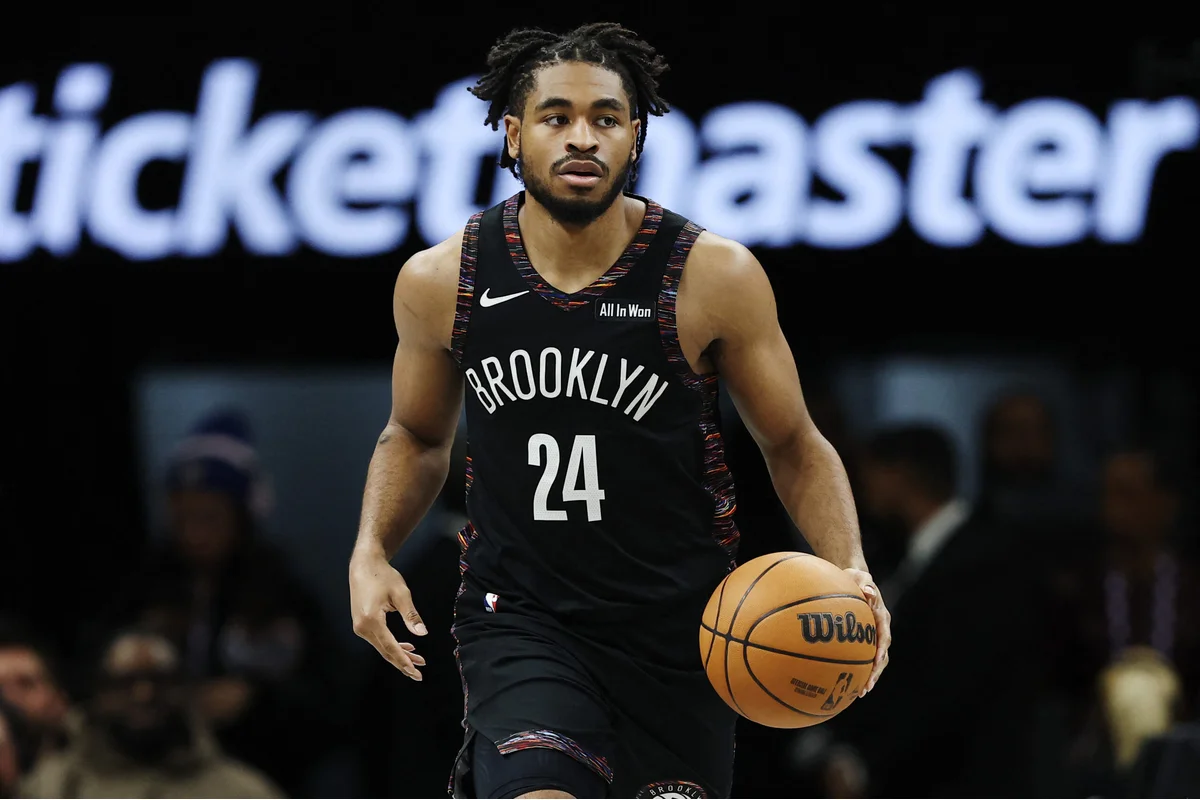
The Milwaukee Bucks secured the last open roster position by signing Cam Thomas for the remainder of the season, closing the tally at 15 players. This unexpected addition disrupts earlier expectations that Pete Nance, who has impressed on a two-way contract, would claim that spot. Now, the Bucks face a pressing decision on how to accommodate both players before March 4, the deadline for converting two-way contracts to standard deals.
Pete Nance has proven his value and merits a full roster spot to remain available throughout the final games and potentially the playoffs. However, with Thomas occupying the final slot, Milwaukee will need to part ways with an existing player to secure Nance’s position.
Challenges in Transitioning Pete Nance to a Regular Roster Role
Upgrading Pete Nance from a two-way contract to a full standard contract is vital for several reasons. Two-way players are restricted to participating in a maximum of 50 active games per season, and Nance has already played in 20, with nine additional games active. With about 30 regular-season games left, and Nance now a steady contributor in the rotation, his continued presence on the court requires a full roster spot.
Moreover, two-way players cannot participate in the playoffs, which could hinder Milwaukee if they manage a postseason run. Offering Nance a multi-year standard contract would also demonstrate the Bucks’ commitment to him as part of their future core, preventing him from entering free agency after this season. His development this year suggests he is worth retaining.
Although Nance’s overall season numbers are modest, his recent performances show clear progress. Over the past five games, he has averaged 11.2 points and 4.4 rebounds while playing 20 minutes per contest, shooting an efficient 63.9 percent from the field and an impressive 52.6 percent on three-point attempts (10-for-19). These contributions highlight why the Bucks should reward him with a guaranteed roster spot.
The organization has had success with two-way players before, such as Ryan Rollins, and Nance has the potential to be their next success story. Nonetheless, adding Thomas complicates matters because no open roster spaces remain. To add Nance, the Bucks must waive a current player, creating a difficult personnel decision.
Waiving a Player Becomes Likely as Roster Tightens
Given the full roster, the Bucks face few options for who to release to make room for Nance. Andre Jackson Jr. emerges as the most plausible candidate, despite having surprised many by securing a preseason spot. Jackson has yet to establish a role during the season and is on a team option contract that could be waived without significant financial repercussions beyond his current salary.
Other expiring contracts on the Bucks include Thanasis Antetokounmpo and trade acquisition Ousmane Dieng. While Thanasis is expected to remain on the team, the Bucks appear inclined to keep Dieng around for evaluation. Most other players hold at least a player option for the 2026-27 season, limiting the Bucks’ flexibility.
Consequently, waiving Andre Jackson Jr. seems the most practical and least costly move to finalize the roster and secure Pete Nance for the run toward the playoffs.
Implications of Roster Decisions as Season Progresses
The signing of Cam Thomas injects fresh talent but forces the Bucks into difficult roster adjustments. Choosing to promote Pete Nance honors his work and growth, yet doing so requires releasing another player and alters team dynamics. With the two-way contract conversion deadline looming, Milwaukee must act swiftly to balance competitiveness and player development.
These moves carry significance for the Bucks’ push in a tightly contested season. Retaining Nance signals a focus on building talent internally, while Thomas could provide scoring depth. How the Bucks navigate these roster challenges will influence their capacity to contend in the playoffs and shape their roster composition for the future.
