
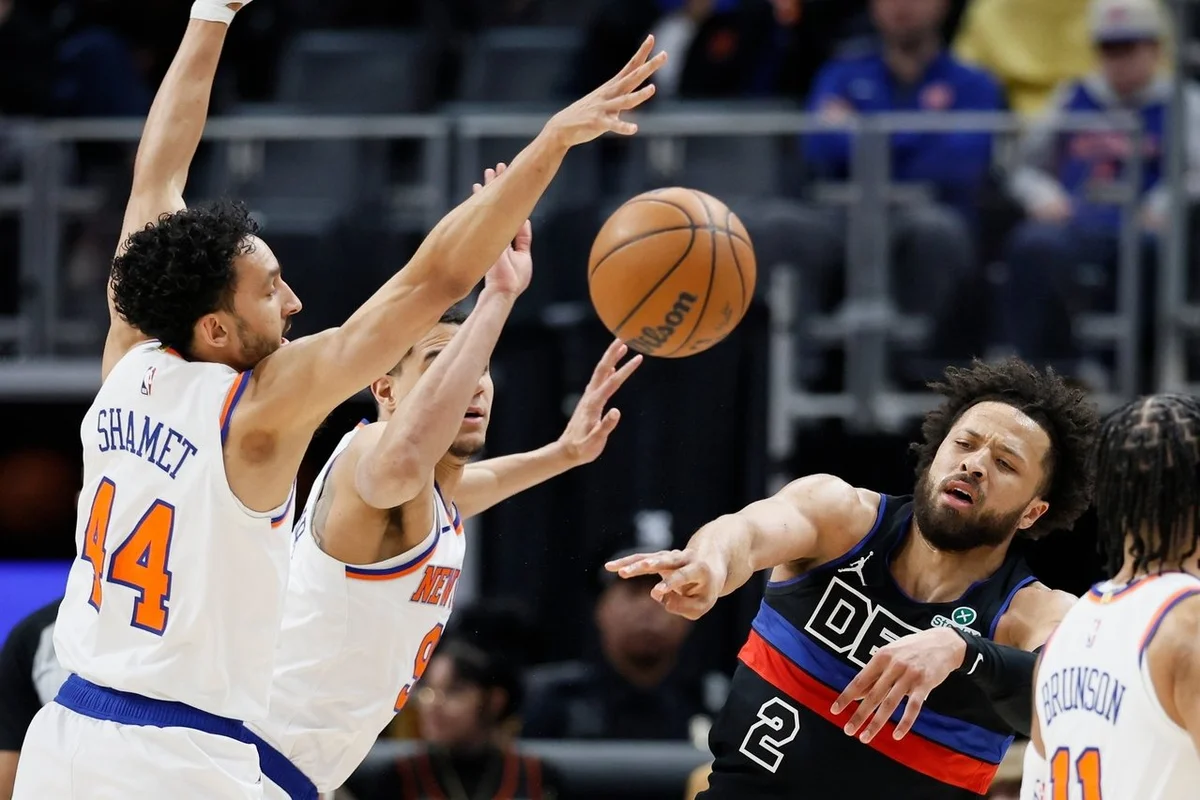
Minnesota Timberwolves fans have admired Jaylen Clark’s defensive energy throughout this season, where his intensity made him a regular in the lineup. However, since the team acquired Ayo Dosunmu at the trade deadline, Clark’s playing time has sharply decreased, dropping from an average of 13.1 minutes per game to less than nine minutes in the two games Dosunmu has played with the Wolves. This shift suggests Clark’s position in the rotation may soon diminish further.
Challenges in Securing Court Time for Clark
Finding consistent minutes for Clark has become challenging. Dosunmu contributes solid defense similar to Clark’s role as a high-energy perimeter stopper but surpasses him offensively. Dosunmu’s abilities as a shot creator, ball-handler, and three-point shooter offer greater versatility on the offensive end, making it difficult to justify extended minutes for Clark.
Adding to the competition, second-year wing Terrence Shannon Jr. is expected to return after the All-Star break. While Shannon’s production has been limited, his previous health and presence in the rotation suggest that coach Chris Finch may provide him another opportunity, likely reducing Clark’s playing time even more. Furthermore, Mike Conley’s anticipated return will introduce an additional contender for minutes at Clark’s position.
Given these roster changes, Clark’s role in Minnesota appears increasingly marginal for the remainder of the season.
Clark’s Defensive Strengths Versus Offensive Limitations
Clark’s defensive contributions have been significant this year. He is renowned for on-ball defense, closely matching up with opposing perimeter players and effectively limiting their shooting efficiency to 41.8 percent from the field. This defensive effort has relieved pressure on key players like Jaden McDaniels and energized the team’s bench.
Despite his defensive value, Clark’s offensive numbers remain a challenge. He averages just 3.8 points and 0.6 assists per game, with shooting splits of 42.5 percent overall, 28.6 percent from beyond the arc, and 62.7 percent at the free-throw line. These figures reflect his difficulties in shooting consistency, playmaking, and creating his own scoring opportunities, all factors that hinder his ability to secure steady minutes.
Potential for Growth Amid Present Struggles
At just 24 years old and in his second active season after missing a year due to an Achilles injury, Clark’s youth leaves room for optimism. His defensive skills are already strong, and if his offensive game improves, he could develop into a valuable rotational player for the Timberwolves. For now, however, it appears Clark must wait for a chance to prove himself a consistent contributor in the competitive Wolves lineup.
