
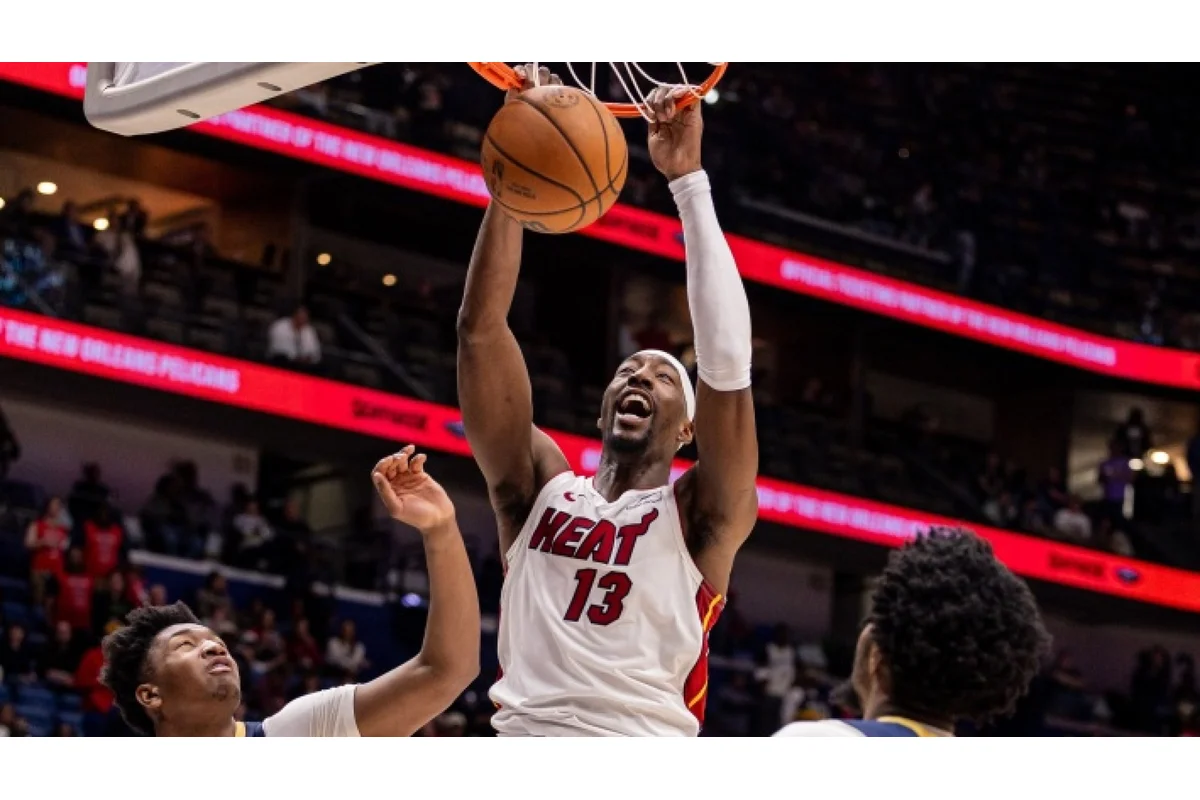
A graphic shared widely on social media has reignited discussions about Cooper Flagg, the promising rookie whose early NBA performance has sparked comparisons to LeBron James. Flagg’s start to his professional career, marked by impressive statistics during his teenage season, has prompted fans and analysts to debate how his trajectory aligns with one of basketball’s all-time greats.
Although it is premature to rank Flagg alongside LeBron’s enduring legacy, their rookie year numbers reveal striking similarities that have captured attention. This Cooper Flagg LeBron comparison highlights how rare and significant it is for a young player to produce at such a high level so early.
Statistical Parallels Between Flagg and James in Their Rookie Seasons
Every promising young forward inevitably faces comparisons to LeBron James, who set the bar exceptionally high as a teenager in the NBA. Past sensations like Victor Wembanyama have had moments of comparison, but Flagg’s stylistic and statistical parallels stand apart.
Flagg, at 19, has averaged 20.4 points, 6.6 rebounds, and 4.1 assists per game while shooting 48% from the field in roughly 34 minutes per contest. By comparison, James averaged 20.2 points, 5.5 rebounds, and 5.7 assists, shooting 40% and playing nearly 40 minutes during his rookie year.
The most notable commonality between the two is surpassing the 20-point threshold before turning 20 years old, a feat achieved by very few NBA players. Flagg’s higher shooting efficiency despite fewer minutes suggests a more polished offensive game from the onset.
While James immediately carried a significant burden on offense in a rebuilding Cleveland team, Flagg’s production has come within a more evolved offensive system, yet their scoring impact remains comparable.
Wide-Ranging Contributions Beyond Scoring
Both players have demonstrated multidimensional skills that extend past scoring alone. Flagg contributes roughly 6 to 7 rebounds and over 4 assists per game, while James recorded 5.5 rebounds and nearly 6 assists as a rookie. This reveals their ability to influence various aspects of the game, rather than being one-dimensional scorers.
Each exhibited exceptional timing and court vision, knowing when to attack, pass, or defend. For teenagers acclimating to the speed and physicality of the NBA, such composure is rare and indicative of high basketball IQ and potential.
Comparing Physicality and Defensive Prowess
An essential factor in this comparison is their physical readiness and versatility. LeBron entered the league with an NBA-ready physique, absorbing contact while showcasing agile body control. Flagg, though physically different, displays similar resilience by welcoming contact in the paint, finishing strong through defenders, and defending multiple positions effectively.
Defensively, both stand out for their instincts beyond their years. James became known early on for chase-down blocks and his anticipation, establishing a reputation as a two-way player. Flagg mirrors this defensive intensity, capable of switching onto guards, protecting the rim in help defense, and disrupting passing lanes with his length.
Immediate trust in their abilities meant both handled significant responsibilities during their rookie seasons. James was the centerpiece of Cleveland’s rebuilding efforts and eventually earned Rookie of the Year honors. Flagg, meanwhile, has been allocated critical minutes and key late-game possessions for Dallas, evidencing confidence from his coaches in his poise and skill.
Development Trajectories and On-Court Control
Both Flagg and James showed marked improvement as their rookie campaigns progressed. James grew more assertive and efficient, while Flagg’s numbers rose notably once Dallas adjusted his role to allow him to attack defenses more aggressively rather than initiate play primarily.
Since that shift, Flagg has maintained scoring averages above 20 points per game with solid efficiency, along with better decision-making as a secondary playmaker. This refinement in handling pressure and pace underscores his growing command of the game.
The shared trait fueling the comparison goes beyond raw statistics: their control over the game and influence on both ends of the court. Flagg’s ability to switch defensively, rebound amid traffic, push the tempo, and seize favorable matchups echoes the versatility that distinguished LeBron during his early days.
Observers note Flagg rarely appears overwhelmed, his physical profile allowing him to absorb contact while his defensive instincts keep him engaged regardless of shooting success. Though James operated more as the primary creator, the magnitude of their early impact remains similarly significant, especially considering Flagg plays fewer minutes.
Assessing the Meaning Behind This Comparison
While paralleling rookie statistics is intriguing, it is important to recognize that matching those numbers does not guarantee a similar career path. LeBron James developed into a four-time NBA champion, multiple MVP, and one of the most influential athletes ever.
Cooper Flagg is still laying the groundwork for his professional journey. Yet, the viral Cooper Flagg LeBron comparison is rooted in a meaningful observation: efficient, impactful scoring combined with a well-rounded game at 19 years old is exceptionally rare.
When a teenager like Flagg consistently puts up 20-plus points in efficient fashion while influencing winning moments on both ends, the basketball world naturally draws parallels to all-time greats. This conversation reflects the high hopes and drive surrounding Flagg’s progression, underscoring the intense attention on his rookie season and the potential that lies ahead.
Coop vs Year 1 Bron pic.twitter.com/1PhvI9AFgF
— Oh No He Didn't (@ohnohedidnt24) February 13, 2026
