Fifty years after the American Basketball Association (ABA) merged with the National Basketball Association (NBA) in 1976, the legacy of the ABA continues to shape basketball. The Indiana Pacers, an original ABA team, hold a critical place in this history thanks to their three championship titles during the league’s nine-year existence. This heritage remains a cornerstone of the Indiana Pacers ABA legacy, reflecting an influential era in professional basketball.
A New Documentary Sheds Light on the ABA’s Impact
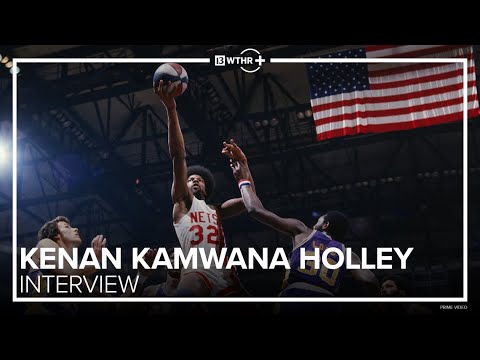
The innovative spirit and cultural significance of the ABA are captured in the four-part docuseries Soul Power: The Legend of the American Basketball Association. Directed by Emmy-winner Kenan Kamwana Holley, the series explores how the ABA introduced transformative features like the three-point shot and the slam dunk contest, which later became staples in the NBA. The docuseries presents firsthand accounts from renowned figures who were part of the league, offering deeper insight into an important chapter of basketball history.
Talent and Competitive Edge Defined the ABA
Director Holley expressed his surprise at the level of talent the ABA displayed, especially in the league’s final years.
“The ABA was so full of talent by the 1970 season, 1971, they were better than the NBA overall. You can look at the stats from those games, those last two years of the league, they beat the NBA more than the NBA beat them, and that blew me away,”
Holley said. This period marked the ABA as not just a rival league but a formidable competitor that pushed the NBA to evolve.
Voices from ABA Legends and Their Untold Brotherhood
The documentary features interviews with legendary basketball personalities including Julius “Dr. J” Erving, Larry Brown, Spencer Haywood, George Gervin, Rick Barry, and sportscaster Bob Costas. Their stories reveal a profound camaraderie among players, transcending racial and cultural boundaries at a time when such unity was uncommon in American sports.
“They had so much love for the brotherhood. We went to Indianapolis and we met with Bob Netolicky, and we met with Freddie Lewis, and we met with all these guys who were incredible players, and thankfully, ‘Big George’ McGinnis was alive. We sat there and talked with him, and they had so much love for each other,”
Holley said.
“They said, ‘We were up against it. No one believed in us — not the media, not the press, not the NBA. Most of us got to the NBA because we were somehow being dissed by the other league or had some kind of trouble or something, so we loved each other.’ That revelation that these guys had never had this cultural mix before — it didn’t exist in America when they came together, as far as Black dudes and white dudes playing together on this level, on this scale — and coach George Karl summed it up: He said, ‘We got to know each other. First, we were feeling each other out. It became little friendships that became family.’
Personal Connections and the Power of Memory
Adding emotional depth to the project, award-winning artist Common narrates the series. His involvement connects personally, as his father, Lonnie Lynn, played four seasons in the ABA. Holley noted the profound impact this had on Common during production.
“To have him get to look at the programs he’d never seen of his father, to get to watch the footage of his father’s teammates for the first time, you could see it resonating with him. Just as a person, just as someone being able to give that opportunity to another person, that was a beautiful thing to watch and get to connect with it,”
Holley explained.
“He’s such a soulful person that he actually named the series without realizing he did. He named the series just in his talking with us, and he and I were going back and forth, he started talking about the power of an individual soul, and that became the mantra for the crew for the rest of the production.”
The Indiana Pacers: A True ABA Dynasty
While the Pacers have not yet secured an NBA championship, their dominance in the ABA remains undisputed, with three titles won in 1970, 1972, and 1973. According to Holley, interviews with former players and coaches repeatedly emphasize the Pacers’ exceptional teamwork and brotherhood during the ABA years.
“One of the things that came through was when we spoke to Larry Brown, all he could talk about — he was the coach of the Denver Nuggets in the ABA — all he could talk about was the Indiana Pacers. When we spoke to Willie Wise — he’s a great two-way player — all he could talk about was the Indiana Pacers. We talked to George Gervin, all he could talk about was the Pacers, and they all said the same thing: ‘They’re a dynasty, a brotherhood.’ The way they flowed on the court, the way they played together, it was just beautiful to see,”
Holley shared.
Continuing the ABA Story Today
Soul Power: The Legend of the American Basketball Association is currently available for streaming on Prime Video, introducing a new generation to the ABA’s rich history. This series not only honors the talented players and teams like the Indiana Pacers but also underlines the lasting cultural and competitive influence the ABA had on professional basketball as a whole.