
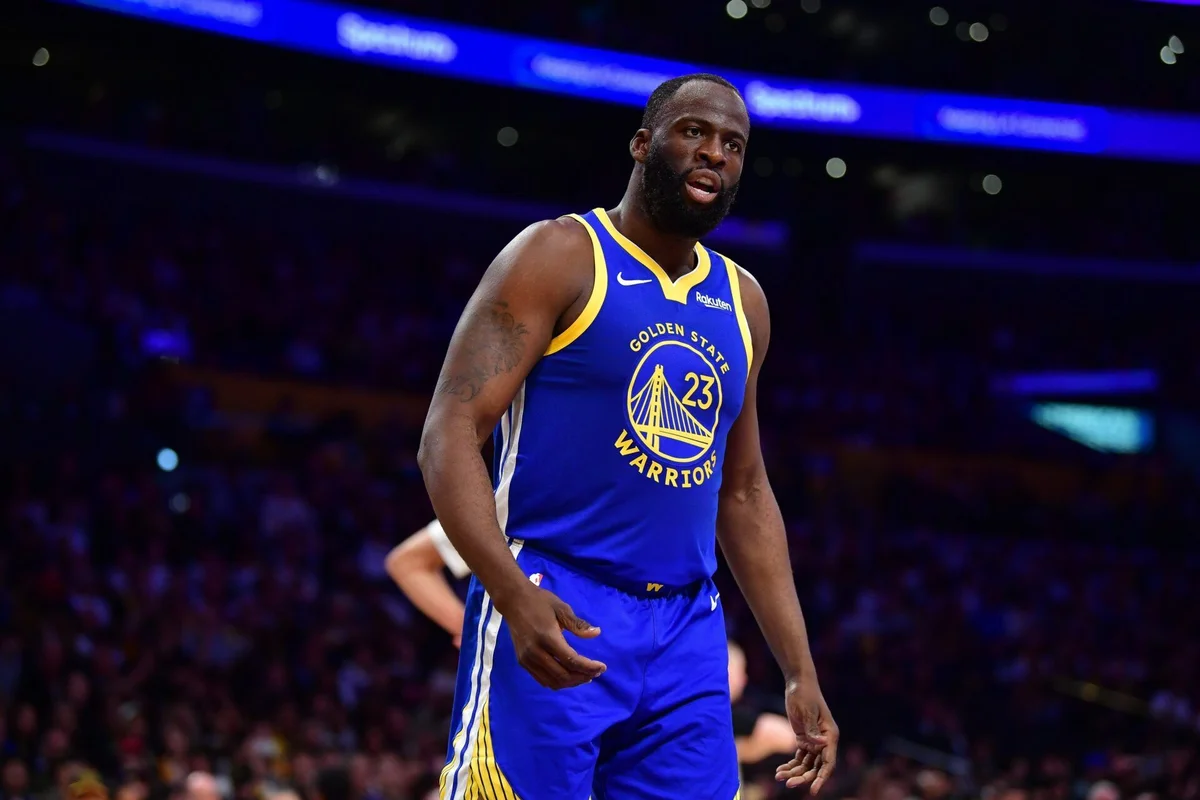
The NBA All-Star Game has seen mounting criticism as fan enthusiasm wanes and competitiveness falls short. During the 2025-26 season’s All-Star Weekend at the Intuit Dome in California, Golden State Warriors star Draymond Green voiced dissatisfaction with the event’s format, arguing that the current setup hinders players from giving their maximum effort. Green All-Star criticism centers on the exhausting demands placed on athletes, which prevent the showcase from fulfilling its potential as a genuine competitive contest.
Excessive Commitments Dim Players’ Focus on the Main Event
All-Star Weekend began with festivities such as the Rising Stars Challenge and Celebrity Game, while selected All-Stars took on media, coaching, and community roles. Green pointed out how these continuous engagements sap players’ energy and distract them from preparing fully for the game itself.
I’ve been at this community thing, I’ve been at this event, I’ve been at this this sneaker deal thing, I’ve been at this this podcast thing,
Green explained.
By the time you get to the game … oh, I get 20 minutes to shoot the basketball.
He noted that unlike a typical regular-season game, where players follow clear routines, All-Star Weekend disrupts rhythm with overlapping obligations. This fragmentation, Green said, undercuts the intensity expected from the event.
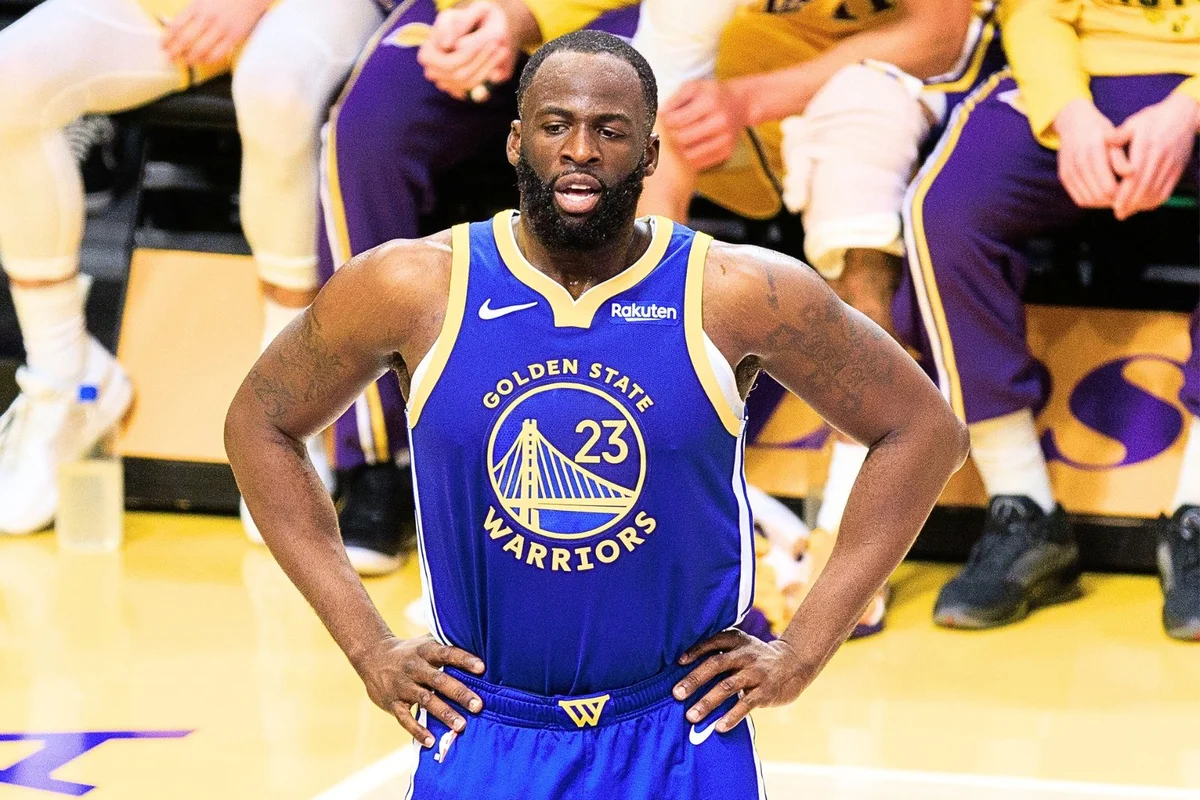
Gimmicks Cannot Replace Genuine Competition, Says Green
Green criticized the entertainment-focused elements of the All-Star Game, describing them as ineffective without real competition between players. His frustration highlights a core issue: the event’s structure discourages the dedication necessary for high-level play.
The gimmicks of the All-Star Game … works when the game is good,
Green said.
How do you get these guys to compete? Until you can do that, I don’t think the gimmicks work.
Proposed Fix: Separate Players’ Responsibilities to Boost Game Quality
As a four-time All-Star himself, Green recommends allowing prominent NBA players who are not selected for the All-Star Game to take on promotional and community duties. This change could free the All-Stars to concentrate fully on playing, potentially restoring competitiveness to the event.
You can bring in prominent NBA names that’re not All-Stars … so the All-Stars can actually focus on the All-Star Game,
Green said.
(Until then), “I don’t think you’re going to have a good game,
Green concluded. I just don’t see it.
New Format Introduced Amid Uncertainty of Impact
This season, the NBA replaced the traditional All-Star format with a mini-tournament featuring three teams: Team World and two United States squads, USA Stars and USA Stripes. The younger USA Stars include Cade Cunningham and Anthony Edwards, while the veteran USA Stripes are led by Kevin Durant and LeBron James. Teams compete in 12-minute games, with the top two advancing to a championship round.
Despite these changes, questions remain whether this structure will reignite players’ drive or resolve the fatigue and lack of focus that Green highlights. The league aims to balance entertainment and competition, but the effectiveness of this format in achieving that balance will be closely observed.
Implications for the Future of the NBA All-Star Game
Green’s candid remarks expose fundamental flaws in how the NBA currently organizes its marquee midseason event. Without addressing player burnout and fragmented priorities, the All-Star Game risks continued decline in intensity and fan interest. If the league adopts Green’s suggestion to redistribute non-game responsibilities, it could mark a turning point for reviving the showcase’s competitive spirit and relevance in the NBA calendar.
Draymond Green on the issue with the All Star Game:
“As an all star, you get to the end of the weekend and you’re like ‘Oh, now I get to play a basketball game. I’ve been at this community thing, been at this event, been at this sneaker deal thing’ . . . when I arrive to the… pic.twitter.com/yJmVwXWkhd
— Chef (@CurryForGame) February 13, 2026
