
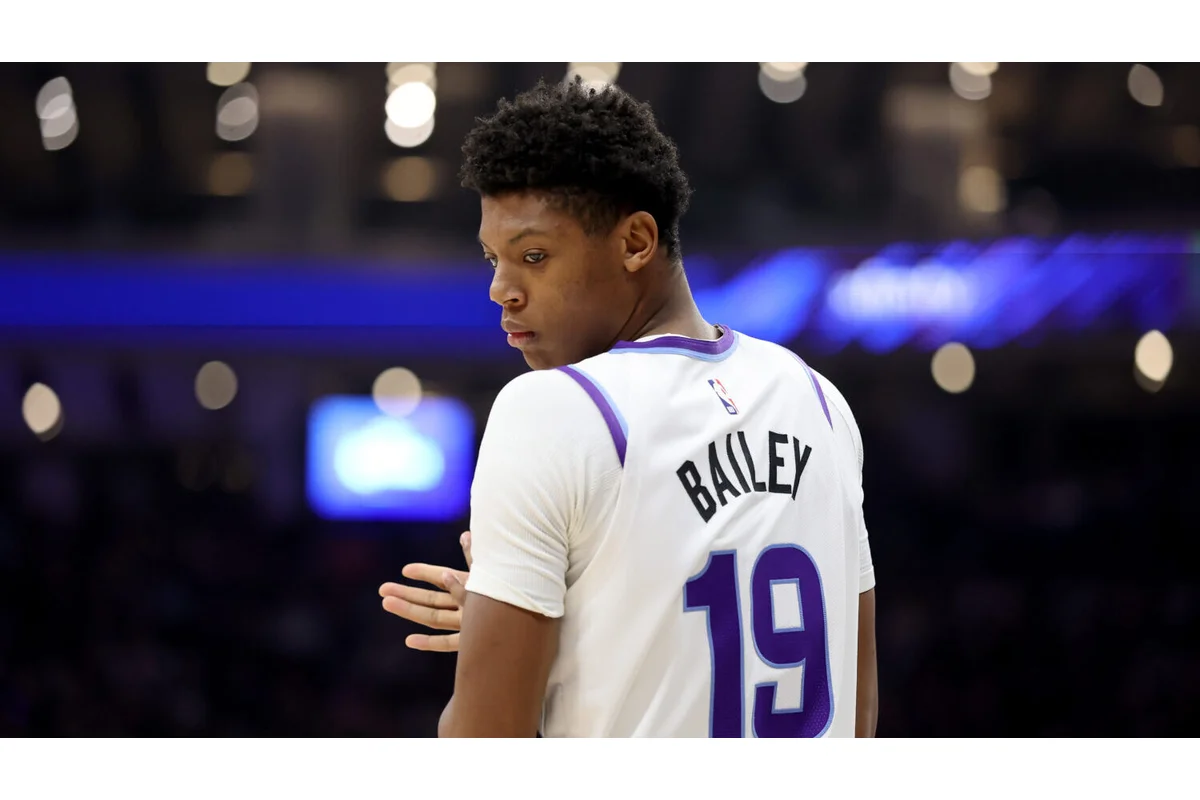
The Utah Jazz are under fire from across the NBA, including the league itself, for allegedly tanking games to improve their draft position. This came to a head when the NBA fined Utah $500,000 after the team benched key players Jaren Jackson Jr. and Lauri Markkanen during critical fourth quarters of close contests, highlighting a perceived prioritization of draft positioning over competing to win.
With tanking suspected, the primary question left is how the Jazz plan to integrate their promising rookie Ace Bailey with any future draft picks, especially those acquired in the 2026 NBA Draft. This Ace Bailey draft fit is emerging as a crucial consideration for Utah’s front office as it weighs the direction of the team.
Assessing Ace Bailey’s Early Impact and Role on the Team
Ace Bailey, at just 19 years old, has shown substantial promise with a well-rounded game. His season averages of 11.9 points, 3.9 rebounds, 1.7 assists, 0.8 steals, and 0.5 blocks per 26.8 minutes demonstrate his emerging three-level scoring ability and defensive versatility. Beyond the statistics, Bailey has displayed poise and adaptability on both ends of the court, earning his place as a key piece in Utah’s future plans.
Given Bailey’s growing value, Utah must avoid passing on top-tier talent solely over concerns about fit. Instead, the team needs to factor Bailey’s skill set into their draft strategy, especially if they retain a lottery pick in 2026. Building around Bailey could create a formidable foundation for the Jazz moving forward.
Evaluating Potential 2026 Draft Picks Alongside Ace Bailey
The 2026 first-round pick Utah possesses, however, comes with conditions: it will transfer to the Oklahoma City Thunder if it falls outside the top eight selections. This creates three main outcomes for the Jazz—losing the pick, securing a mid-level prospect unlikely to immediately surpass Bailey, or landing a franchise-changing talent.
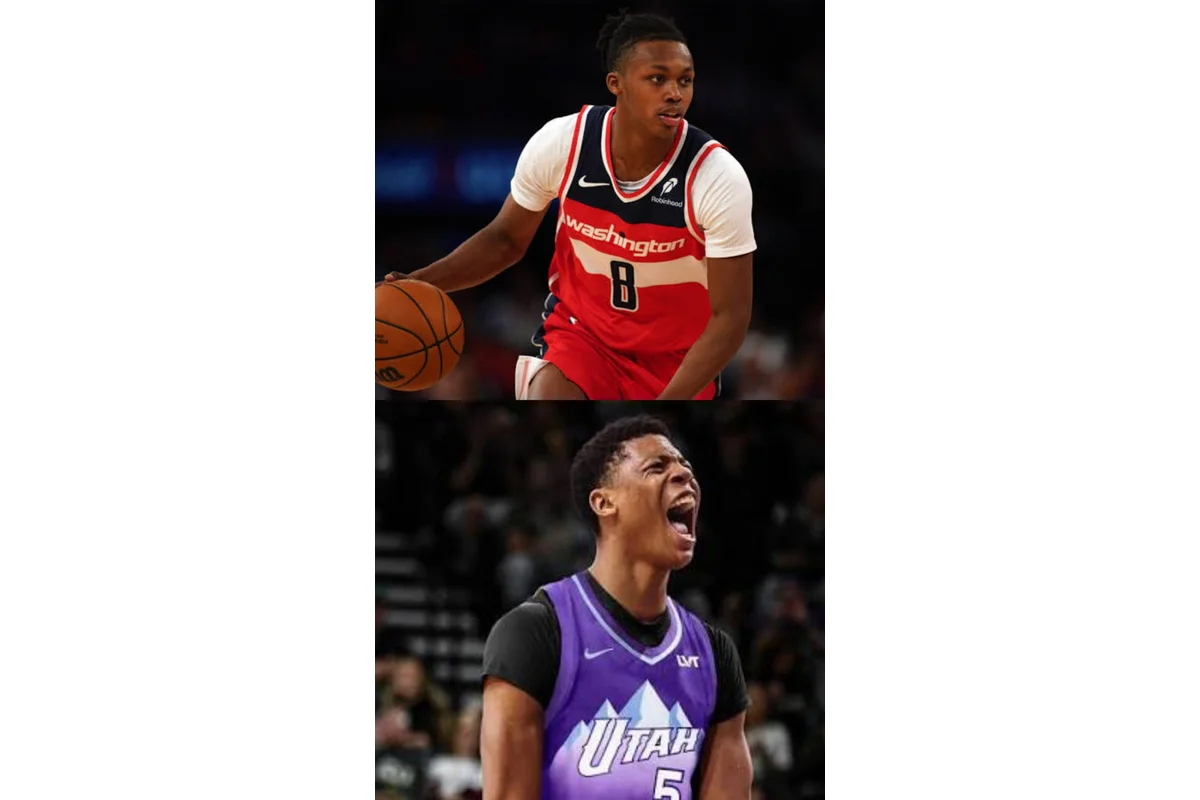
Among the hopeful prospects are Cameron Boozer, AJ Dybantsa, and Darryn Peterson, all of whom offer tantalizing skill sets. Still, Utah must develop a clear plan on how any new draftee would pair with Bailey, rather than simply selecting the best player available without considering team chemistry and role distribution.
Bailey has spent 94 percent of his playing time at forward, where he has scored 20 or more points in seven games this season. His ability to score on the inside, hit midrange jumpers, and knock down three-pointers makes him a versatile offensive weapon. Defensively, Bailey has been impressive for a rookie, ranking in the 81st percentile for off-ball chaser defense, the 59th percentile in perimeter isolation defense, and the 53rd percentile in ball screen navigation according to Basketball Index.
Why Protecting Bailey’s Role Is Critical for Utah’s Future
Given Bailey’s current contributions, Utah risks disrupting a young, productive forward if it neglects how new additions will affect his role. Even if Bailey never becomes a star-level player, he projects as a reliable starter who can provide solid minutes on both ends of the floor, an asset any rebuilding team needs to build around.
The Jazz face a delicate balance: while they must aim to acquire the best talent available with their potential top-eight pick, they cannot make that selection without first understanding how to best integrate the new player with Bailey. Establishing this duo effectively is key to developing a competitive roster in the coming years.
Implications for Utah’s Draft and Tanking Debate Moving Forward
As the Jazz navigate the fallout from accusations of tanking, their approach to the Ace Bailey draft fit will likely play a defining role in shaping their trajectory. How the team reconciles immediate draft value with long-term player development and fit could determine whether Utah truly leverages its assets to rebuild effectively or remains mired in controversy and uncertainty.
Decisions made on draft night and throughout the rebuilding process will indicate if the Jazz prioritize winning sustainably over merely manipulating draft outcomes. Addressing Bailey’s fit with incoming talent is not just a question of roster construction but a crucial test of Utah’s commitment to a competitive future.
