
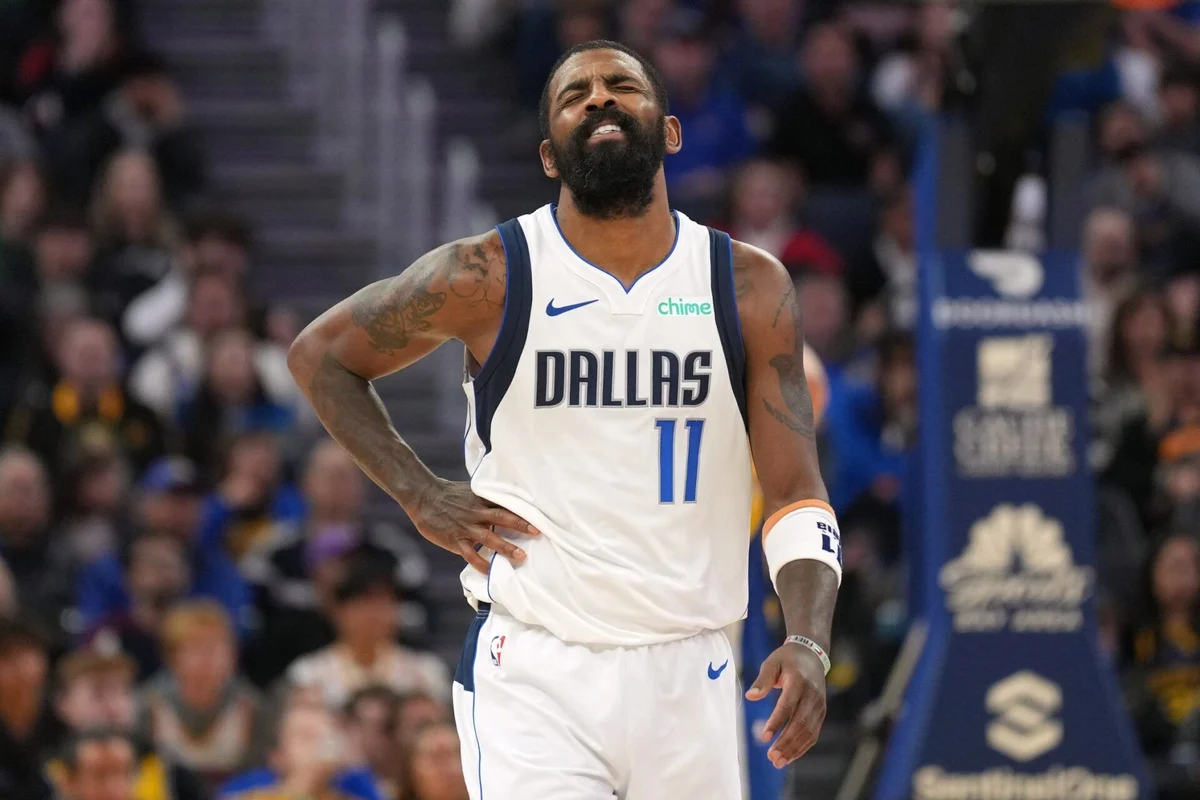
Kyrie Irving, the star guard for the Dallas Mavericks, will not return to play this season as he continues to recover from a knee injury sustained nearly a year ago. The announcement was made by Irving and the team on Wednesday, just two days before the Mavericks resumed play following the All-Star break, with the team currently enduring a nine-game losing streak, their longest in almost three decades, and sitting outside of playoff contention.
Details on Irving’s Injury and Recovery Timeline
The nine-time NBA All-Star suffered a torn ACL in his left knee on March 3, marking the most severe injury of his 15-year career. At 33 years old, this will be the first time Irving has had to miss an entire NBA season. The injury occurred shortly after the Mavericks had undergone significant roster changes, including trading young star Luka Doncic to the Los Angeles Lakers in a deal centered around veteran big man Anthony Davis.
Irving’s injury came in the wake of this major trade, as the Mavericks were trying to reshape their lineup after the duo of Irving and Doncic led Dallas to the NBA Finals just nine months earlier. However, the partnership with Davis was short-lived; Davis only played 2 ½ quarters with Irving before suffering an abdominal strain during his Dallas debut, and he was traded away before the season’s trade deadline.
Team Rebuilding Focus Amid Recent Moves
After acquiring the first overall pick in this year’s NBA Draft through a slim 1.8% lottery chance, Dallas selected former Duke standout Cooper Flagg. Yet, the trio of Irving, Davis, and Flagg never shared the court together. With Davis’s departure to Washington and the firing of former general manager Nico Harrison partly linked to the flawed Doncic trade, the Mavericks appear focused on building their future around the promising Flagg and the veteran leadership of Irving.
Michael Finley, co-interim general manager and former two-time All-Star with the Mavericks, commented on Irving’s role with the young prospect, saying,
“Kyrie has the ultimate respect for Cooper,”
and added,
“He loves the kid’s work ethic. He loves the kid’s love for the game. And I think Kyrie’s embracing the role as a mentor to Cooper.”
Irving’s Commitment to the Team Despite Injury
Although sidelined for the remainder of the season, Irving remains actively involved with the team’s activities and development. The Mavericks are poised to miss the playoffs for a second consecutive year since their dramatic loss to Boston in the previous NBA Finals.
In a statement expressing gratitude and resilience, Irving said,
“This decision wasn’t easy, but it’s the right one,”
continuing,
“I am grateful for the Mavericks organization, my teammates and our fans for their continued support throughout the process. I am looking forward to coming back stronger next season. The belief and drive I have inside only grows.”
He also shared encouragement for others dealing with similar injuries:
“And I wanted to send a huge shoutout to ALL of my brothers and sisters out there who’ve torn their ACL or gotten injured doing what they love to do every day,”
adding,
“THANK YOU for the inspiration. No fear!”
Career Highlights and Impact on the Mavericks’ Season
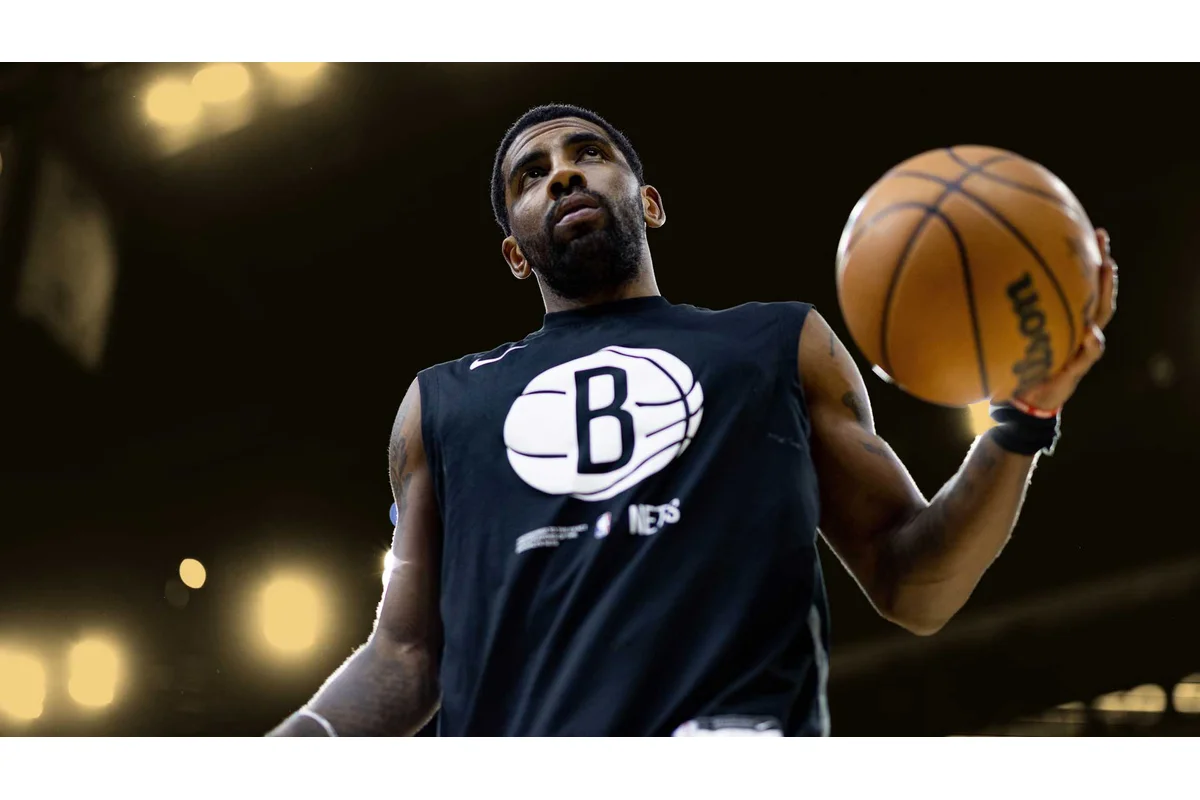
Before this injury, Irving had successfully contributed over two seasons with the Mavericks after being traded from Brooklyn, where his three-year tenure was marked by notable off-court drama. Earlier in his career, Irving was the No. 1 overall pick by Cleveland in 2011 and played a key role alongside LeBron James in winning the 2016 NBA championship.
Throughout his career, Irving has averaged 23.7 points and 5.6 assists per game across 779 games, with impressive shooting percentages of nearly 40% from three-point range and 89% from the free-throw line. His absence this season leaves a significant gap that Dallas must address as they reshape their strategy around younger players, including Flagg, while planning for Irving’s eventual return.
Outlook for the Mavericks and Kyrie Irving’s Return
The Mavericks face a challenging remainder of the season without Irving’s leadership and scoring ability. However, the team’s new direction emphasizes developing young talent and integrating increasing roles for players like Cooper Flagg. Irving’s ongoing rehabilitation and mentorship role provide hope for a stronger comeback in the next season, which could help Dallas regain competitive footing in the league.
