
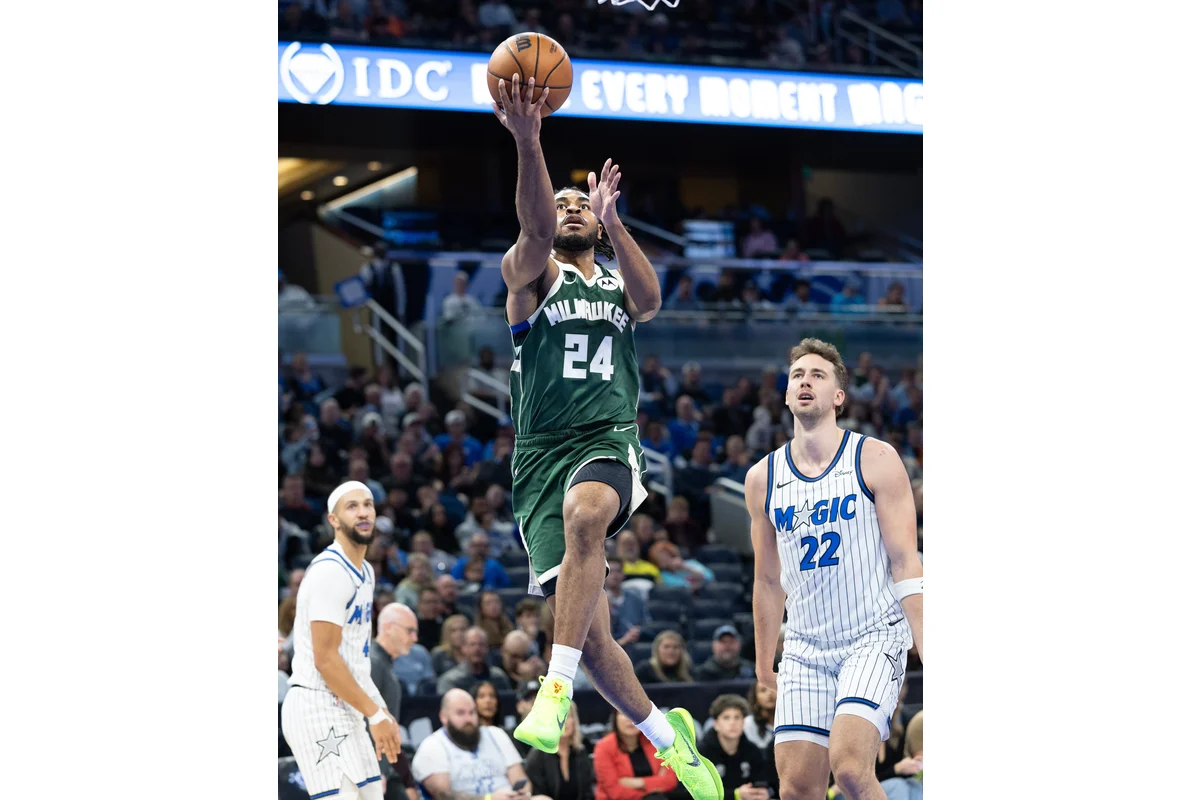
As Giannis Antetokounmpo prepares to rejoin the Milwaukee Bucks’ lineup soon, the team faces pivotal decisions regarding their starting roster. One vital choice is to maintain Kevin Porter Jr. in the starting lineup instead of shifting him back to a bench role, a move the Bucks made earlier this season when Giannis returned from injury. Porter’s role is essential to the team’s offensive dynamics and shouldn’t be underestimated amid this lineup adjustment.
Impact of Adding Cam Thomas on Bucks’ Bench Strategy
The recent acquisition of Cam Thomas has considerably altered Milwaukee’s second unit approach. Thomas, brought in as a high-octane scorer off the bench, quickly made an impact by scoring 34 points in just his second game. His success depends on having significant ball control and the freedom to shoot aggressively. The Bucks count on Thomas to carry the scoring load when the starters are resting.
However, unlike Thomas, Kevin Porter Jr. excels as a playmaker, providing ample assists and facilitating offensive opportunities. Relying on both Porter and Thomas off the bench simultaneously could limit their effectiveness due to competition for playing time and touches. To maximize their contributions, each player needs sufficient access to the ball, which becomes challenging when sharing limited reserve minutes.
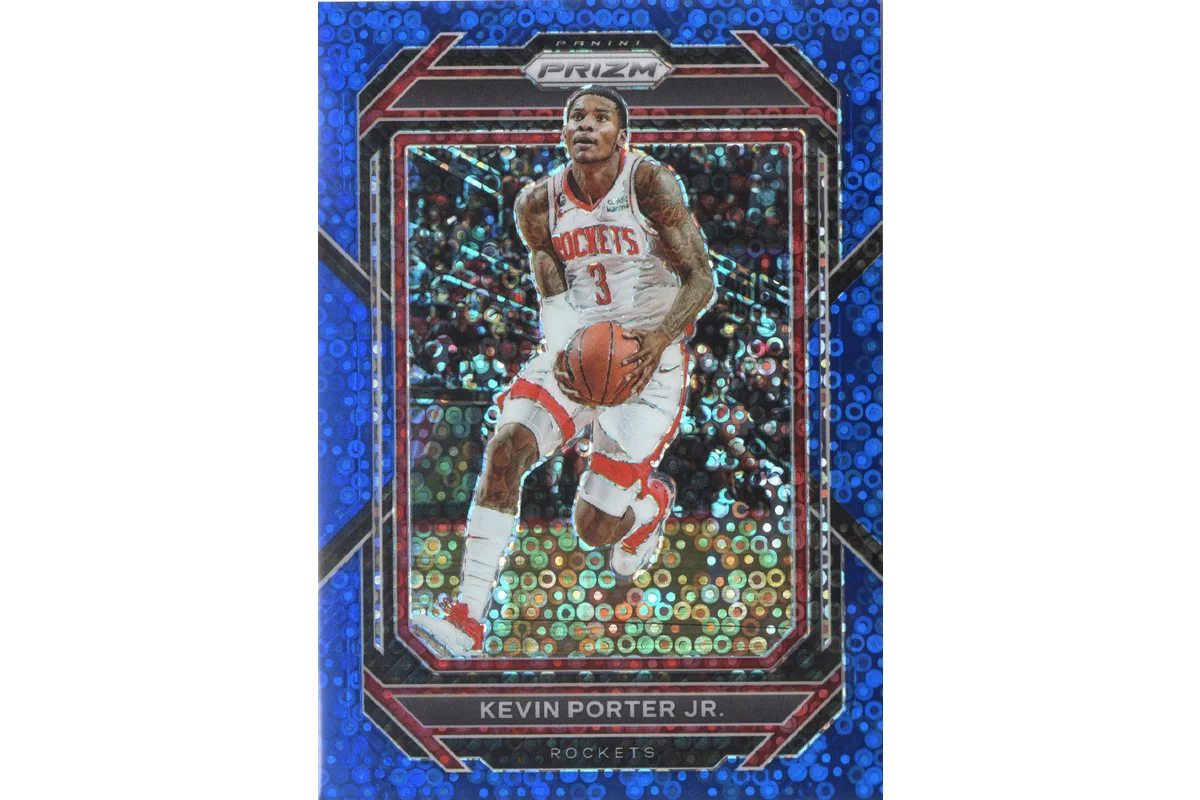
Porter’s Role Versus Ryan Rollins and Bench Composition
The strategy behind placing Porter off the bench was to assign him as the main driver of the second unit’s offense while allowing Ryan Rollins more freedom alongside Giannis in the starting lineup. But with Thomas now part of the mix, the balance shifts. Rollins’ playing style aligns better with Thomas since he relies more on three-point shooting rather than mid-range scoring like Porter and Thomas. Rollins attempts more catch-and-shoot or pull-up threes and is also the most efficient and reliable perimeter shooter among the three.
To optimize spacing and ball distribution, keeping Porter in the starting five and staggering his minutes with Thomas seems advisable. This setup would reduce overlapping time and provide both players with greater scoring opportunities by giving them dedicated touches and room to function effectively.
Roster Considerations and Tough Lineup Decisions for Doc Rivers
If Kevin Porter Jr. remains in the starting backcourt with Ryan Rollins, the Bucks’ coaching staff, led by Doc Rivers, faces a critical decision regarding who fills the small forward spot. Balancing roles to ensure maximum performance from the top-tier players is key. The team’s priority should be to enhance performance by allocating minutes to those who contribute most efficiently and productively.
Porter’s season averages—17.2 points, 7.6 assists, 5.2 rebounds, and 2.2 steals per game—rank him as one of the Bucks’ premier assets. These statistics place him second in scoring, first in assists, fourth in rebounds, and first in steals on the team. Despite some inconsistencies and turnover issues, Porter has demonstrated significant improvement recently and remains a core player.
Why Retaining Porter as a Starter Matters for Milwaukee’s Success
While Kevin Porter Jr. can sometimes be impulsive on the court, his value as a creator and producer is undeniable. The Bucks rely on his ability to facilitate offense and create scoring chances, a skill set that complements their star players, including Giannis Antetokounmpo and Cam Thomas. Moving him back to the bench limits his impact and could weaken both the starting unit’s creativity and bench scoring punch.
“If Porter stays, though, then who goes? With him and Rollins in the backcourt, who to start at small forward would be the question at hand for Doc Rivers.” ?Unnamed analyst
“Porter is still a top-three asset on the roster, and the Bucks should treat him like it.” ?Unnamed analyst
Ultimately, maintaining Kevin Porter Jr. in the starting lineup ensures the Bucks leverage his playmaking and scoring talents to their fullest. As Milwaukee looks ahead with Giannis’s return and Cam Thomas’s emergence, smart lineup management will be pivotal to the team’s continued competitiveness and postseason aspirations.
