

Ben Sheppard has emerged as one of the more disappointing figures for the Indiana Pacers during the current season. Early in the year, with key players such as Tyrese Haliburton, Andrew Nembhard, T.J. McConnell, Kam Jones, and Quenton Jackson sidelined due to injuries, head coach Rick Carlisle leaned on Sheppard to take on point guard duties. However, this experiment did not yield the hoped-for results.
Over his first 20 games, including 10 starts, Sheppard, originally from Atlanta, averaged 6.5 points, 4.2 rebounds, and 1.9 assists per contest while shooting a subpar 33.8% from the field and 25.3% from beyond the arc in nearly 26 minutes each night. Given that Sheppard is not a natural point guard, this adjustment period was difficult, mirroring a broader team-wide struggle during the early season stretch.
Improvement Yet Persistent Inconsistency in Shooting and Development
Despite early setbacks, Sheppard’s shooting from three-point range has improved since December, rising to 44.7%. Nevertheless, this performance includes eight games where his three-point shooting fell to 33% or below, indicating ongoing inconsistency. Defensively, he remains reliable, but Sheppard has not progressed significantly in his overall development as many had hoped.
On a recent episode of the Setting the Pace podcast, analyst Alex Golden discussed Sheppard’s financial situation, noting that his contract is set to increase from $2.8 million to a $5 million expiring deal. With the Pacers potentially aiming to avoid costly luxury tax penalties and considering additions like Darryn Peterson or AJ Dybantsa via the draft, Golden raised the possibility that Sheppard might be moved this offseason.
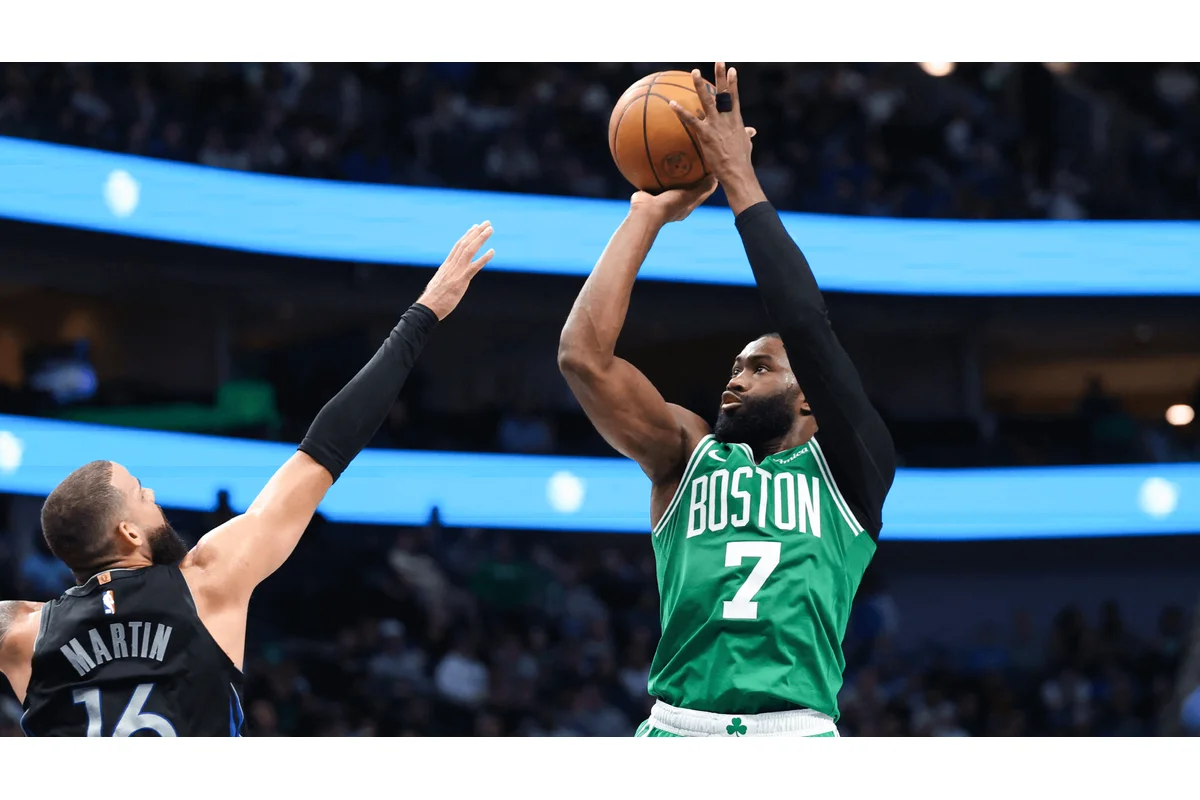
With Ben Sheppard sitting there at $5 million as an expiring, it kind of makes you wonder how much longer his future is here with the Pacers just because of what could potentially happen here in the draft. … I think using his $5 million expiring deal, it could be very intriguing to other teams because Sheppard is a good defender, but his three-point shot is very inconsistent,
Alex Golden, Analyst
Examining the Potential for a Ben Sheppard Trade
Sheppard appears to be an available asset for the Pacers as they weigh offseason options, making him a plausible trade candidate. He remains young, with room for growth, and might attract teams seeking backcourt depth or a player who could develop into a reliable 3-and-D contributor. Even without factoring in the draft’s impact, moving Sheppard is a logical option for Indiana.
As Sheppard approaches the expiration of his current contract, his production has not justified a salary around $5 million, especially for a franchise that has consistently avoided the luxury tax for two decades. Furthermore, his role may diminish soon due to returning players like Johnny Furphy recovering from an ACL injury, potential signings such as Quenton Jackson, or the arrival of rookies.
The Belmont product is serviceable but replaceable, particularly given his inconsistent shooting and limited offensive output when struggling. This context further supports the idea that the Pacers should explore trade possibilities for Sheppard during the summer.
Ultimately, it appears unlikely that Indiana will offer Sheppard a new contract next season, and the team maintains several alternatives to fill his position. Although Ben Sheppard remains a solid player, his tenure with the Pacers may soon conclude.
Possible Implications of a Summer Trade for Sheppard
Trading Sheppard could provide the Pacers with financial flexibility and roster space to pursue promising draft picks like Darryn Peterson or AJ Dybantsa. Additionally, it would allow Indiana to recalibrate its backcourt dynamics ahead of the next season. For Sheppard, a trade could present a fresh opportunity to solidify his role elsewhere, particularly with teams valuing his defensive skills despite offensive inconsistency.
For the Pacers, this decision reflects a broader strategy of balancing player development, salary considerations, and future roster construction. The outcome of the upcoming draft and rehabilitation of injured players will heavily influence the final direction involving Ben Sheppard’s trade prospects.
