
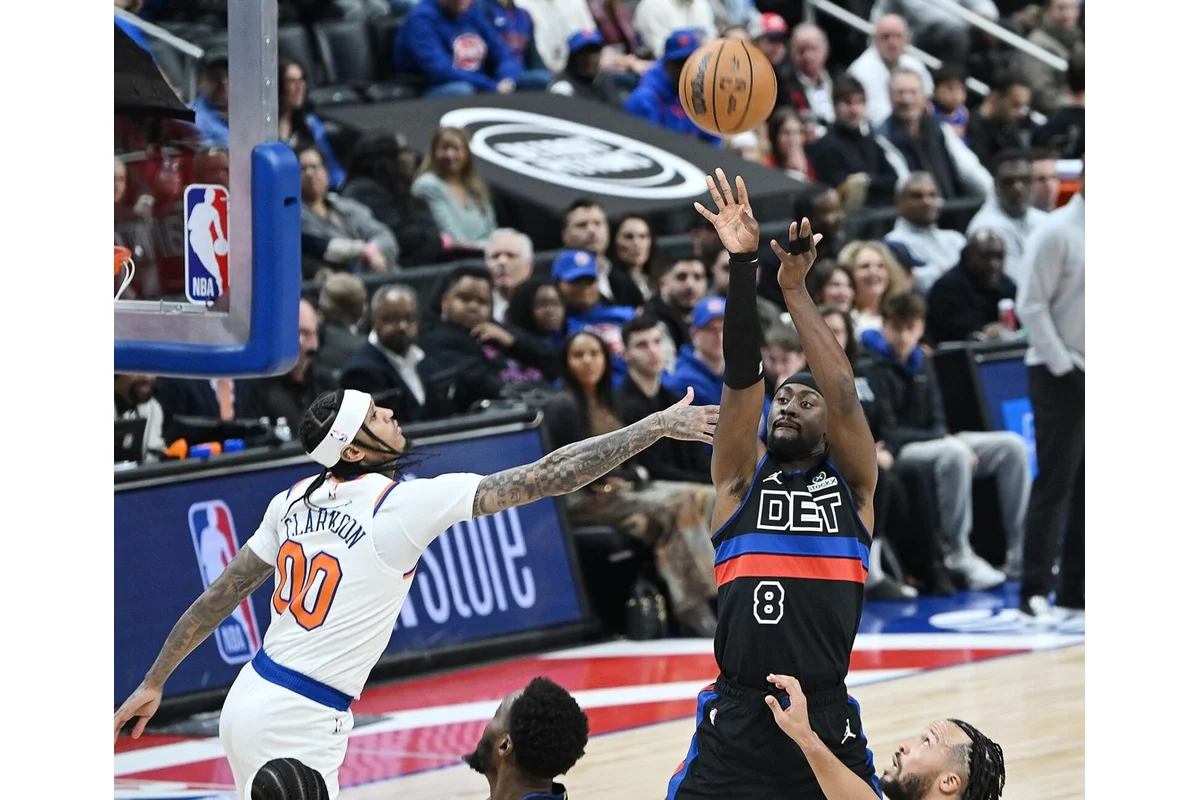
The Detroit Pistons maintained a low profile during the recent trade deadline, despite rumors linking them to high-profile players like Jaren Jackson Jr. of the Memphis Grizzlies. Ultimately, the Pistons abstained from any major deals, avoiding a costly commitment that could have compromised their future flexibility.
Jackson Jr. was traded instead to the Utah Jazz in a surprising move, as Utah was generally expected to sell assets rather than acquire significant contracts. This shift caught many analysts off guard, especially since the Jazz already have substantial salary commitments, including Lauri Markkanen’s contract.
The Price of Acquiring Jaren Jackson Jr. Was Too Steep
Though Detroit was rumored to be interested in Jackson Jr., reports suggest there were no serious negotiations with Memphis. The Pistons’ front office appeared cautious about taking on Jackson Jr.’s hefty contract and trade demands, which some experts viewed as an overvaluation.
The Bleacher Report highlighted this viewpoint, noting,
“While he’s a talented scorer, Jackson is one of the worst rebounders at his position (5.7 per game this year, 5.6 per game for his career) and is owed $205 million over the next four years. That’s roughly the same annual salary as players like Stephen Curry ($53 million), Luka Dončić ($53 million) and more than Anthony Edwards ($48.9 million). Jackson is a good player who’s become wildly overrated based off his latest contract and trade return.”
This assessment suggests that Jackson Jr.’s productivity may not justify the large financial investment, reinforcing the Pistons’ decision to stay on the sidelines.
Insights Into Utah’s Bold Trade Move
Utah’s acquisition of Jackson Jr. came at a high cost, including three valuable first-round draft picks and two young, recently drafted players like the #8 overall pick Taylor Hendricks. This significant outlay underscores how highly the Jazz value Jackson Jr., despite his injury record and less-than-stellar rebounding stats.
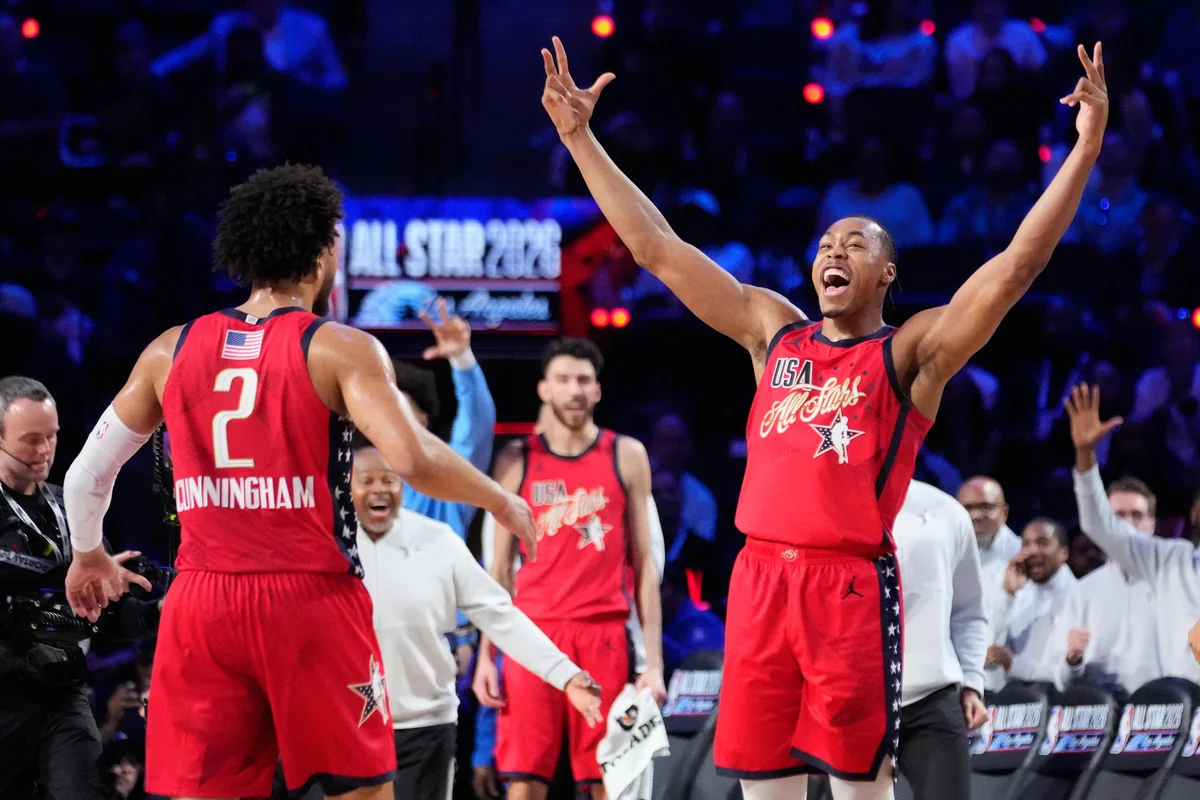
For Utah, locking in a player with such a big contract and a known history of injuries is a gamble that could reshape their roster dynamics. The Jazz now have nearly $100 million committed to Jackson Jr. and Markkanen, raising questions about their cap flexibility moving forward.
Why the Pistons Chose Caution Over Risk
The Detroit Pistons were not in a position to sacrifice future assets as Utah did, lacking extra draft picks or young talent they could afford to part with. General manager Trajan Langdon prioritized patience and avoided committing more than $90 million combined on Jaren Jackson Jr. and rising star Jalen Duren, instead focusing on sustainable growth rather than expensive gambles.
Considering Jackson Jr. has surpassed 65 games played in only three seasons, the Pistons wisely avoided a risky investment that many may view as too precarious for a rebuilding team still hunting for consistent success.
Langdon’s prudence in this instance highlights the significance of knowing when not to make a move, which can be as crucial as the trades a team does complete. The decision to pass on Jackson Jr. preserves the Pistons’ financial and strategic flexibility as they shape their future roster.
Implications for the Pistons’ Future
By steering clear of a high-cost and potentially problematic transaction, the Detroit Pistons have kept their options open as they continue to develop younger players and build team chemistry. Avoiding the Jackson Jr. trade prevents being locked into a contract that might hinder long-term growth, especially if the player faces injuries or performance issues.
This careful approach could benefit Detroit in the coming seasons, allowing them to make more calculated moves with a clearer vision rather than chasing quick fixes. While the Jazz took a notable risk in acquiring Jackson Jr., the Pistons’ restraint may prove to be the smarter strategy over time.
